When we moved to our property in 1998, we did not set out to create a wildlife habitat. We were simply trying to clean up a piece of land that had been used in very different ways for generations.
The property has been in Eric’s family since 1942. Like many rural properties of that era, old appliances, scrap metal, and worn-out equipment often ended up in the swamp or near wetlands, since that land wasn’t usable for farming. When we arrived, there were refrigerators, tractor tires, and plenty of evidence that people once viewed the land as a convenient place to discard things they no longer needed.
At the time, our goal was simple. We wanted to clean up the mess. It took years.
Some of the tractor tires cost $25-$50 each to dispose of, which was not a small expense when there were many scattered around the property. Old appliances had to be removed. Scrap metal was hauled away. Wet areas were cleaned up as best we could.
After the cleanup, we left nature alone.
The Land Started Changing on Its Own
Many people assume habitat restoration requires expensive projects, heavy equipment, and carefully engineered plans. Sometimes it does.
In our case, much of the recovery happened simply because the land was allowed to function naturally again.
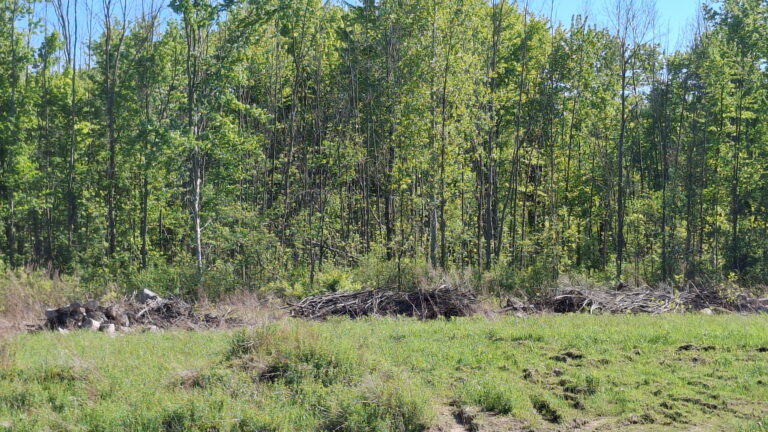
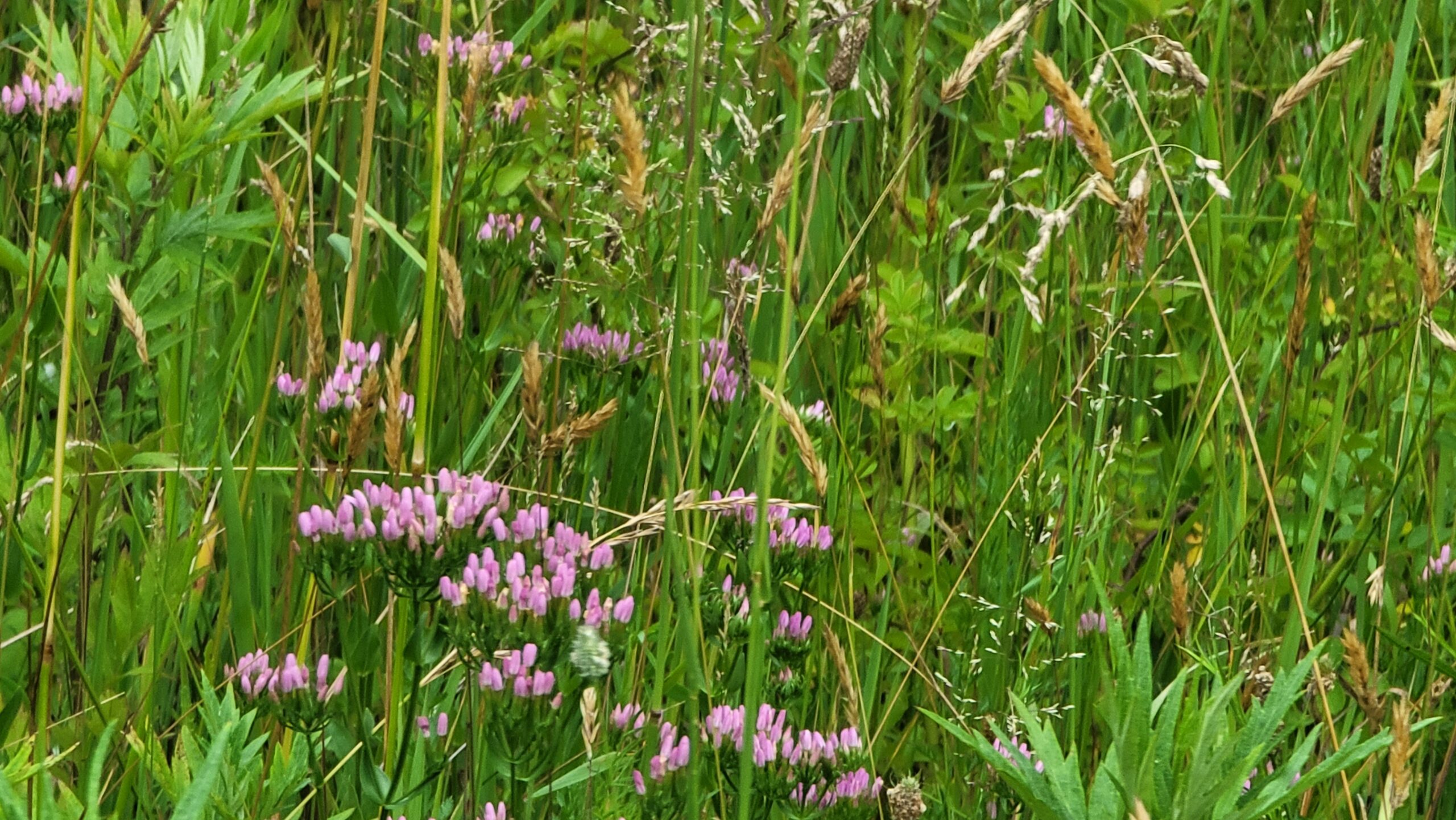
Fields that had once been mowed or disturbed began filling with native plants, wildflowers, blackberry thickets, and young trees. Wet areas remained wet. Brush piles were left in place. Fallen trees stayed where they landed unless they created a problem.
Instead of fighting every weed and every sapling, we stepped back and watched what happened. Nature got to work.
Wildlife Returned Faster Than We Expected
One of the biggest surprises was how quickly wildlife responded. Today, the property supports frogs, toads, turtles, bats, pollinators, waterfowl, songbirds, mammals and countless insects.
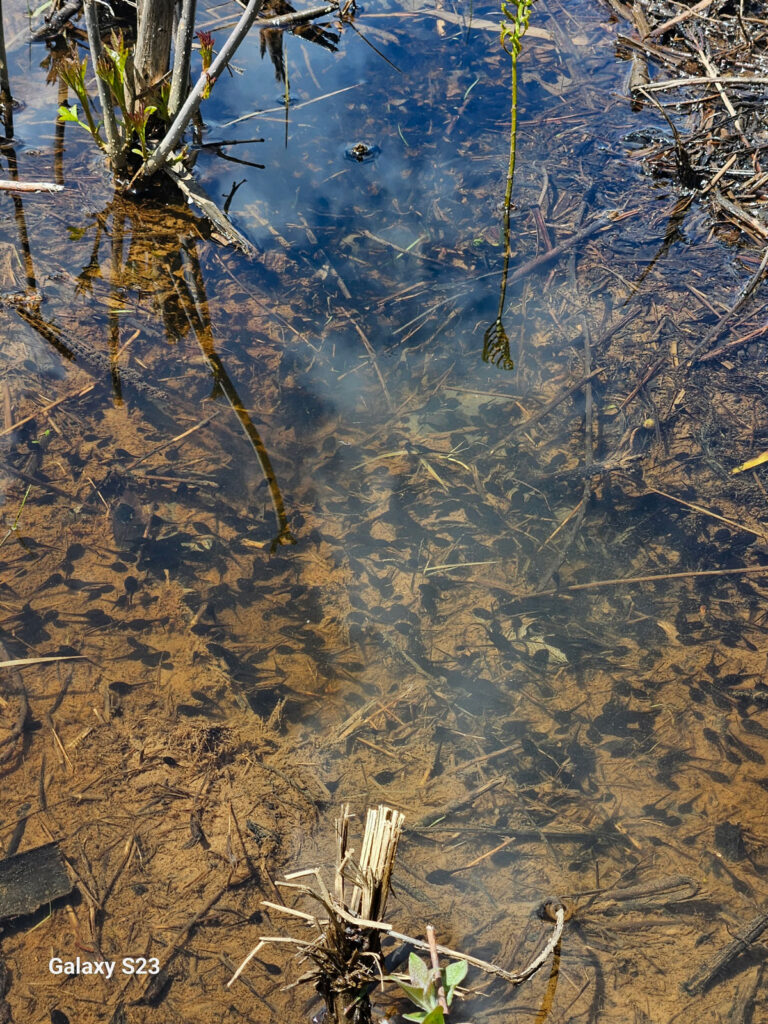
Every spring, thousands of tadpoles fill the pond. Great blue herons visit regularly to hunt. Painted turtles climb onto logs to sun themselves. We added features that benefit nature. A wood duck house or two in the swamp gave the wood ducks a place to nest, so they are regular visitors. Bluebird houses in the fields provide nesting places for bluebirds and other meadow birds.
Every 3-4 years, fields are bush-hogged in succession so that the wildflower fields don’t turn into forests, increasing habitat for pollinators. Their population has changed dramatically as well.
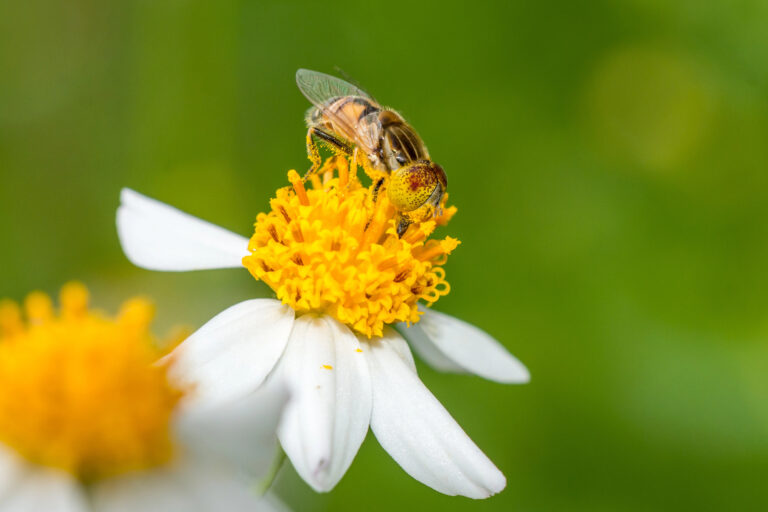
Native bees, butterflies, moths, and other beneficial insects now take advantage of the diverse mix of flowering plants that have established themselves over the years. Many of these species did not need us to create habitat for them. They simply needed us to stop removing it.
Not Every Area Recovered the Same Way
One lesson we learned is that every part of a property develops differently.
Some fields exploded with wildflowers and blackberry canes. Wetlands became richer and more diverse. Other areas remained stubbornly sparse despite years of leaving them alone.
Even today, there are sections of the property where trees struggle to establish themselves for reasons we still do not fully understand. Nature does not always do what you expect. Different soils, moisture levels, sunlight, and historical disturbances all influence what grows and what does not.
Small Changes Add Up
Looking back, the biggest improvements often came from small decisions. Leaving a brush pile. Allowing a fallen tree to decay naturally. Reducing mowing. Protecting wet areas. Planting a few native species. Giving wildlife places to hide, nest, and feed. None of those actions seemed particularly important on their own. Together, they transformed the property over time.
What Over 25 Years Taught Us
The most important lesson may be that healthy ecosystems are remarkably resilient. Given enough time and a little room to work, nature can recover in ways that are difficult to imagine when you first start.
The land we see today is very different from the one we purchased in 1998. There is still work to do. There always will be.
But every spring brings another reminder that habitat restoration does not always require doing more. Sometimes the most effective thing we can do is remove the obstacles and allow nature to heal itself. On our property, that process has been unfolding for more than 25 years and continues today.
Related Reading
🌿 Gear Up for a Bee-Friendly Garden
Contains affiliate links, for full disclosure, see FTC Disclosure, here.
Looking for tools that actually work?
We’ve pulled together our favorite picks for beekeeping, gardening, and pollinator-friendly seeds—everything you need to support bees and grow a thriving space.
Browse the full list on Amazon — all in one spot.