
Spring feels like a time of abundance. Lawns turn green, trees bud out, and warm days return. From a human perspective, everything looks alive again. For many pollinators, though, early spring is one of the hardest times of the year.
This period, often called the spring gap, is the stretch of time when pollinators emerge but reliable food sources are still scarce. It happens quietly and quickly, which makes it easy to miss.
What the Spring Gap Really Is
The spring gap is the window between when pollinators become active and when enough flowers are blooming to support them. In many regions, insects wake up in response to temperature and daylight, not to flower availability.
A few warm days can trigger emergence, even if flowering plants are still weeks away. When this happens, pollinators must search widely for limited nectar and pollen. If they cannot find enough food, survival and reproduction suffer.
This gap can last days or weeks, depending on weather patterns, local plant diversity, and land management.
Who Is Most Affected Early in Spring
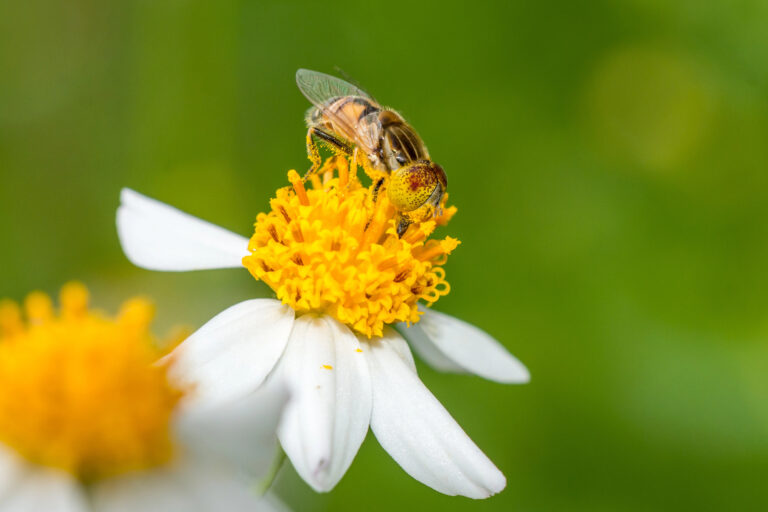
Early-emerging pollinators are often the most vulnerable during the spring gap. Mining bees, digger bees, and certain flies are among the first to appear. Many of these species have short active periods and limited energy reserves.
Unlike honey bees, most native pollinators do not have stored food. They rely entirely on what they can find in the landscape. If flowers are scarce when they emerge, they have few backup options.
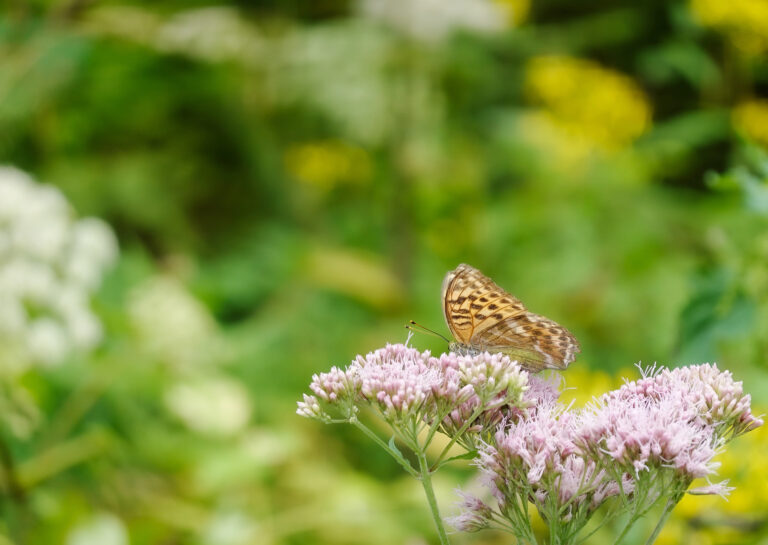
Butterflies and moths that overwinter as adults or emerge early can also struggle if nectar sources are limited.
Why Early Spring Looks Deceptively Healthy
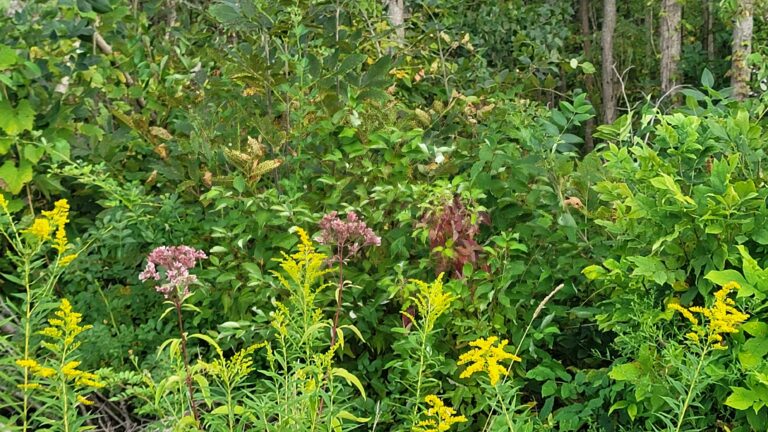
One reason the spring gap goes unnoticed is that landscapes look green and full of promise. Grass grows quickly, trees leaf out, and ornamental plants begin to come to life.
Green does not equal food. Many early spring landscapes are dominated by lawns and non-flowering plants. Even trees that leaf out early may not provide nectar or pollen.
In highly managed areas, early flowers are often removed. Fallen leaves are cleared, stems are cut back, and early-blooming plants are considered messy or undesirable. This reduces the already limited food available during the spring gap.

How Weather Makes the Spring Gap Worse
Unpredictable spring weather has made the spring gap more challenging in recent years. Warm spells followed by cold snaps can trigger early emergence, only to delay flowering.
Late frosts can damage buds and wipe out early blooms entirely. When that happens, pollinators lose critical food sources just when they need them most.
These mismatches between insect activity and plant bloom timing can weaken pollinator populations over time, even if conditions improve later in the season.
Why the Spring Gap Matters Long Term
Early spring is not just about survival. It sets the tone for the entire season. Pollinators that struggle early may produce fewer offspring or be less effective later in the year.
For species with short life cycles, a poor start can lead to population declines that persist through summer and fall. Plants that depend on early pollination may also suffer reduced seed set.
The effects of the spring gap ripple outward, influencing food webs and plant communities well beyond a few weeks in early spring.
What Helps Close the Spring Gap
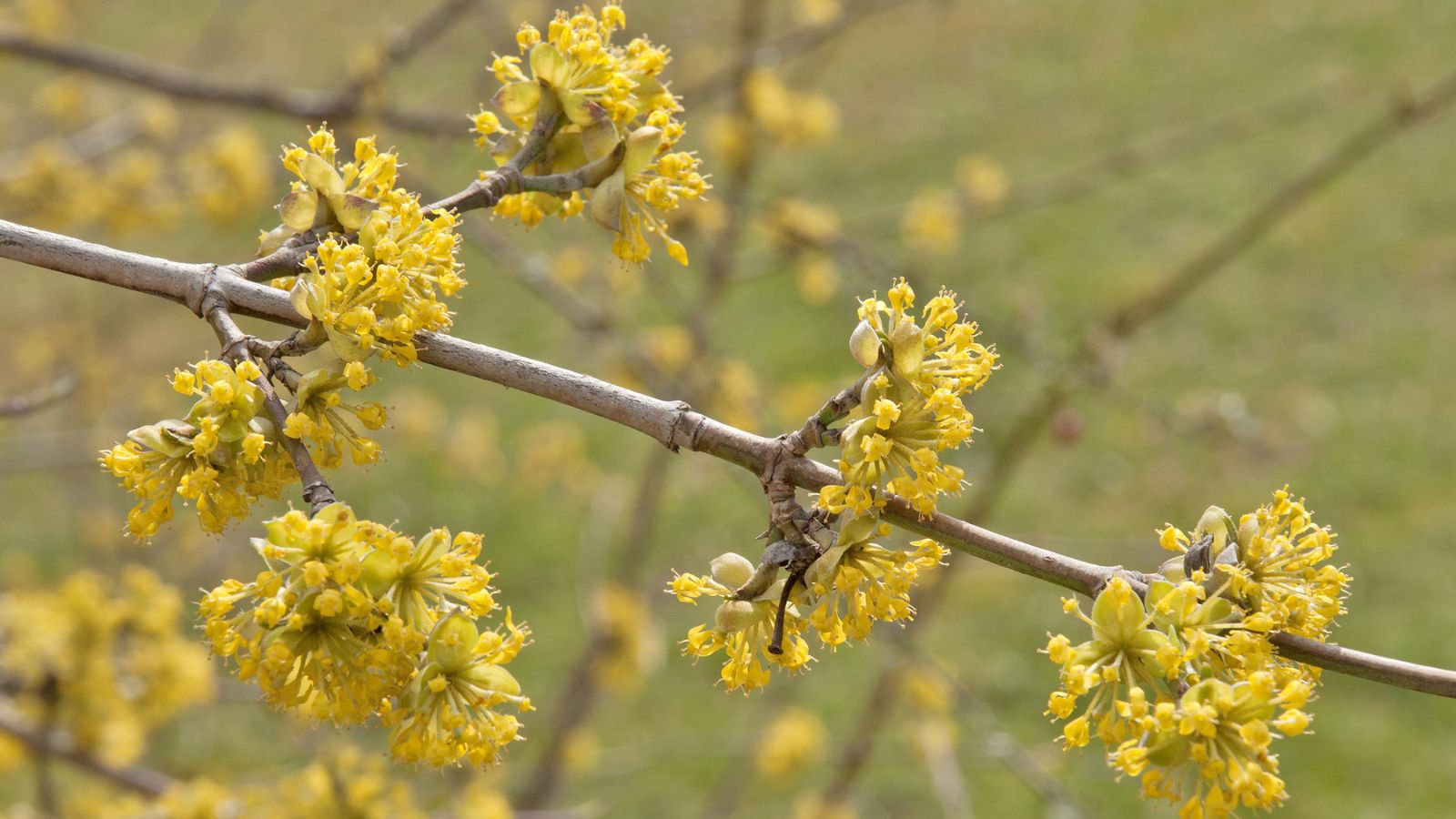
Landscapes that support early flowering plants make a measurable difference. Native trees, shrubs, and wildflowers that bloom early provide essential resources when little else is available.
Leaving leaf litter and plant stems in place supports insects emerging nearby, reducing the distance they must travel to find food. Allowing early flowers to bloom fully, even if they look untidy, helps bridge the gap.
Diverse plantings spread bloom times across weeks instead of concentrating them into a single burst. This creates a steadier food supply as the season unfolds.
Learning to Notice the Quiet Season
The spring gap is easy to overlook because it happens before most people start paying attention to pollinators. By the time gardens are buzzing, the most difficult weeks have already passed.
Noticing what blooms first, who shows up early, and what food is available can change how we see spring. Early life depends on small windows of opportunity.
Closing the spring gap does not require major changes. It starts with understanding that early spring is not just the beginning of the season. For pollinators, it is one of the most critical moments of the year.
Interested in more information on ecology and pollinators? See our article Why Bee Swarms Happen and Why They Are Not an Emergency.
🌿 Gear Up for a Bee-Friendly Garden
Contains affiliate links, for full disclosure, see FTC Disclosure, here.
Looking for tools that actually work?
We’ve pulled together our favorite picks for beekeeping, gardening, and pollinator-friendly seeds—everything you need to support bees and grow a thriving space.
Browse the full list on Amazon — all in one spot.