

When the Giants Start to Fail
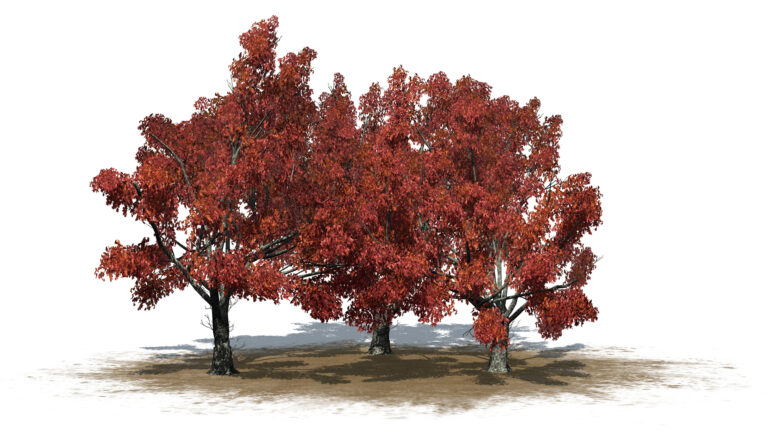
Some of the largest living things on Earth are starting to fail. We are seeing it happen in real time with oak trees. Diseases like oak wilt can take down entire stands faster than most people expect, leaving behind gaps that change the entire feel of a forest.
But that is only part of the story.
While large trees struggle, something much smaller is still doing its job beneath our feet. It is easy to miss because it neither rises above the ground nor demands attention. Moss tends to grow quietly in the background, often in places where people assume nothing useful can grow.
The World Beneath the Canopy
Most people think about ecosystems from the top down. They picture trees, canopies, and shade. In reality, a lot of the work happens much lower. Moss may not look like much, but it plays a role that supports everything above it.
At the Bloedel Reserve in Washington State, they chose to work with the lower layers rather than fight them. Rather than forcing a lawn into a damp, shaded space, they built one of the largest public moss gardens in the country. The result is a landscape that thrives in conditions where grass would struggle and fail.
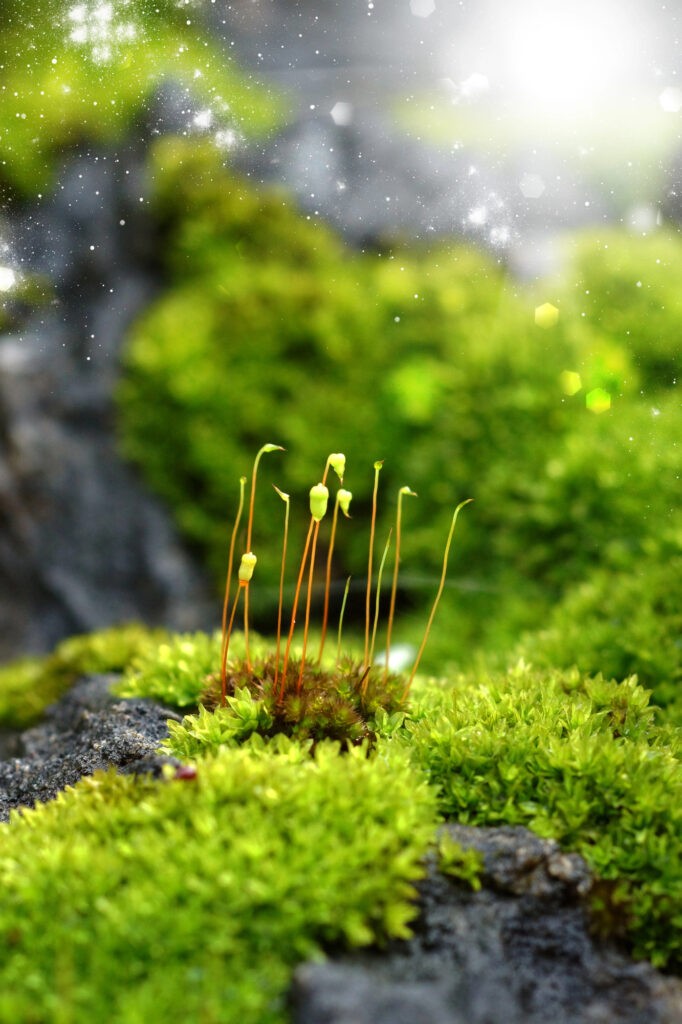
Moss is its own living ecosystem. That soft green layer holds moisture like a sponge and creates a stable environment for microscopic life. Bacteria, fungi, and tiny invertebrates live and move through it, breaking down organic matter and helping nutrients stay available in the soil. It may look simple, but it supports a small world that feeds into the larger one.
Moss works differently from most plants people are used to. It does not rely on roots in the same way. Instead, it absorbs water and nutrients across its entire surface. It can dry out completely during a dry stretch, then come back to life once moisture returns. That ability alone makes it one of the more resilient forms of plant life.
Small Systems That Keep Everything Running
The impact goes further than survival. Moss-covered soils are tied to billions of tons of carbon storage worldwide. Even though it stays close to the ground, moss helps pull carbon from the air and store it in the soil. It also helps stabilize loose ground, retain moisture, and support the tiny organisms that cycle nutrients.
This creates an interesting contrast. Trees like oaks build the visible structure of an ecosystem. They provide height, shade, and habitat. When they are lost, the change is immediate and obvious. Light shifts, temperatures change, and the area’s balance can feel off almost overnight.
Moss operates on a different level. It supports the system in quieter ways and helps maintain soil health and moisture, even when larger plants are under stress. It does not replace what is lost when trees die, but it shows that ecosystems are layered and not dependent on a single plant type.
That is really what biodiversity looks like. Different forms of life handle different roles at different scales. When one layer struggles, others continue to function. The system adapts, even if it does not fully recover.
Why This Matters in Your Own Yard
This idea also applies closer to home. Many people try to force their yard into a specific look, usually centered around grass. When areas are too shady or too wet, they are treated like problems that need to be fixed. In reality, those conditions often point to what should be growing there in the first place.
The moss garden at Bloedel is a simple example of what happens when you stop working against the landscape. Instead of fighting those conditions, they allowed a different kind of plant life to take over. The result is not just visually interesting. It is functional and stable.
What Happens When Trees Disappear
The loss of large trees like oaks is still a serious concern. It signals stress in systems that have taken decades to build. When those trees disappear, the effects do not stop at the canopy.
Light increases, temperatures shift, and the ground begins to dry out. Those changes reach all the way down to the forest floor, where moss and other low-growing plants depend on stable moisture and shade.
Moss is often seen as tough, and in some ways, it is. It can survive short dry periods and recover quickly when moisture returns. But that resilience has limits. When conditions change too much or too often, moss can decline along with everything else.
This is where the idea of biodiversity becomes clearer. These are not separate layers that step in for each other. They are connected parts of the same system.
Trees help create the conditions that moss needs. Moss helps protect the soil that trees depend on. When one part is disrupted, the effects move through the entire system.
From towering trees to ground-level plants, every layer matters. The biggest changes are often the easiest to see, but they are rarely isolated. What happens above ground is tied closely to what happens below it.
For more information on the threat to oaks, see our article Oak Wilt: What Will the Long-term Effects Be?
🌿 Gear Up for a Bee-Friendly Garden
Contains affiliate links, for full disclosure, see FTC Disclosure, here.
Looking for tools that actually work?
We’ve pulled together our favorite picks for beekeeping, gardening, and pollinator-friendly seeds—everything you need to support bees and grow a thriving space.
Browse the full list on Amazon — all in one spot.