

Wondering what to plant in May? Now’s the time to add color, nectar, and pollen to your garden. These pollinator-friendly picks thrive in Northeast spring weather and help support bees, butterflies, and more.
May is when the garden begins to come alive. As more pollinators emerge, it’s crucial to have a fresh wave of flowers ready to feed them. These 12 plants bloom during May and provide reliable food for bees, butterflies, and other beneficial insects.
Serviceberry (Amelanchier spp.)

Also known as Juneberry, this native shrub or small tree produces white flowers that attract a wide variety of pollinators.
Amelanchier spp. I earn a commission if you buy through these affiliate links, at no extra cost to you.
Golden Alexanders (Zizia aurea)

This native perennial blooms in May with bright yellow flowers that support early butterflies and native bees.
Zizia aurea.
Wild Geranium (Geranium maculatum)

A long-blooming native with soft purple flowers, wild geranium is popular with bumble bees and hoverflies.
Geranium maculatum.
Ninebark (Physocarpus opulifolius)

Clusters of small white or pink flowers bloom in late May. Ninebark supports many species of native bees and flies.
Physocarpus opulifolius.
Creeping Phlox (Phlox subulata)

This low-growing groundcover is a nectar-rich option for bees and early butterflies, especially in rock gardens or sunny borders.
Phlox subulata.
Ohio Spiderwort (Tradescantia ohiensis)

This native perennial opens new blooms each morning in May and supports a range of pollinators with its open flowers.
Tradescantia ohiensis.
Wild Lupine (Lupinus perennis)

This beautiful spiky flower supports both native bees and the endangered Karner blue butterfly.
Lupinus perennis.
Penstemon (Penstemon digitalis)

Also known as beardtongue, this native blooms in late May and feeds long-tongued bees and hummingbirds.
Penstemon spp.
Siberian Bugloss (Brunnera macrophylla)

Brunnera macrophylla is a low-growing perennial with tiny, sky-blue flowers that bloom in early May. The blooms closely resemble forget-me-nots and are especially attractive to small native bees. It thrives in shady garden spots and adds long-lasting interest with its large, heart-shaped leaves. A great choice for pollinator gardens with limited sun.
Brunnera macropylla
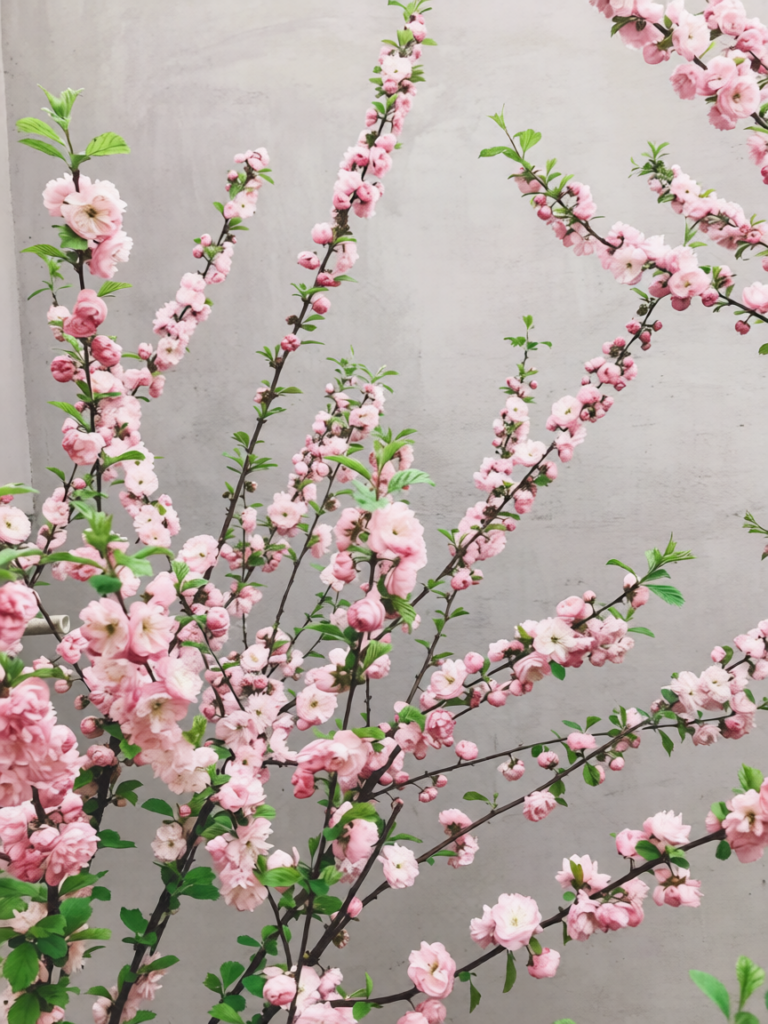
Cherry (Prunus spp.)

This small trees produce flower spikes in May that support bees, beetles, and early butterflies. They also give us delicious cherries to eat later in the season.
Prunus sp.
Viburnum (Viburnum spp.)

These adaptable shrubs bloom in mid to late May and provide pollen and nectar for many native bees. There are many species of this genus, all of which attract pollinators.
Viburnum opulus.
Jacob’s Ladder (Polemonium reptans)

This shade-loving native wildflower blooms in early to mid-May and offers nectar to bees in woodland or partially shaded areas.
affiliate link
Looking for ideas on what flowers to add this season? Our bee seeds and plants list offers great options for every season.
Contains affiliate links, for full disclosure, see FTC Disclosure, here.
🌿 Gear Up for a Bee-Friendly Garden
Contains affiliate links, for full disclosure, see FTC Disclosure, here.
Looking for tools that actually work?
We’ve pulled together our favorite picks for beekeeping, gardening, and pollinator-friendly seeds—everything you need to support bees and grow a thriving space.
Browse the full list on Amazon — all in one spot.