
Trending on Bees Haven
A Rare Win Story for Monarch Butterflies

What Makes Spring Peepers So Loud at Night

15 Celebrity Beekeepers You Didn’t Expect

Start Your Bee-Friendly Journey


Continue Your Bee Journey


Everything You Need to Support Pollinators


Recent Articles
-
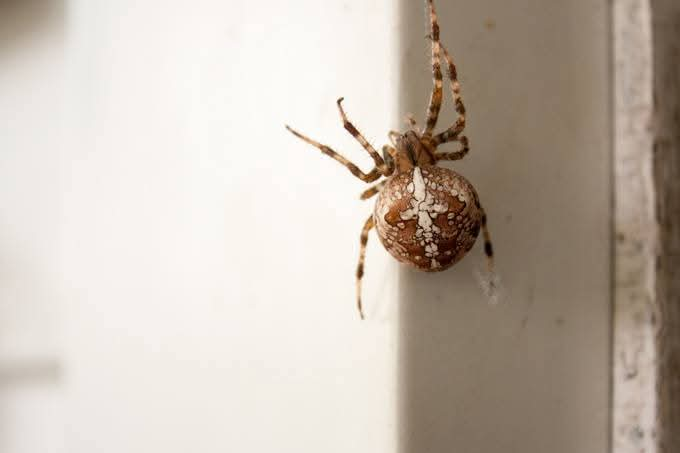
Why Orb Weaver Spiders Show Up Everywhere in Fall
Orb weaver spiders become a familiar sight in late summer and fall, stretching their round webs between garden plants, porch posts, and tree branches. Many have spent months growing nearby, but their larger bodies and webs make them much harder to miss as the season winds down, especially when one takes up residence beside a…
-
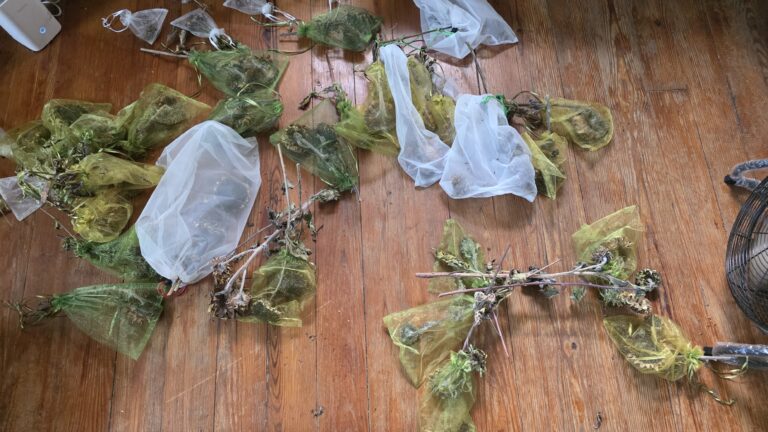
How to Harvest and Save Sunflower Seeds for Next Spring
Growing sunflowers is easy enough, but getting to their seeds before the birds do is another matter. Goldfinches and other hungry visitors aren’t particularly concerned about saving anything for next year’s garden. Once those flower heads start maturing, the birds seem to know exactly when dinner is ready. At Bees Haven, we grow sunflowers in…
-
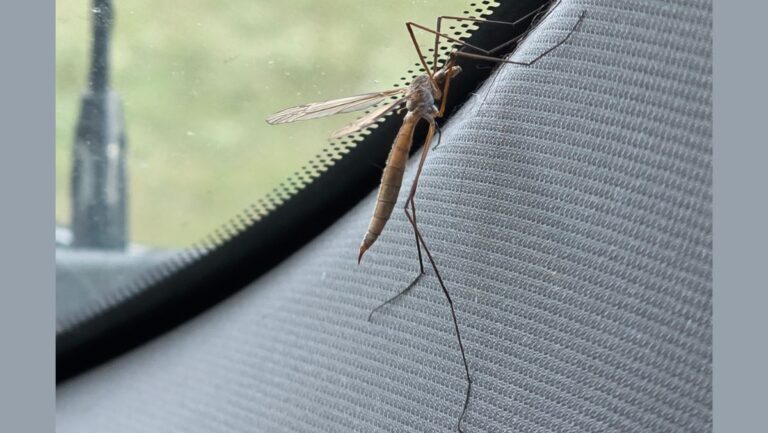
Why Are There So Many Crane Flies in Fall?
Every fall, these strange, long-legged insects start appearing in lawns, gardens, and sometimes inside the house. They look like giant mosquitoes, but their clumsy flying makes them even more noticeable. Watching one bounce around a window can be pretty entertaining, especially when it seems to have no idea where it’s going. They’re crane flies, and…
-
How Invasive Phragmites Takes Over Wetlands
A wetland can change dramatically once an aggressive plant takes hold. What starts as a small patch of grass along the edge of a swamp can eventually spread across acres, crowding out the native plants that once grew there. Invasive phragmites is particularly good at this, and removing it once it has taken over is…
-
Goldenrod vs. Ragweed: Which One Is Really Causing Fall Allergies?
Every fall, fields and roadsides turn bright yellow as goldenrod reaches its peak bloom. Unfortunately, this beautiful native wildflower gets blamed for the sneezing, itchy eyes, and runny noses that arrive around the same time. But goldenrod isn’t the plant responsible for most fall pollen allergies. Ragweed is usually the real culprit, and people have…
-
Asters are an Abundant Late-Season Source of Food for Pollinators
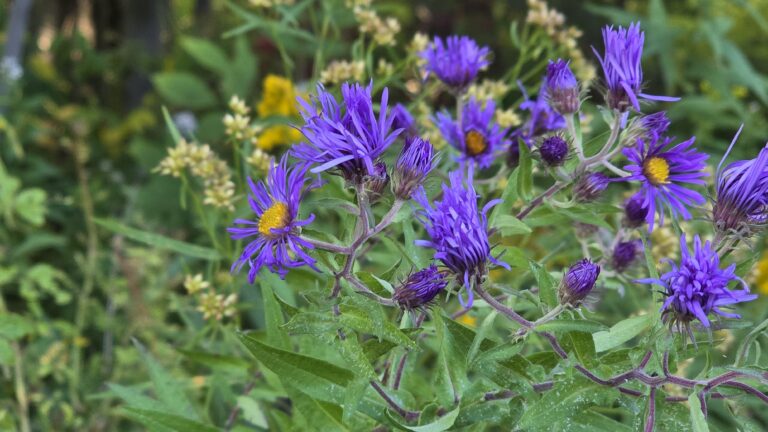
Asters, in the genus Symphyotrichum spp., formerly classified as Aster spp., are late-season flowering plants that provide an important source of food for bees, butterflies, and birds. Most are perennials, although there are also annual and biennial species. Their daisy-like flowers range from purple and blue to pink and white. Depending on the species, asters…

Get simple, seasonal tips to help bees, grow native plants,
and create a pollinator-friendly space—no expertise required.
Never Miss a Bee-Friendly Tip in Your Inbox
No spam. Just helpful seasonal tips.