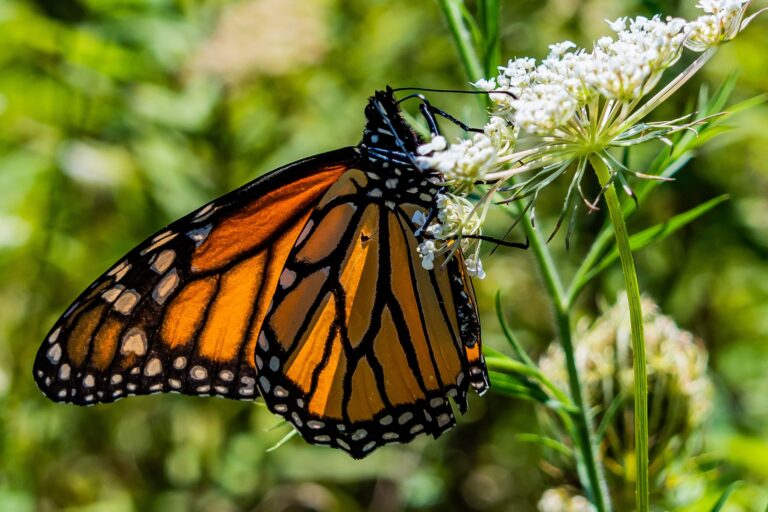
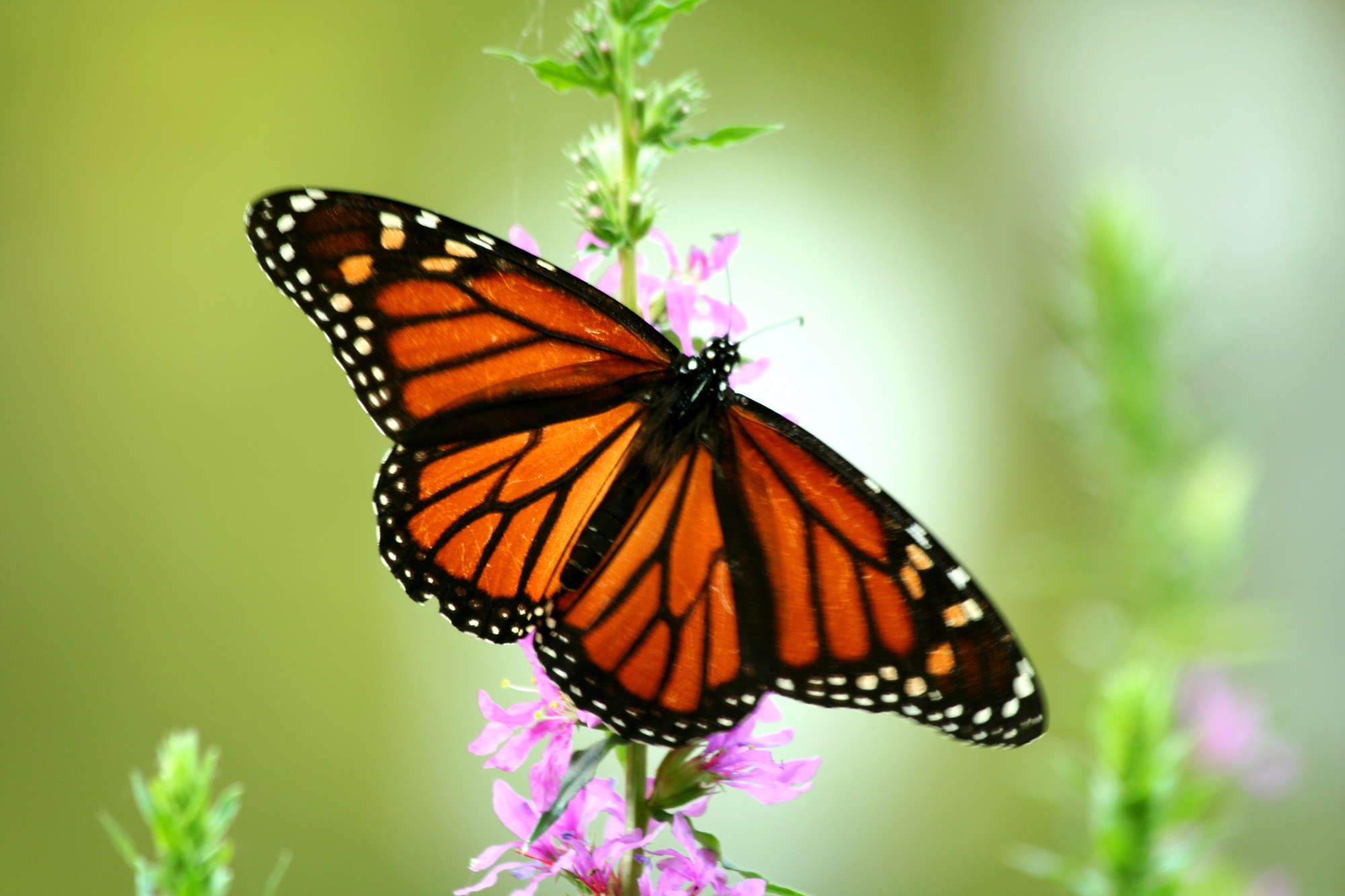

Most people drive past it without thinking. Just grass, weeds, and a blur of green along the shoulder. But in many states, those strips of land are quietly turning into one of the biggest lifelines for monarch butterflies.
And it’s happening on purpose.
Why Roadsides Matter More Than You Think
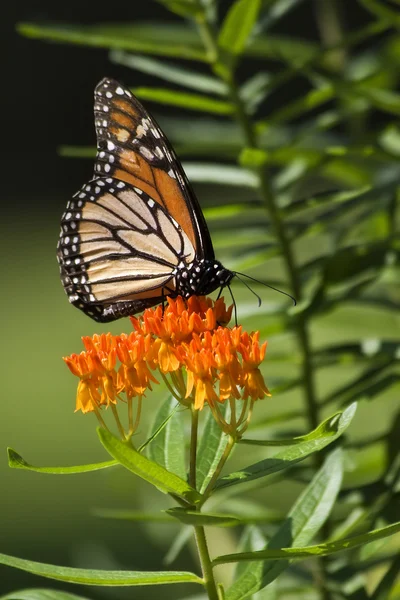
Monarchs need milkweed to survive. It is the only plant where they lay eggs, and the only food their caterpillars can eat. That plant used to be everywhere. Over time, farming practices, development, and regular mowing wiped out huge amounts of it. That left monarchs with fewer places to reproduce.
Roadsides are one of the last large, connected spaces left. They stretch for miles. They link regions together. And unlike private land, states can manage them at scale.
What States Are Actually Doing
Departments of transportation are starting to change how they manage roadside land. Instead of mowing everything short all season, many are cutting less often. Some only mow once or twice a year. That gives milkweed and native wildflowers time to grow, bloom, and go to seed.
Some states are also planting native species directly into roadside corridors. That includes milkweed, asters, goldenrod, and other late-season flowers monarchs rely on during migration. It turns what used to be a dead strip into a working habitat.
The Timing Is Everything
One of the biggest changes is when mowing happens. If mowing happens too early, it wipes out milkweed before monarchs can use it. If it happens too late, it can destroy eggs and caterpillars.
So many programs now aim to mow late in the season, after the main breeding window. It sounds simple, but that timing shift can make a huge difference.
A Connected Highway for Migration
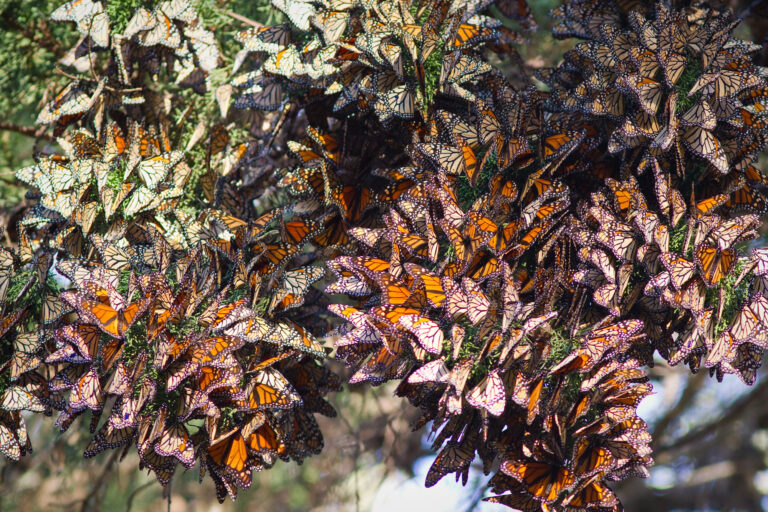
Monarchs travel thousands of miles each year. They need places to stop, feed, and rest along the way. Roadside habitats can act like stepping stones across the landscape.
Instead of isolated patches, they create a connected path. That kind of connectivity is one of the biggest missing pieces in conservation.
It’s Not Perfect
There are trade-offs. Traffic can kill butterflies. Pollution and salt can affect plants. And not every roadside can be managed the same way due to safety concerns.
But even with those limits, these areas still offer more help than they used to. And in many places, it is already making a difference.
What This Means Going Forward
This is not a full solution on its own. Monarch populations still depend on habitat across farms, backyards, and wild spaces.
But roadside programs show something important. Small changes, applied over large areas, can add up fast. And sometimes the places we overlook the most end up doing the most work.
With the loss of natural habitat, these programs could be a huge win for Monarchs, bees, and more.
🌿 Gear Up for a Bee-Friendly Garden
Contains affiliate links, for full disclosure, see FTC Disclosure, here.
Looking for tools that actually work?
We’ve pulled together our favorite picks for beekeeping, gardening, and pollinator-friendly seeds—everything you need to support bees and grow a thriving space.
Browse the full list on Amazon — all in one spot.