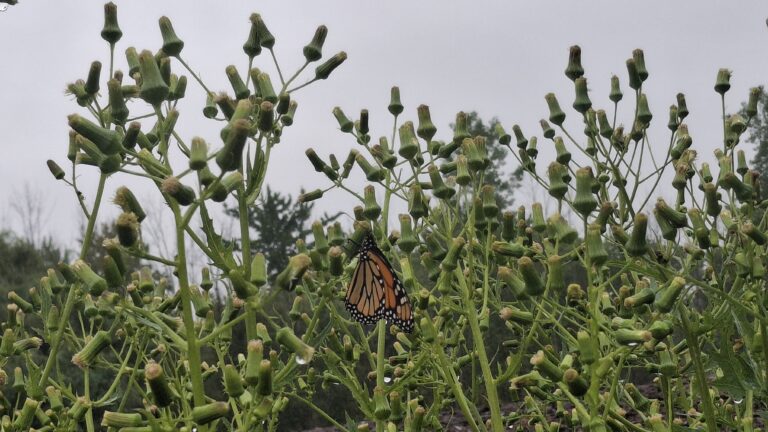
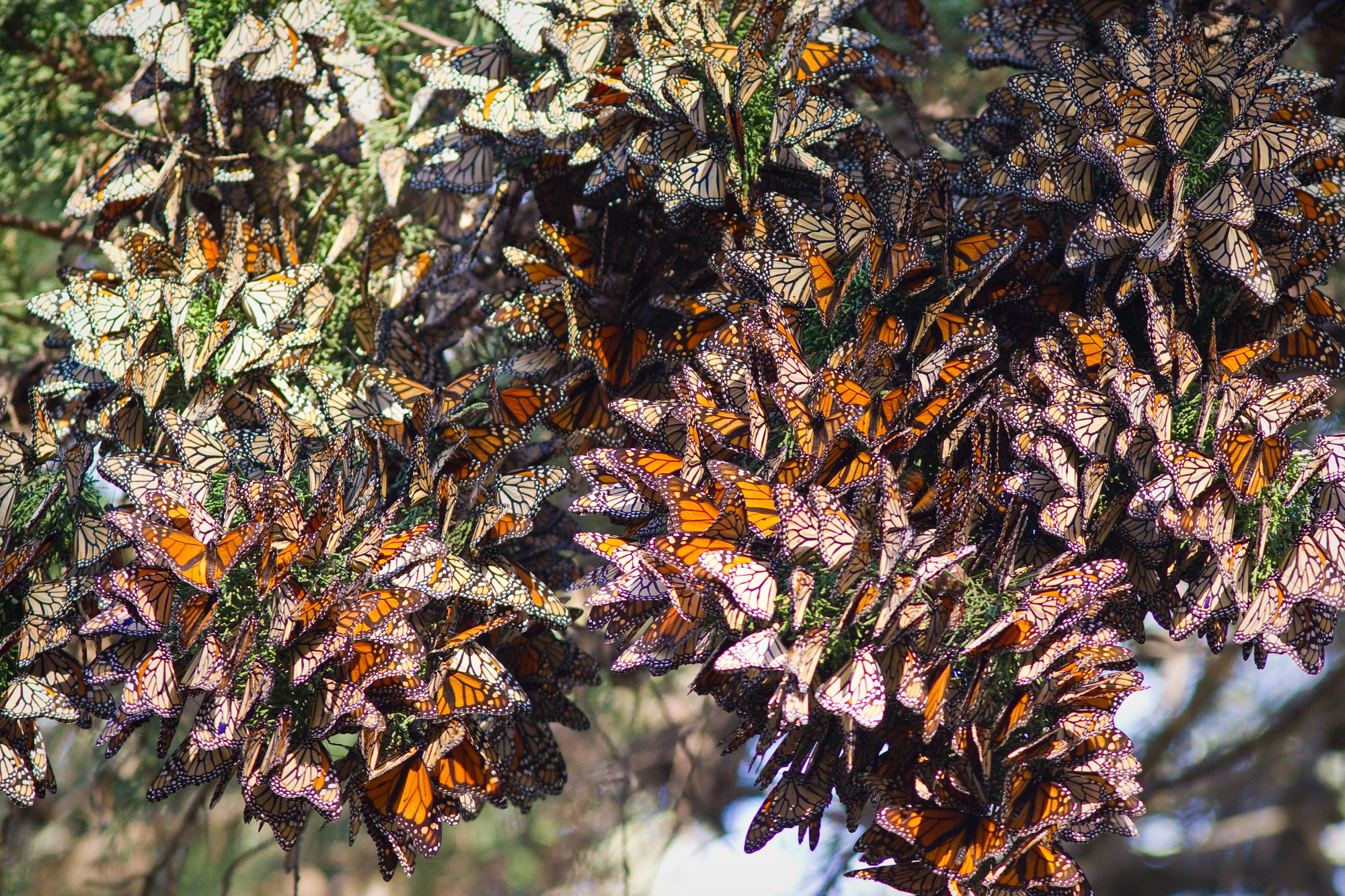

Something unexpected just happened with monarch butterflies, and it has people paying attention. After years of steady decline, the latest winter count in Mexico showed a sharp jump that no one saw coming. It is not a full recovery yet, but it is a real sign that the story is not over.
What Just Happened
This winter, monarchs covered much more forest in their Mexico overwintering sites than last year. The population increased by about 64 percent, one of the biggest jumps in recent years.
Scientists measure monarch populations by the area of forest they cover. This year’s numbers show a clear increase, not just a small bump. According to the World Wildlife Fund, 7.24 acres of forest were occupied by overwintering monarchs, compared to 4.42 acres last year.
Why This Matters
Monarchs have been struggling for decades. Habitat loss, fewer milkweed plants, and changing weather patterns have all taken a toll.
This kind of jump shows that when conditions improve, monarchs can respond quickly. It gives conservation efforts something they have not had in a while. Real forward movement.
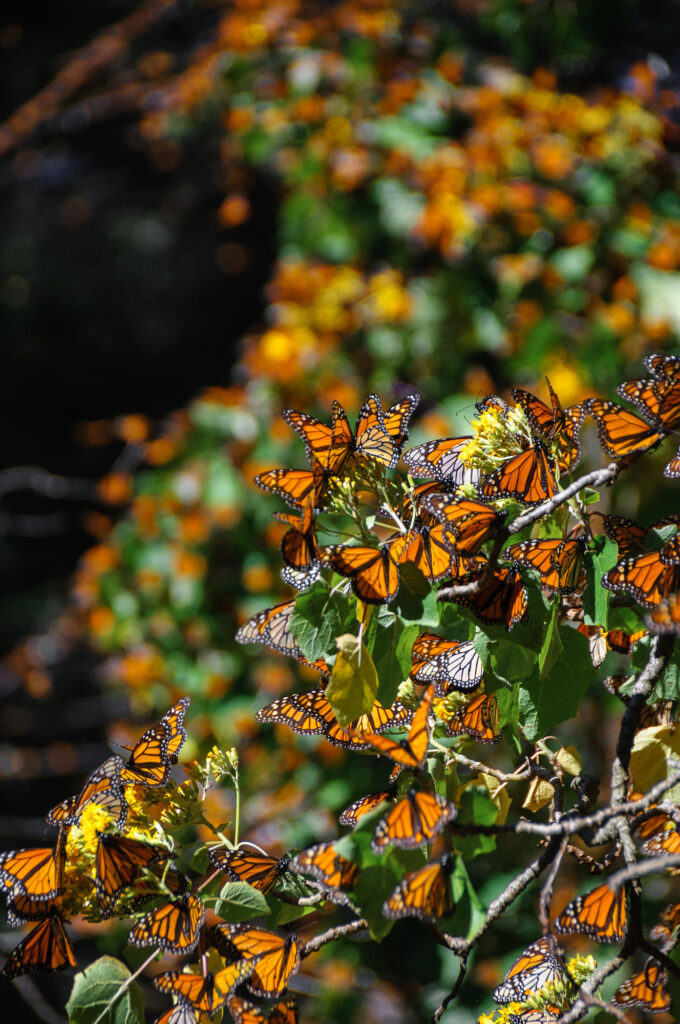
A few things likely helped this year. Weather conditions were more favorable during migration and breeding. Overwintering forests in Mexico continued to receive protection. Conservation work across North America is slowly adding up.
None of these fixed the problem on their own, but together they made a difference.
The Reality Check
Even with this increase, monarch numbers are still far below historic levels. 30 years ago, the monarch population covered 45 acres. The scientific consensus is that 15 acres of overwintering area would be a more stable population.
This is not a full recovery, but it is a step in the right direction.
Monarchs still depend on healthy habitat across a huge migration route. That includes the right plants in the right places at the right time.
What This Means for Your Yard
This is where small changes matter more than people think.
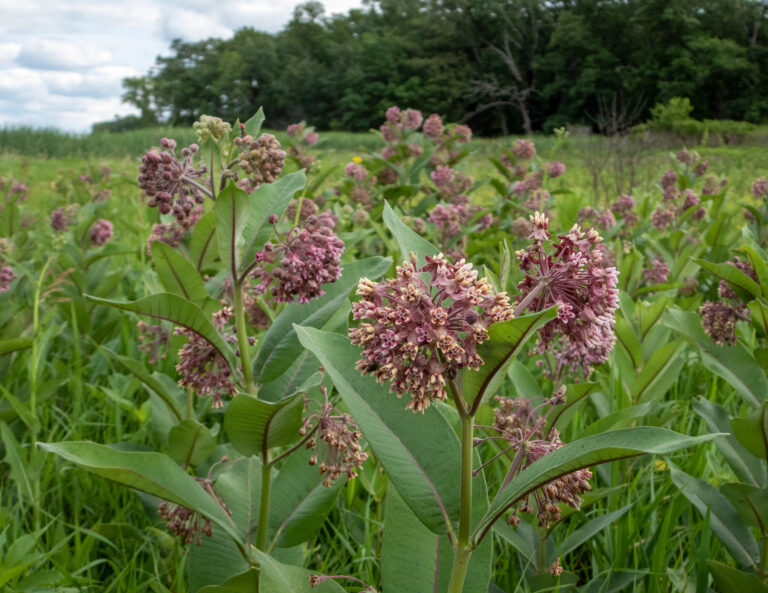
Monarchs need milkweed to reproduce. Without it, there are no caterpillars.
They also need nectar plants throughout the entire growing season.
Avoiding pesticides helps protect both caterpillars and adult butterflies.
Even a small space can support them if it has the right plants.
Why This Story Matters
Most ecological news focuses on decline and loss. This update shows something else. When habitat improves, even a struggling species can respond.
That makes this more than just a number. It is proof that the work being done across backyards, farms, and wild spaces can actually move the needle.
How You Can Help Monarchs Right Now
This comeback did not happen by accident. It happened because small actions added up across many places.
That means what happens in your yard still matters.
Plant milkweed that is native to your region. Monarchs will not lay eggs without it. Even a few plants can support multiple caterpillars.
Add flowers that bloom across the whole season. Monarchs need food during migration, not just in summer. Early and late blooms can make a real difference.
Leave some areas a little wild. Perfectly cleaned-up yards remove shelter that insects rely on.
Skip pesticides. Even small amounts can harm caterpillars, and the insects monarchs depend on.
Think bigger if you have the space. Field edges, unused corners, and natural areas can become habitat instead of empty ground.
Why This Still Needs Attention
A good year can be followed by a bad one.
That is why scientists focus on that 15-acre benchmark. It gives monarchs a cushion against storms, drought, and other setbacks.
Right now, they are still below that line.
This increase shows what is possible. It does not mean the problem is solved.
The Takeaway
This is one of those rare moments where the story bends in the right direction.
Monarchs are not gone. They are responding.
And that means the choices people make in gardens, fields, and open spaces are not wasted effort. They are part of what pushed this rebound in the first place.
For more information on Monarch butterflies, see our article Where Butterflies Go in Fall.
🌿 Gear Up for a Bee-Friendly Garden
Contains affiliate links, for full disclosure, see FTC Disclosure, here.
Looking for tools that actually work?
We’ve pulled together our favorite picks for beekeeping, gardening, and pollinator-friendly seeds—everything you need to support bees and grow a thriving space.
Browse the full list on Amazon — all in one spot.