

As days shorten and flowers fade, bees and butterflies seem to vanish almost overnight. But they do not simply disappear. Some set off on long journeys, while others find shelter close to home. Their survival depends on how each species handles cold, and on the choices gardeners make as fall settles in. In this article, we’ll discuss the various places butterflies go in the fall.
The Great Migration
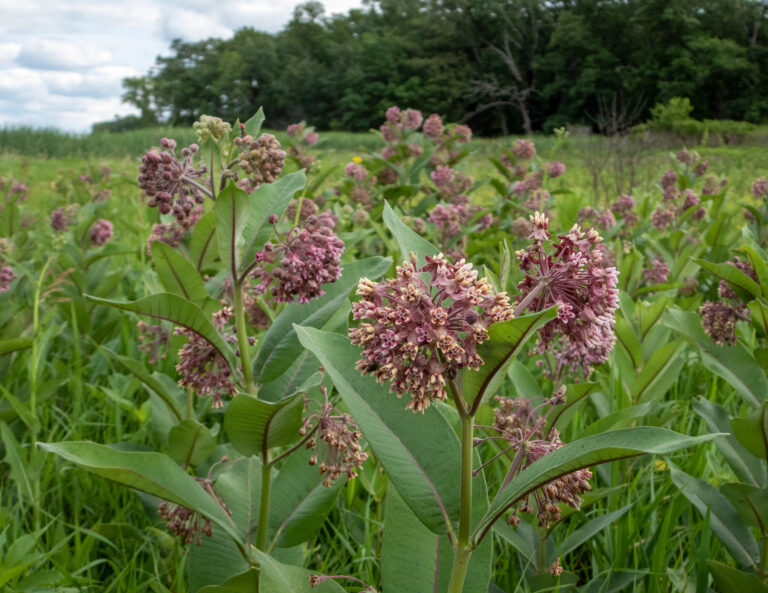
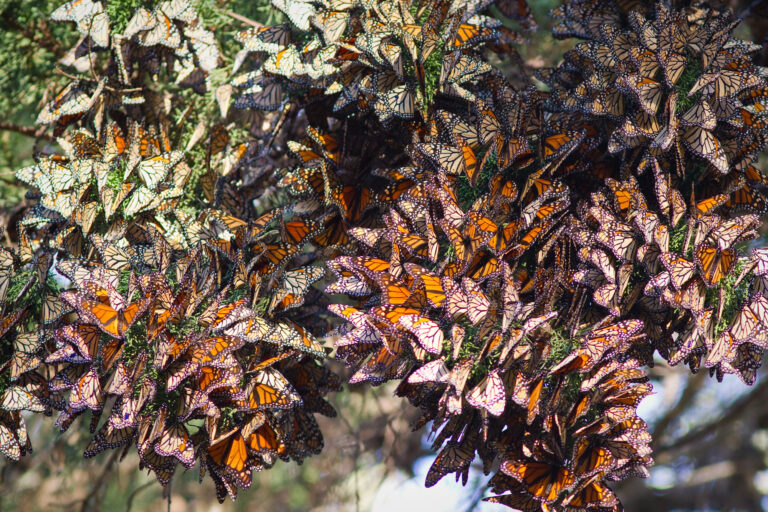
The monarch butterfly is the best-known traveler of all. Each fall, the eastern population flies thousands of miles to mountain forests in central Mexico. Those born late in the season live longer than their summer relatives, allowing them to make the trip south and survive the winter there. When spring arrives, their descendants begin the journey north again, following blooming milkweed across the continent.
It takes several generations of monarchs to complete the full migration each year. The butterflies that leave Mexico in spring lay eggs in the southern United States, then die soon after. Their offspring continue northward, laying the next generation as they move. By the time monarchs reach the northern United States and Canada, they are the great-grandchildren of those that began the trip. The final generation of the season is different. These “super monarchs” delay reproduction, store extra fat, and fly all the way back to Mexico, restarting the cycle the following year.

Monarchs navigate by reading the sun’s position in the sky and sensing Earth’s magnetic field. Along the way, they depend on late-blooming nectar plants such as asters, goldenrod, and joe-pye weed. Without these fuel stops, even strong wings would not get them far.
Other butterflies migrate too, though not as far. Painted ladies travel in large numbers across much of North America, red admirals move between the United States and Canada, and clouded sulphurs may shift only a few hundred miles south. Each species times its flight around temperature changes and the last flush of nectar.
The Ones That Stay Behind
Many butterflies spend winter right where they were born. Instead of flying south, they enter a kind of pause until warm weather returns. Each species has its own survival plan.
Mourning Cloak and Question Mark butterflies overwinter as adults. They tuck themselves into tree bark, woodpiles, or even inside sheds. Their bodies contain a natural antifreeze that keeps them alive until the first warm days of spring.
Great spangled fritillaries and other species spend winter as tiny caterpillars hidden under leaf litter, ready to feed again when violets sprout. Swallowtails and cabbage whites survive as chrysalises attached to twigs or stems, blending perfectly with their surroundings. Some species even overwinter as eggs laid on the exact plants their young will eat once they hatch.
Leaving a bit of mess in the garden makes this possible. Fallen leaves, uncut stems, and rough edges give butterflies safe places to shelter from wind and snow.
How to Help Overwintering Butterflies
A butterfly-friendly fall garden looks different from the traditional tidy yard. The best thing you can do is keep some areas undisturbed until late spring.
- Leave leaf litter where it collects naturally. Beneath it may be eggs or larvae waiting for spring.
- Delay cutting back perennials or ornamental grasses. Their hollow stems provide safe hiding places for chrysalises.
- If you rake, pile leaves in a corner rather than bagging them. That pile becomes winter cover for countless insects and a hunting ground for birds.
- Avoid heavy mulching or soil disturbance, which can crush overwintering stages.
Host plants are just as important as nectar plants. Fritillaries need violets, swallowtails rely on parsley and dill relatives, and monarchs depend on milkweed. Native shrubs such as dogwood and viburnum add both cover and early nectar for spring survivors.
For more ways to create a safe habitat, read How to Do Pollinator-Friendly Fall Garden Cleanup and Who’s Still Buzzing When the Flowers Fade.

Why It All Matters
Butterflies are more than a summer sight. They are part of a year-round cycle that supports birds, native plants, and countless smaller pollinators. Each leaf left in place and each patch of asters allowed to bloom a little longer helps them complete that cycle.
So when the last butterfly flutters past in late October, remember that others are still here, hidden in bark or beneath the leaves. Give them space, and your garden will greet spring full of new wings and color once again.
🌿 Gear Up for a Bee-Friendly Garden
Contains affiliate links, for full disclosure, see FTC Disclosure, here.
Looking for tools that actually work?
We’ve pulled together our favorite picks for beekeeping, gardening, and pollinator-friendly seeds—everything you need to support bees and grow a thriving space.
Browse the full list on Amazon — all in one spot.