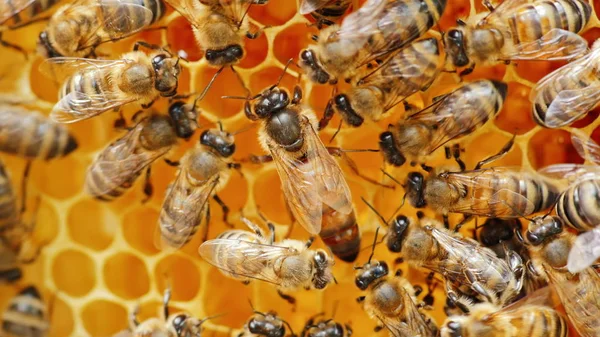
Bees may be small, and they come in all kinds of shapes and styles. Some have the classic yellow-and-black stripes, while others lean more toward brown or even metallic. And to make things more confusing, a few insects even copy the look to avoid predators.
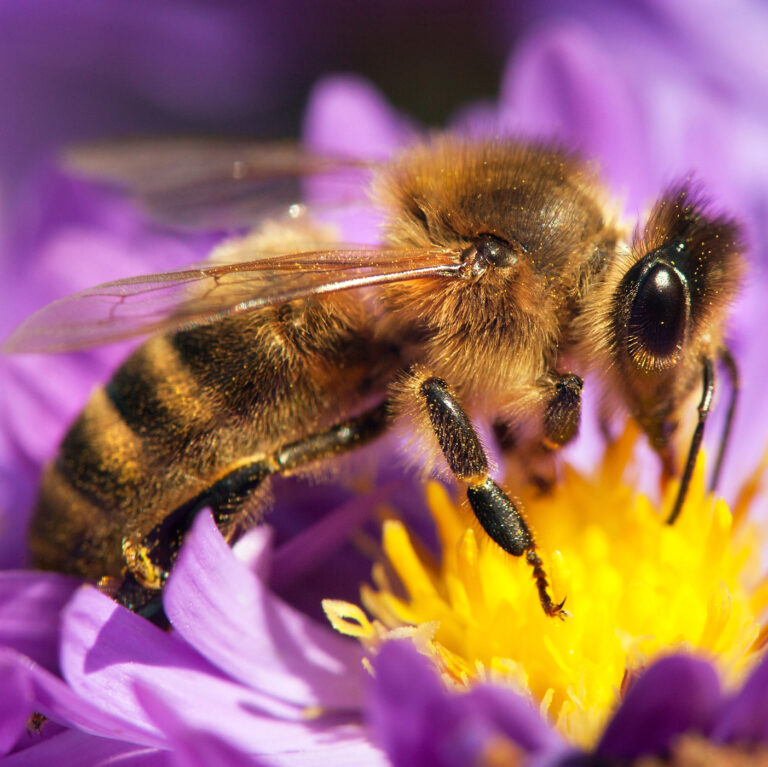
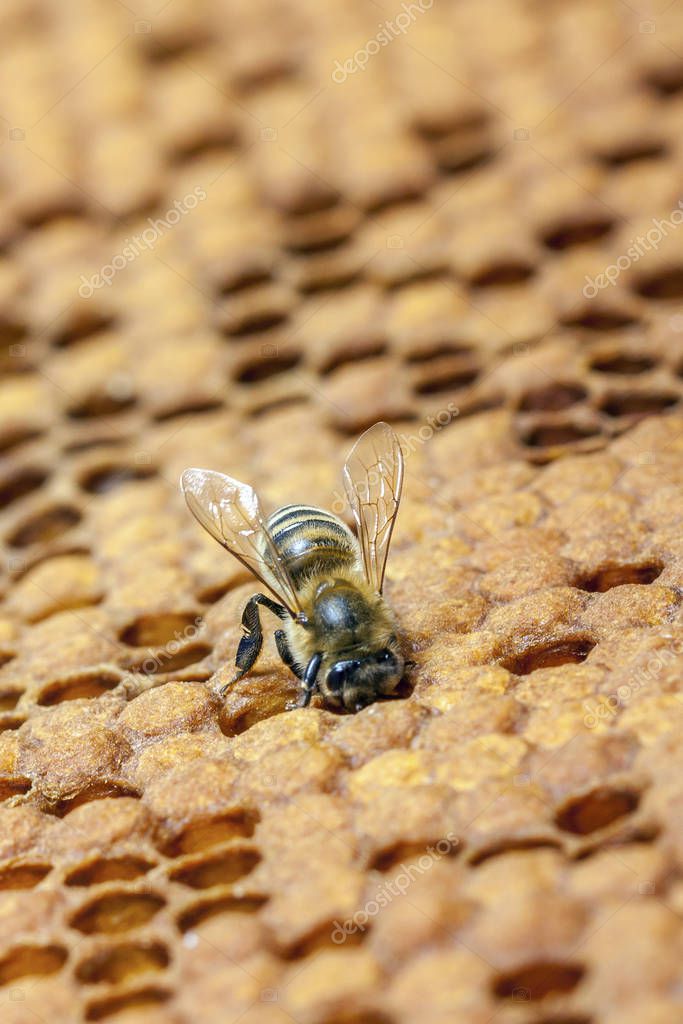
Most people picture bees as fuzzy little pollen carriers. But if you take a closer look, that is not always the case. Some bees are soft and covered in hair, while others look smooth and almost shiny. That difference is not random. It plays a big role in how each bee survives and does its job.
The Hair That Shapes A Bee’s World
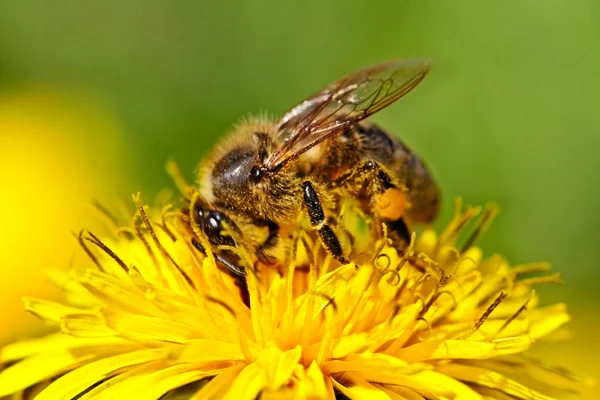
Many bees are covered in tiny hairs called setae. These hairs vary depending on the species. Some bees have thick, dense coverage, while others have very little.
Fuzzy bees use those hairs to their advantage. The hairs help trap pollen as they move from flower to flower. They also act as insulation, helping the bee stay active in cooler weather. Bumblebees are a great example. Their thick, fuzzy bodies make them some of the best pollinators around.
Shiny bees have much less hair, which gives them that smooth look. Some people assume they do less work, but that is not true. Many of them still forage and pollinate. Carpenter bees are a good example. They are known for drilling into wood to create nesting spaces, but they also visit flowers and transfer pollen from flower to flower, making them important pollinators.
Pollination Strategy
Fuzzy bees are built for collecting pollen. Their hair works almost like Velcro, grabbing and holding pollen as they move between flowers. This makes them highly efficient pollinators.
Shiny bees can still pollinate, but they do it differently. Some, like carpenter bees, move between flowers while feeding on nectar, brushing against pollen, and carrying it along without needing dense hair. Others use a behavior called buzz pollination, where they vibrate flowers to release pollen directly onto their bodies.
Even without thick fuzz, these bees are still active flower visitors. Every trip between plants helps move pollen and keep the cycle going.
How It Affects Pollination
Fuzzy bees tend to do better in cooler conditions. Their thick hair helps trap heat, allowing them to stay active when temperatures drop.
Shiny bees are more common in warmer conditions. With less insulation, they are better suited to heat and sunshine.
Hair plays a bigger role than most people realize. It helps regulate temperature and protects bees from wind and moisture. It is one of the key traits that shape how each species lives.
Temperature And Environment
Hair does more than just help with pollen. It also acts as a protective layer against wind and moisture, helping bees stay active in changing conditions.
Bees with more hair have a natural buffer against the elements, while smoother bees rely more on timing, activity patterns, and where they forage to stay efficient.
That difference shapes when and how each type of bee is active, and how they move through their environment.
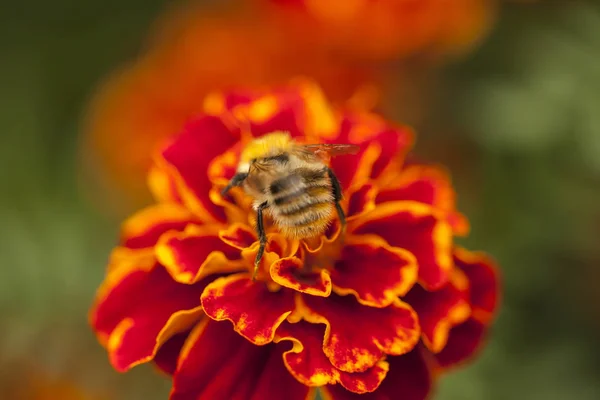
Bees are often thought of as simple honey makers, but there is a lot more going on. Different species have evolved traits that match their role in the environment. Fuzzy bees excel at pollination and handling cooler weather, while smoother bees still contribute by visiting flowers and moving pollen as they forage.
Once you start noticing these differences, it changes how you see them. Not every bee looks the same, and each one has a specific job to do.
🌿 Gear Up for a Bee-Friendly Garden
Contains affiliate links, for full disclosure, see FTC Disclosure, here.
Looking for tools that actually work?
We’ve pulled together our favorite picks for beekeeping, gardening, and pollinator-friendly seeds—everything you need to support bees and grow a thriving space.
Browse the full list on Amazon — all in one spot.