Not every fuzzy, flying thing is a bee, which matters more than you might think. That is where Bee ID comes in. Some of the bugs in your garden are hardworking pollinators. Others are just pretending. This quick guide will help you tell the difference between true bees and their lookalikes, so you can protect the ones that need it and appreciate the rest without fear.
Honey Bees vs. Hoverflies
They’re about the same size, they’re both yellow and black, and they both hover near flowers—but only one is actually a bee.
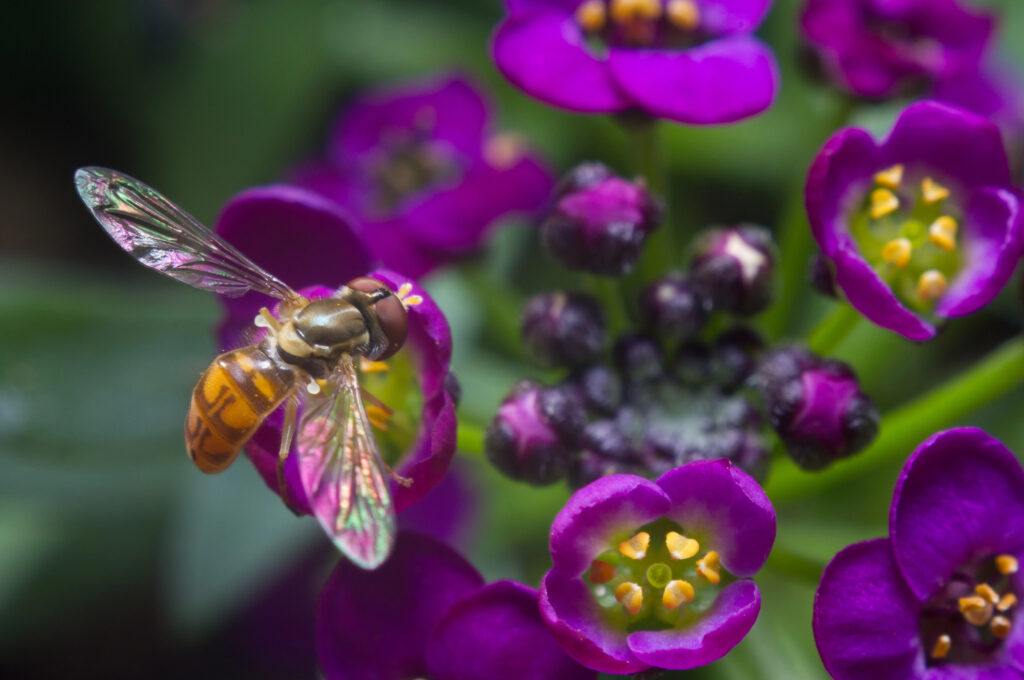
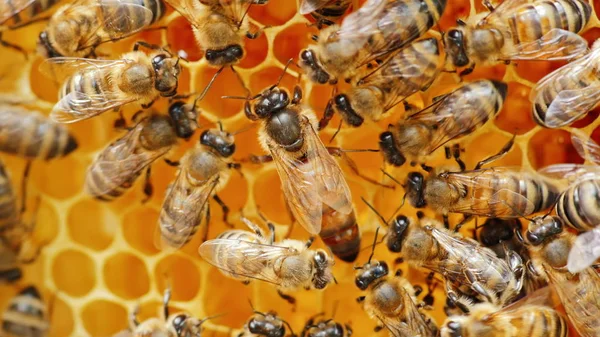
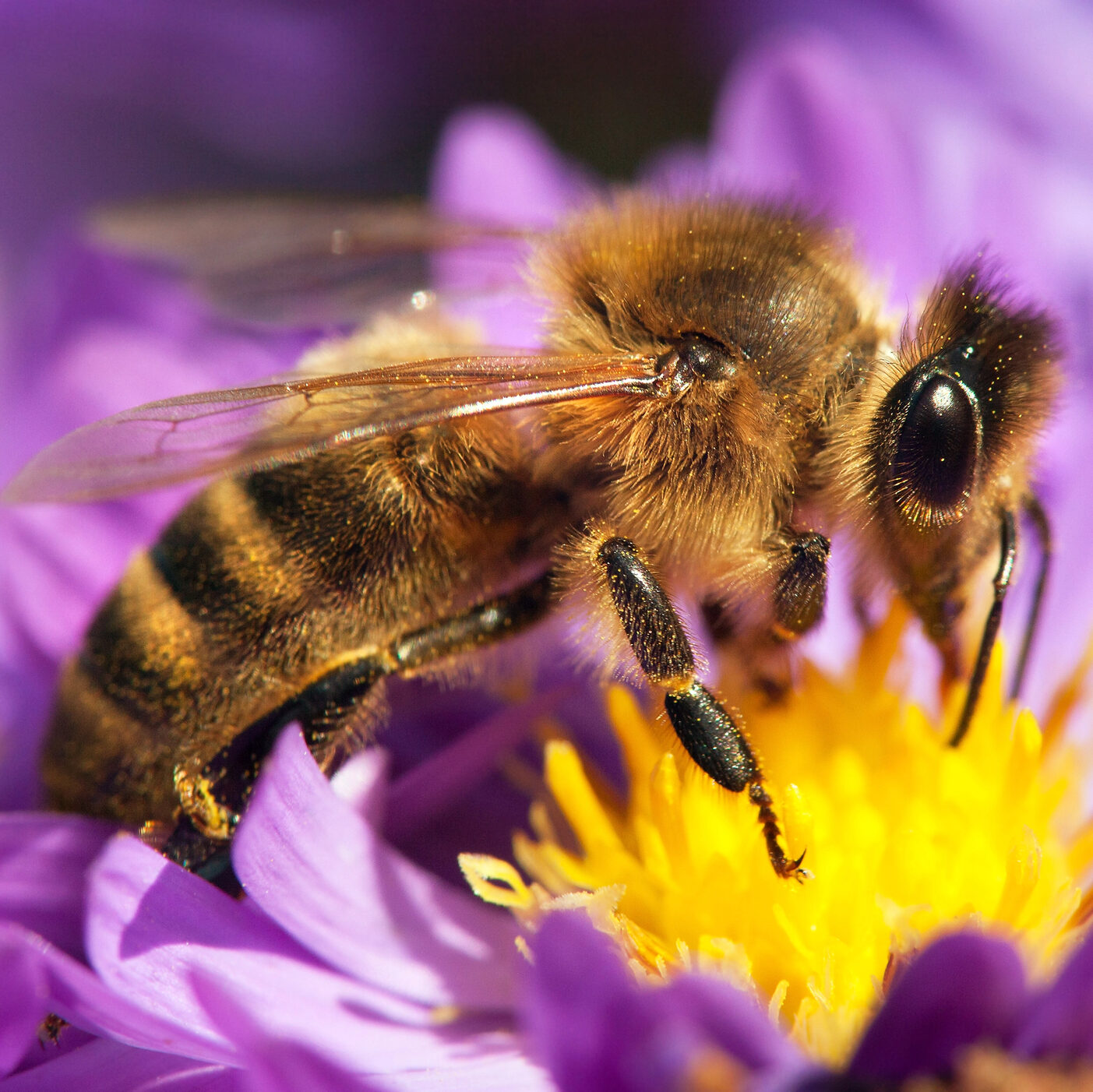
- Honey Bee: Hairy, longer-bodied, moves more deliberately. Often seen carrying pollen on its hind legs.
- Hoverfly: Smooth and shiny with big eyes. Flies like a tiny drone, super still, then fast darting moves. No stinger.
Why it matters: Hoverflies are harmless and also pollinate flowers. They just don’t get credit.
Bumble Bees vs. Carpenter Bees
At a glance, they look like twins. But there’s an easy way to tell them apart.
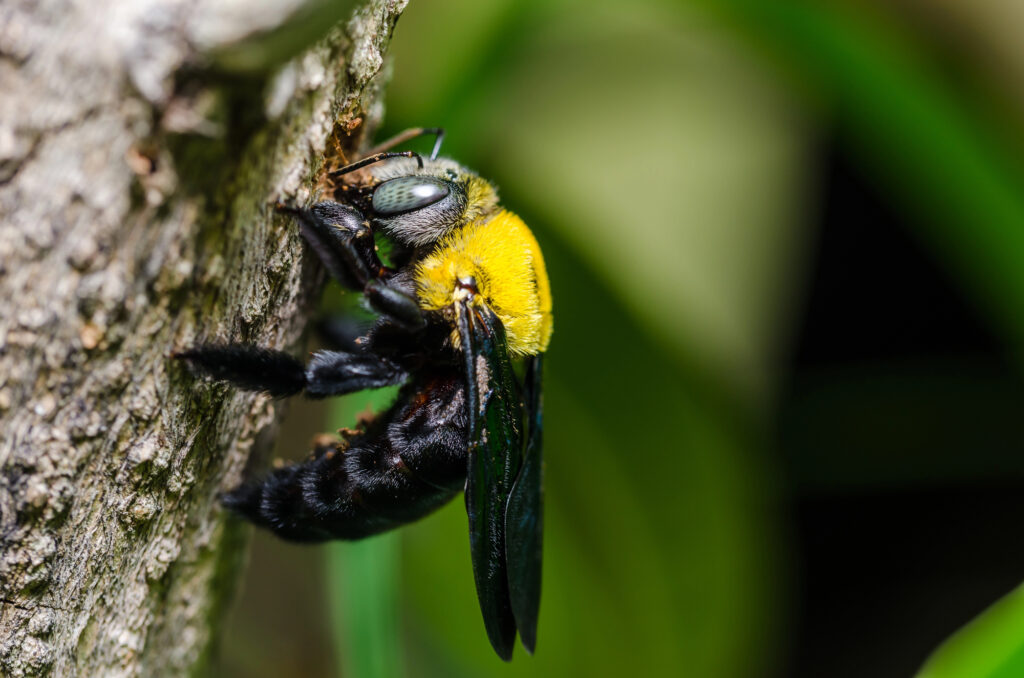
- Bumble Bee: Fuzzy all over, including the abdomen. Nests in the ground or in grassy piles.
- Carpenter Bee: Big, with a shiny bald abdomen. Often found near wood siding, fences, or decks.
Why it matters: Carpenter bees pollinate, but they can also drill into untreated wood.
Bees vs. Wasps
The biggest mix-up of all. Wasps often get mistaken for bees—and vice versa.
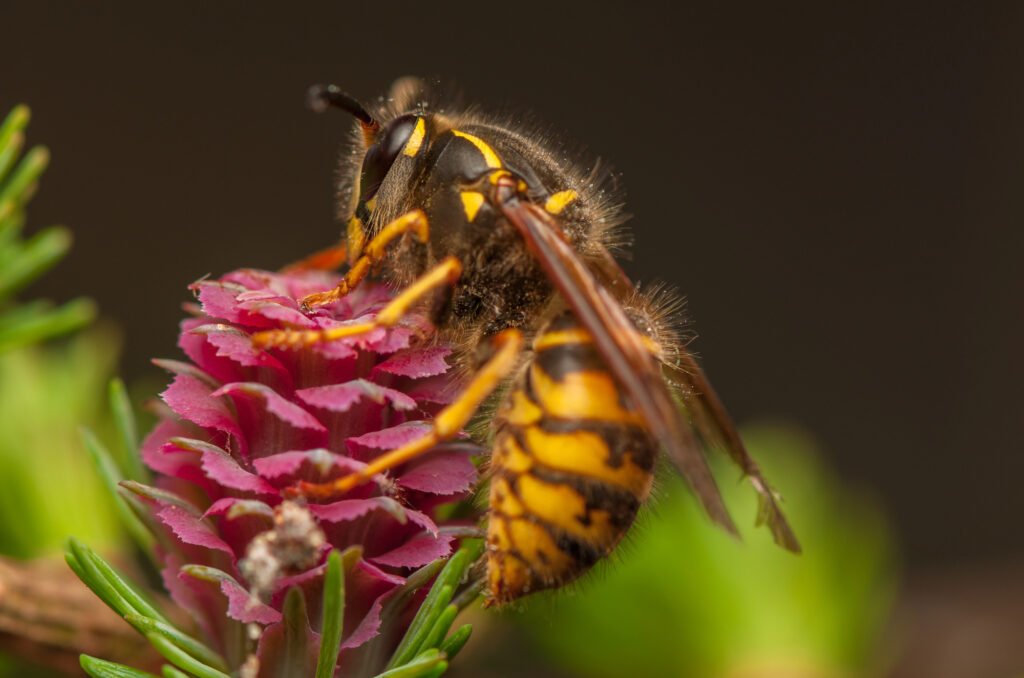
- Bee: Hairy, built to carry pollen, not aggressive unless threatened.
- Wasp: Sleek body, narrow “waist,” little to no hair. More aggressive, especially near food or drinks.
Why it matters: Wasps play their own role in pest control, but they don’t need protection like native bees do.
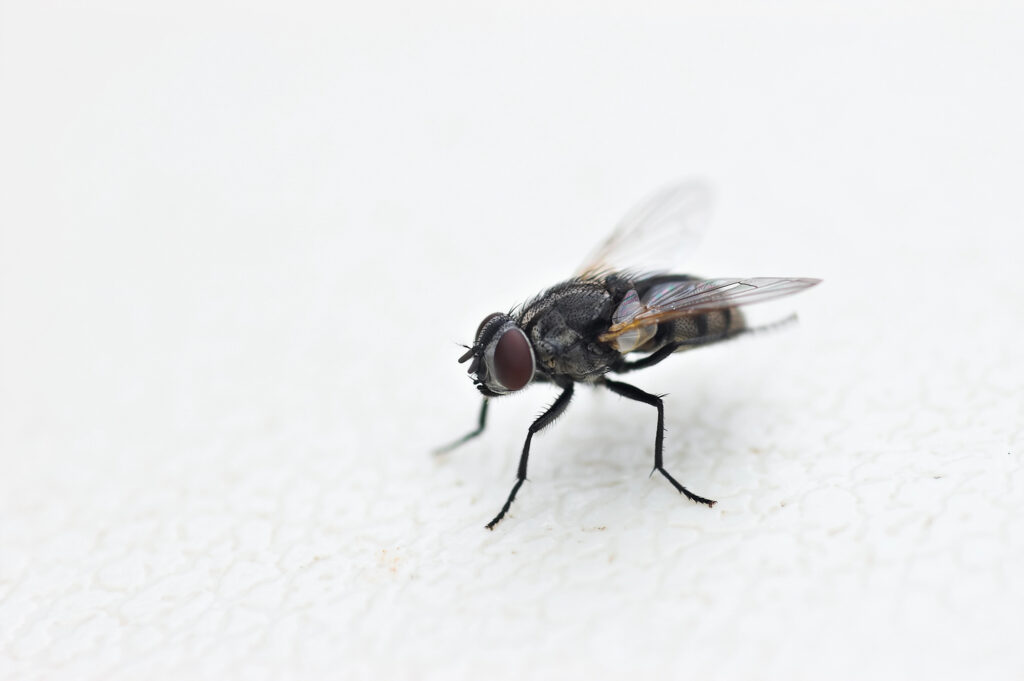
Mason Bees vs. Houseflies
Mason bees are some of the best pollinators you’ll never notice. But at a glance, they can look like plain old flies.
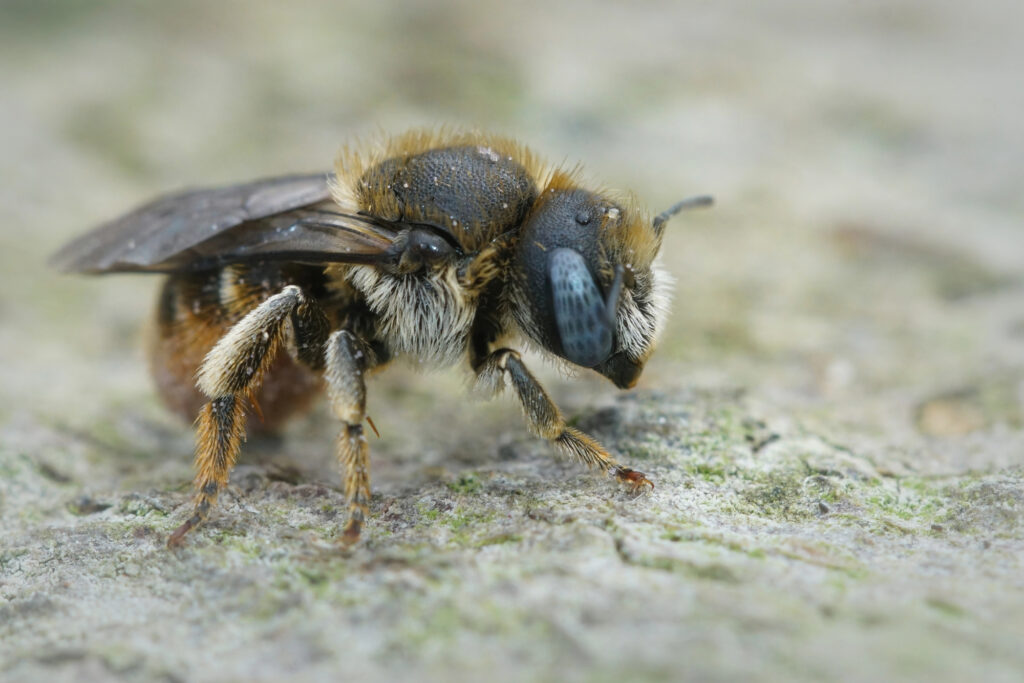
- Mason Bee: Small, dark blue or black, metallic shimmer. Carries pollen on its belly, not legs.
- Housefly: Wider eyes, erratic flight, hangs around garbage or inside homes.
Why it matters: Mason bees are quiet powerhouses, great for home gardens and easy to support.
Want to Help the Real Bees?
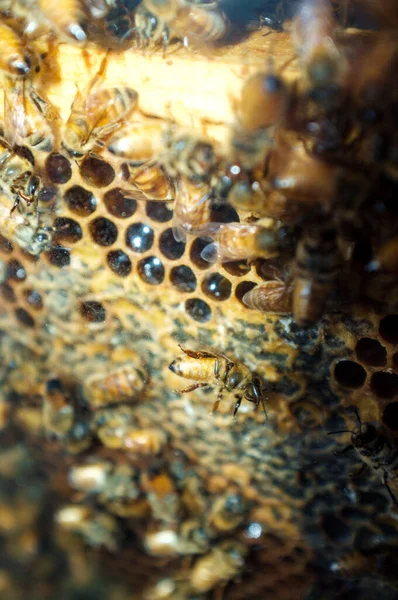
Once you know bee ID, you’ll start seeing bees in all their diversity—tiny green sweat bees, chunky leafcutters, fast zipping digger bees. They don’t all look like honey bees, but they’re all important.
Plant for variety. Avoid pesticides. Let parts of your garden stay a little wild.Not every fuzzy, flying thing is a bee—and that matters more than you might think. Some of the bugs in your garden are hardworking pollinators. Others are just pretending. This quick guide will help you tell the difference between true bees and their lookalikes, so you can protect the ones that need it and appreciate the rest without fear.
fcutters, fast zipping digger bees. They don’t all look like honey bees, but they’re all important.
Plant for variety. Avoid pesticides. Let parts of your garden stay a little wild.
🌿 Gear Up for a Bee-Friendly Garden
Contains affiliate links, for full disclosure, see FTC Disclosure, here.
Looking for tools that actually work?
We’ve pulled together our favorite picks for beekeeping, gardening, and pollinator-friendly seeds—everything you need to support bees and grow a thriving space.
Browse the full list on Amazon — all in one spot.