

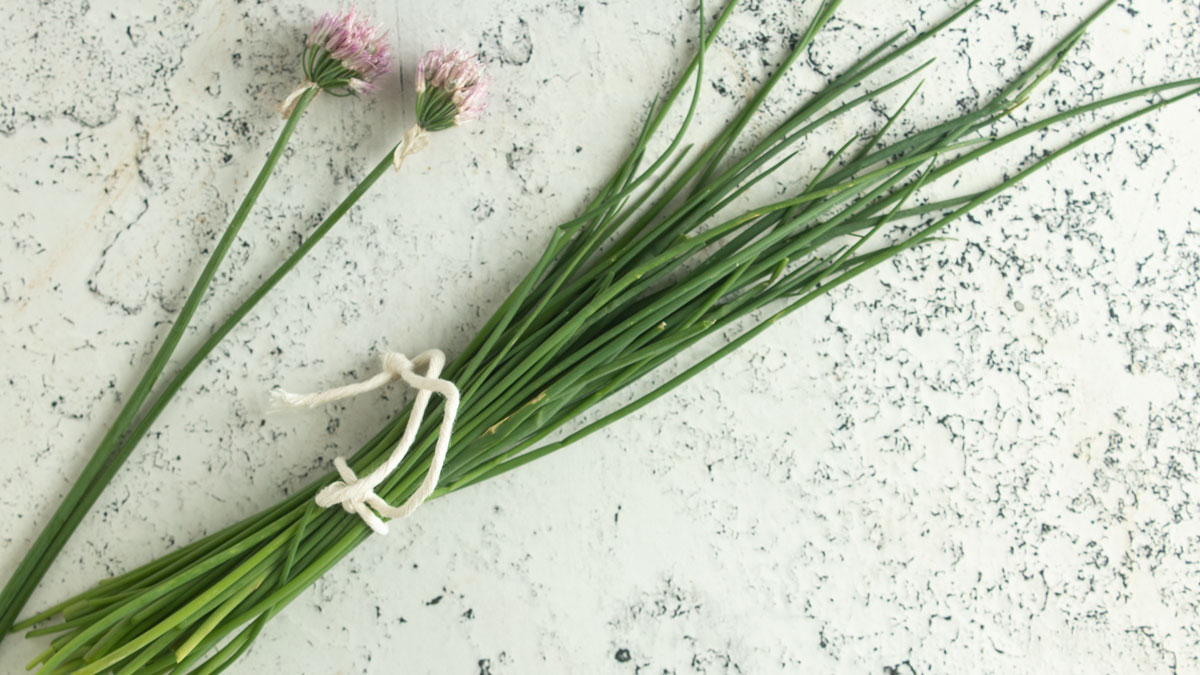
Saving your homegrown chives is a smart way to reduce waste and grocery costs. Once you learn how to store them, you can enjoy their mild onion flavor long after the growing season ends. In this guide, you’ll find easy ways to keep fresh chives in good shape, such as freezing and drying them using three simple methods. You’ll also find some tasty recipe ideas at the bottom to help you use them up.
Chives (Allium schoenoprasum) are one of the easiest herbs to grow. These hardy perennials come back year after year without much effort. They don’t need fancy soil or lots of attention. You can grow them in full sun if you have it, but they’ll still do just fine in partial shade. As for soil, anything that drains well will work. You don’t need rich compost or constant watering to keep them alive.
One of the best things about chives is how low-maintenance they are. They’re not usually bothered by common garden pests, and they rarely deal with disease. That makes them a great choice for beginners or anyone who wants a reliable herb without the hassle.
Chives also fit in nicely with most garden layouts. They grow in tidy clumps and usually stay between 12 and 20 inches tall, depending on the variety. Chives work well in smaller gardens or containers because they don’t take up much space. You can even tuck them along a garden path or use them as a soft border around your vegetable beds or flower plots.
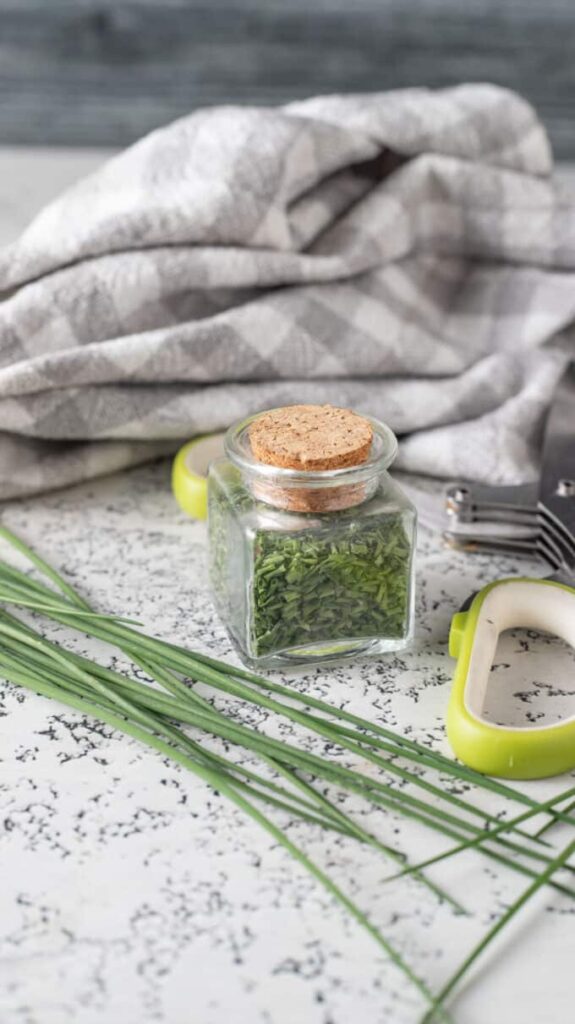
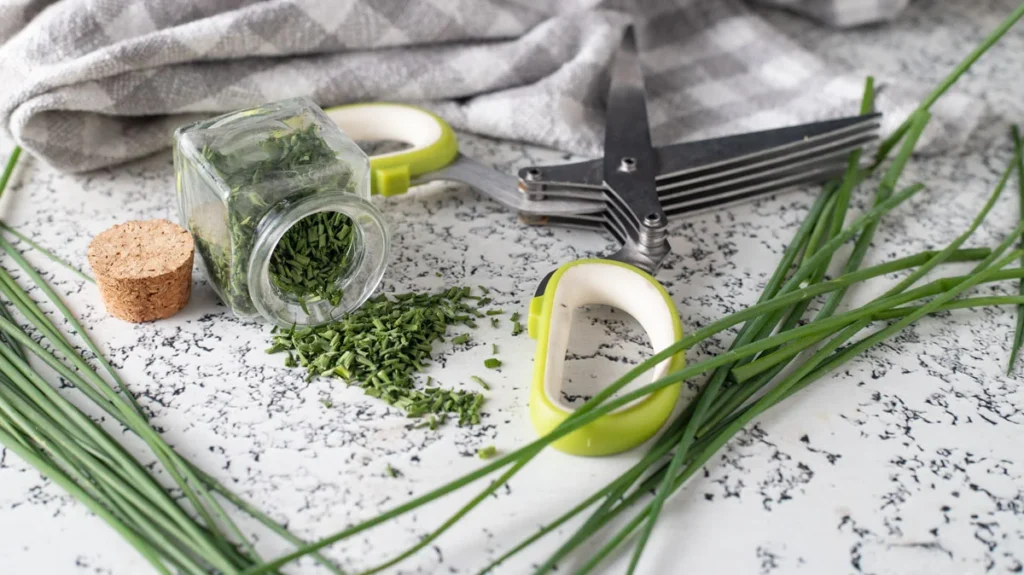
If you’re already growing chives, you probably know how fast they can grow once the season starts. That means you’ll often end up with more than you can use fresh. Thankfully, preserving them is quick and painless. You can store freshly cut chives in the fridge, freeze them for later, or dry them using a few easy techniques. Each method has its own benefits, and it really depends on how you like to cook. Frozen chives work great in soups, eggs, and sauces. Dried chives keep their flavor well and can be sprinkled over baked potatoes or mixed into spice blends.
Once you get into the habit of preserving them, you’ll always have a supply of chives ready to go, even in the middle of winter. It’s a great way to make the most of your harvest and add fresh herb flavor to your meals all year long.
Don’t forget to scroll down for lots of chive recipes. There are plenty of ways to put those preserved herbs to good use, whether you’re making dips, spreads, or dinner sides.
Whether you harvest them from the garden or buy a large bunch at the farmer’s market, preserving chives when they’re fresh just makes sense.
Bumblebees are particularly fond of chive flowers. You’ll often find them collecting nectar from the fuzzy purple pom pom-like flowers.
For the full article, see Binky’s Culinary Carnival.
Find more recipes for Preserving the Harvest.
🌿 Gear Up for a Bee-Friendly Garden
Contains affiliate links, for full disclosure, see FTC Disclosure, here.
Looking for tools that actually work?
We’ve pulled together our favorite picks for beekeeping, gardening, and pollinator-friendly seeds—everything you need to support bees and grow a thriving space.
Browse the full list on Amazon — all in one spot.


