



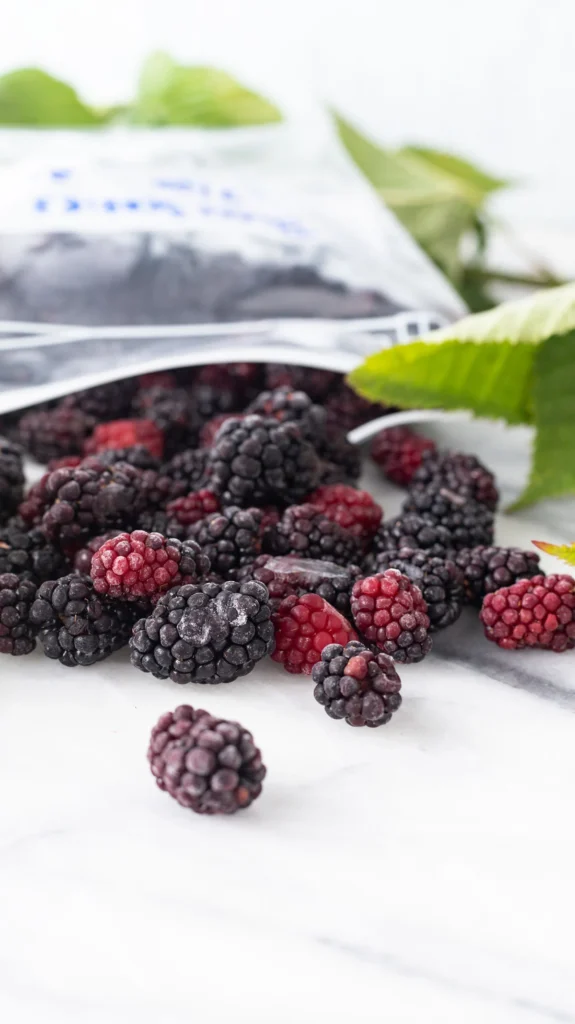
Freezing blackberries is a simple way to make the most of their short season. These juicy little gems don’t last long once they’re picked, so tucking them into the freezer is the best way to enjoy them long after summer is over. Whether you’re tossing them into smoothies or baking a batch of muffins, frozen blackberries bring a taste of summer to your kitchen all year.
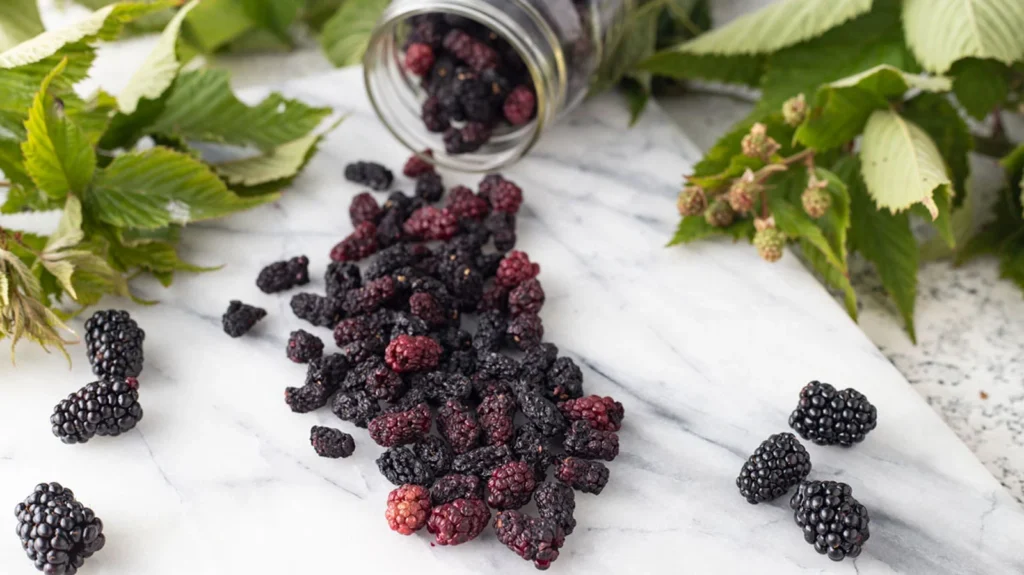
If you’ve ever bought blackberries at the grocery store or farm stand, you already know they aren’t cheap. In some places, a tiny half-pint can run you around five bucks. That’s one of the many reasons why it’s worth growing your own or finding a wild patch nearby.
Blackberries are surprisingly easy to grow. You might even spot them in open fields or along fence lines. What most people think of as “wild” blackberries are actually spread by birds, who eat the fruit and drop the seeds as they go. These patches pop up in meadows and along wooded edges, and once they’re established, they don’t need much help to thrive.
We’re lucky to have several patches growing around our own property. In the middle of summer, especially late July into August, we can gather five quarts in under an hour. It’s quick work, but once you bring them inside, the clock starts ticking. Blackberries spoil fast, often within a day or two. And when you’re picking buckets of them at a time, it’s not always possible to use or preserve them right away.

The size of the berries tends to change throughout the season. The first round of ripe fruit is usually on the smaller side. The second and third harvests often give you the plumpest, juiciest berries. But by the end of the season, they start to shrink and get harder to spot and pick.
If you’re heading out to pick your own, be sure to dress for it. Blackberry bushes are thorny and can scratch you up in a hurry. Long sleeves and pants will help you get to those big berries without tearing up your arms.
Once frozen, blackberries do lose a bit of their firm texture, but they’re still perfect for lots of recipes. Don’t thaw them before baking, just toss them in straight from the freezer. That way, they don’t mess with your batter’s moisture. They’re great in:
- Muffins, quick breads, and cakes
- Pancakes and waffles
- Cookies
- Smoothies
- Jams and jellies
- Ice cream
If you’re managing your own blackberry patch, it helps to keep it trimmed. Blackberries grow best on second-year wood, so we mow half the patch every couple of years to keep things healthy and productive. One year we mow one side, the next year we do the other.
Frozen or fresh, blackberries are worth the effort, and your freezer will thank you later.
Why Bees Matter for Blackberries
Blackberry plants produce flowers with both male and female parts, so they are capable of self-pollination. However, bee activity boosts fruit set, size, and overall yield. Without bees or other pollinators, you might still get fruit, but it will likely be smaller and fewer in number.
Which Bees Help?
Honey bees are the most common pollinators, but native bees like bumble bees, mason bees, and mining bees also play a big role. Bumble bees are especially helpful because their larger bodies and buzz-pollination technique are great at moving pollen around quickly and thoroughly.
When Do Blackberries Need Pollination?
Blackberry flowers bloom in late spring to early summer, depending on your region. That’s when bees are most active. During this time, it’s a good idea to avoid spraying pesticides or herbicides, since those can harm pollinators.
For full instructions, see the article on Binky’s Culinary Carnival.
Looking for more recipes for Preserving the Harvest? Here’s a great article on Preserving Garlic Scapes and Preserving Chives.
🌿 Gear Up for a Bee-Friendly Garden
Contains affiliate links, for full disclosure, see FTC Disclosure, here.
Looking for tools that actually work?
We’ve pulled together our favorite picks for beekeeping, gardening, and pollinator-friendly seeds—everything you need to support bees and grow a thriving space.
Browse the full list on Amazon — all in one spot.


