Mimics are animals that use clever looks to stay safe or get an advantage. They do not rely on strong jaws or fast legs. Instead, they use a disguise. Some copy the colors of dangerous insects. Some copy the shape of things that are not even alive. Their whole trick is simple. If they look like something else, other animals will leave them alone.
Mimicry shows up in many groups. You can find it in insects, spiders, fish, and even birds. Some do it to hide. Some do it to scare. Some do it to blend into a spot where no one expects anything to be hiding.
Why Do Insects Mimic Each Other
Insects mimic each other for efficient reasons. Many do it to avoid getting eaten. If a harmless bug looks like one that can sting, predators think twice. Some mimic insects that taste bad, so other animals learn to avoid that pattern. A few even copy ants’ colors so they can walk among them without starting a fight.
Mimicry helps insects survive without having to build nests, defend territory, or fight off larger animals. A simple disguise can do more for them than any weapon.
How Mimicry Works
Mimicry depends on one thing. A predator has to believe the trick. A sharp pattern, a bright color, or a specific shape can send a clear signal. If the signal matches something dangerous or unpleasant, that is enough.
Some mimics take this even further. They move like the insect they copy. They hold their legs the same way. They match the rhythm of the model species. This makes the disguise even harder to spot.
Examples of Mimics
Hoverflies
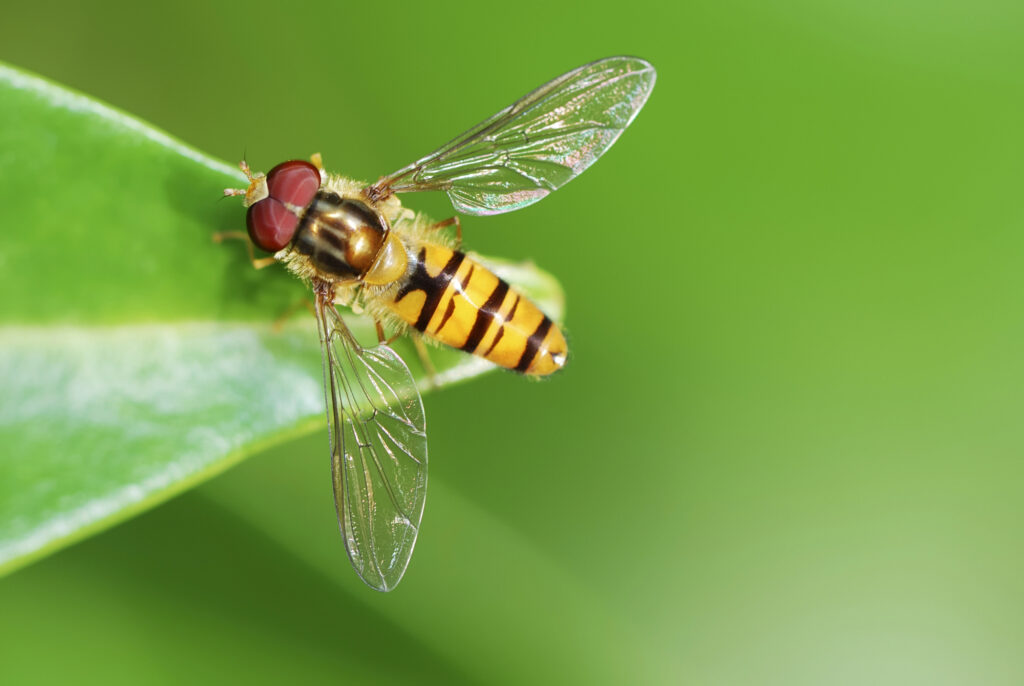
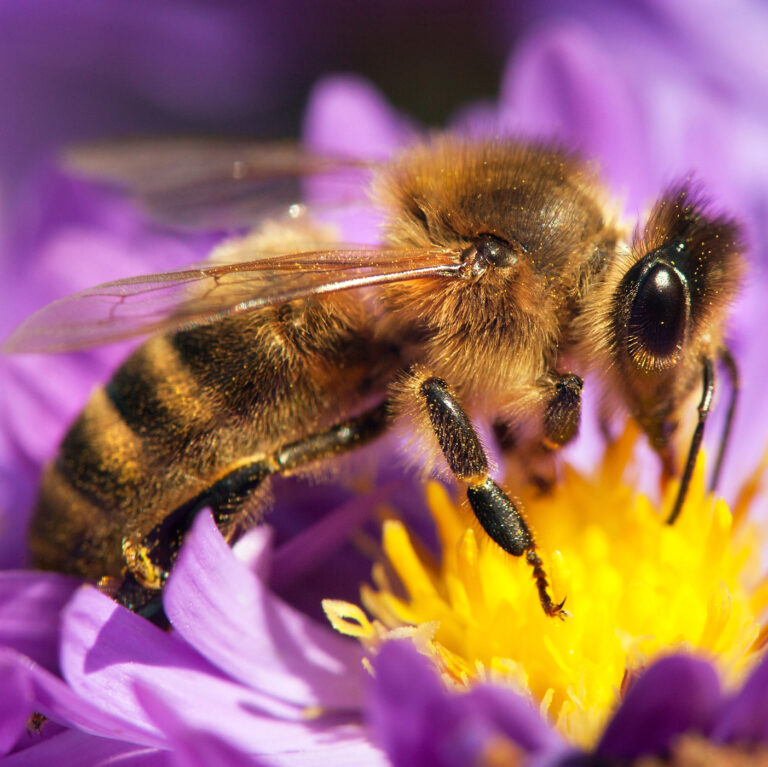
Hoverflies look like bees or wasps at first glance. They have yellow and black stripes, and they drift through the air like little helicopters. But they cannot sting at all. Their disguise helps them feed on flowers in peace.
Clearwing Moths
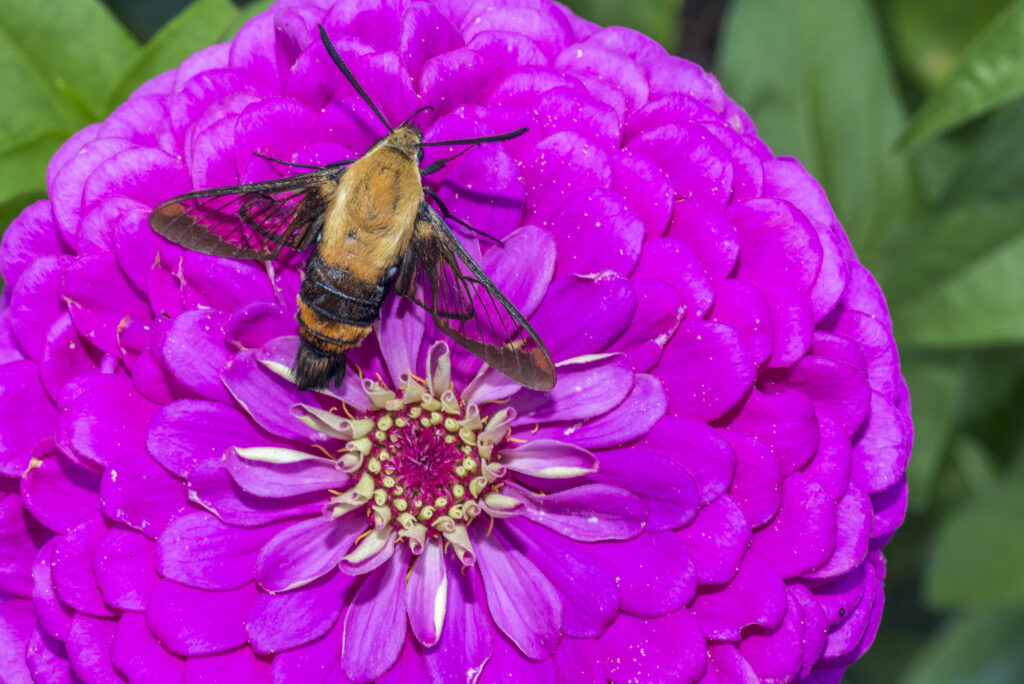
Clearwing moths look a lot like wasps. They have narrow bodies and see-through wings. They move fast and fly during the day. Their look warns predators to keep their distance.
Ant-Mimic Spiders
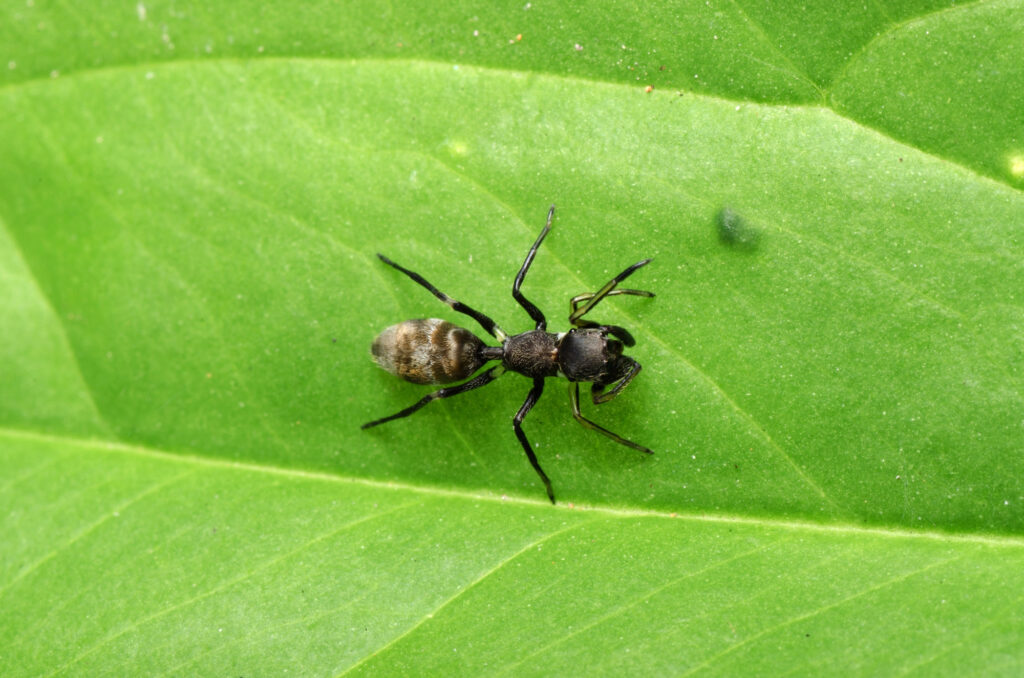
Some spiders shape their bodies and walk in ways that make them look like ants. This helps them avoid getting eaten because many animals know ants can fight back. It also lets them move in ant groups without drawing attention.
Viceroy Butterflies
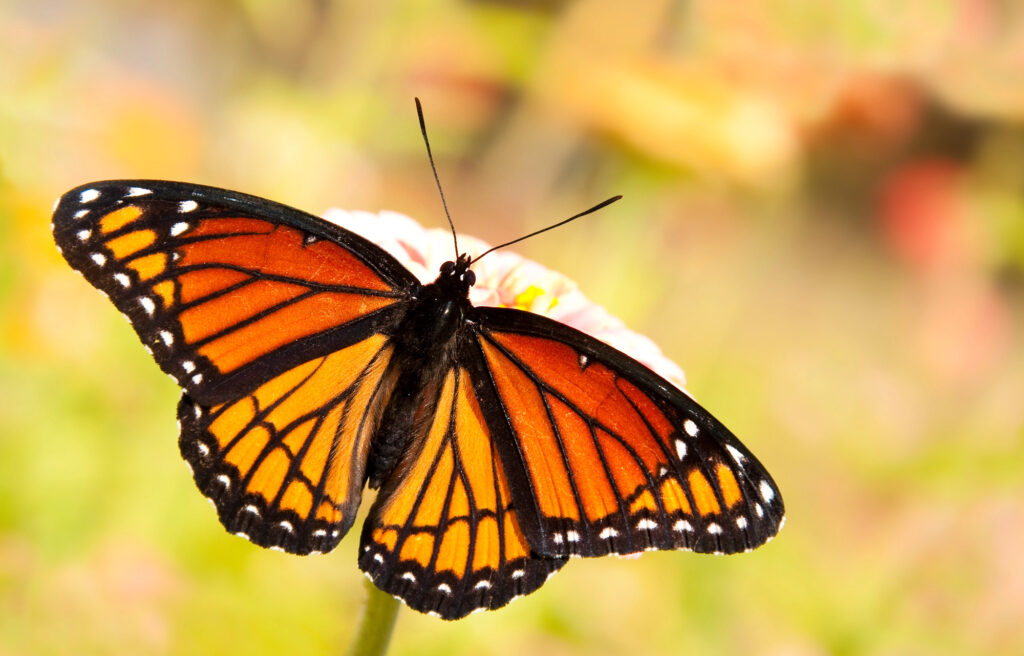
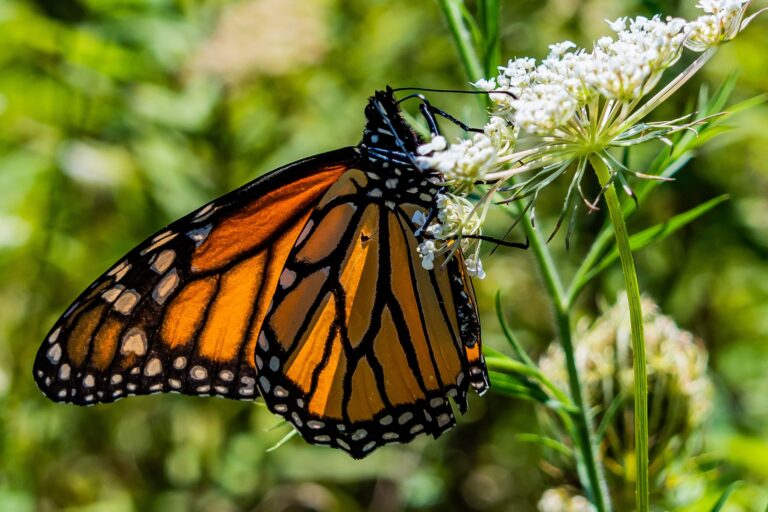
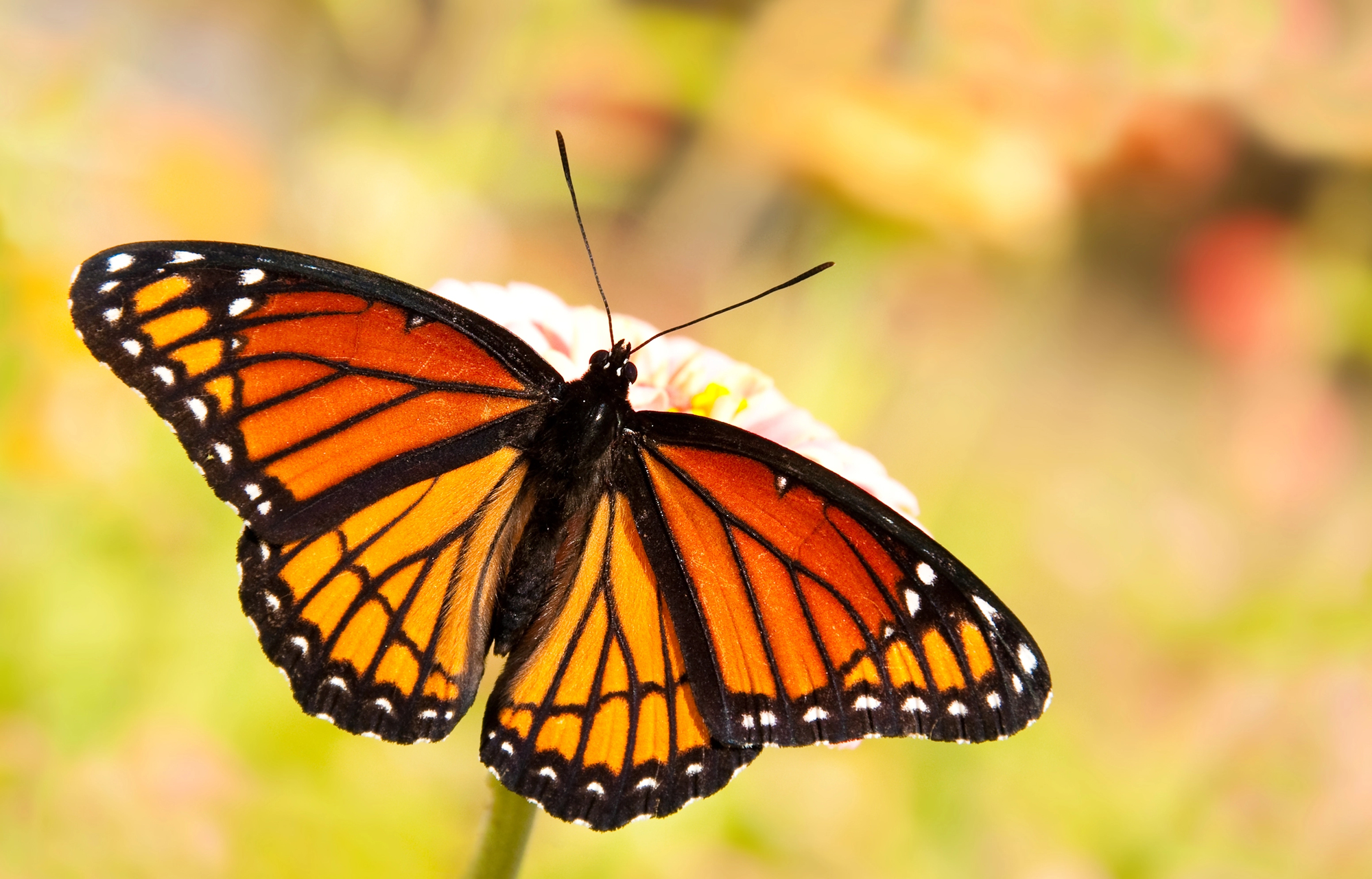
For a long time, scientists thought Viceroys were harmless fakers. However, we now know that Viceroys also taste bad to predators. By looking alike, both butterflies share the same warning signal. A bird only has to learn the lesson once to avoid both species.
Stick Bugs
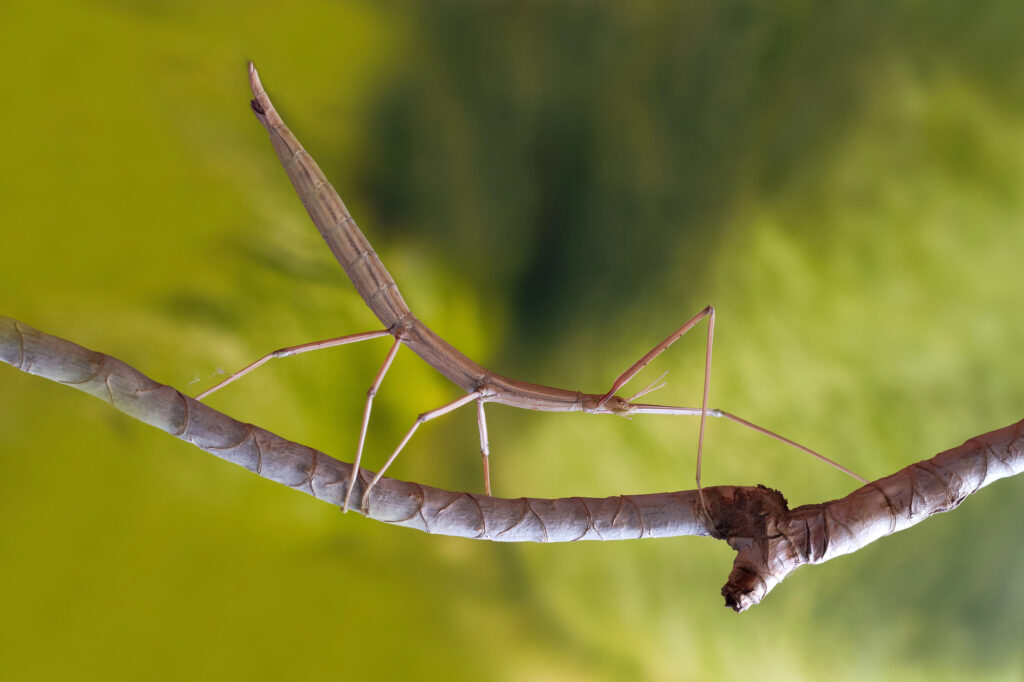
In the group of insects that mimic plants, the most proficient is the stick insect. Not only does it resemble a twig, but it also sits motionless on a branch to hide from birds. Their long bodies, straight legs, and slow movements make them blend into branches so well that they seem like part of the tree. Some even sway gently as if moved by a breeze. Unlike praying mantises, stick bugs are strict vegetarians. They use their disguise solely to hide, not to hunt.
Leaf Insects
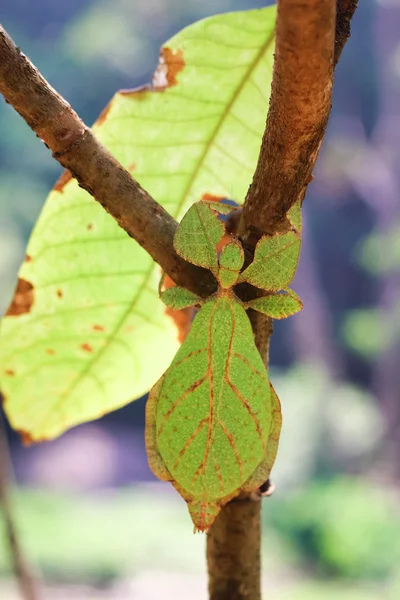
Leaf insects take camouflage to a new level. Their bodies look like broad green leaves, complete with veins and edges that mimic torn or nibbled spots. When they move, they rock back and forth like leaves floating in the air. A predator can stare right at one and still not realize it is an insect. Like stick bugs, they are herbivores that use this camouflage to graze on leaves without being spotted.
Why Mimics Matter
Mimics help show how animals solve problems without force. They use simple tricks that rely on color, shape, and behavior. These tricks help them survive in crowded, dangerous places. Mimicry also gives clues about how animals learn, how predators make choices, and how patterns spread across whole ecosystems.
If you enjoy creatures that play by their own rules and rely on smarts instead of strength, mimics are a great place to start.
If you are interested in more mimics, see our article for Bee ID and lookalikes or Where Butterflies Go in Fall.
🌿 Gear Up for a Bee-Friendly Garden
Contains affiliate links, for full disclosure, see FTC Disclosure, here.
Looking for tools that actually work?
We’ve pulled together our favorite picks for beekeeping, gardening, and pollinator-friendly seeds—everything you need to support bees and grow a thriving space.
Browse the full list on Amazon — all in one spot.