
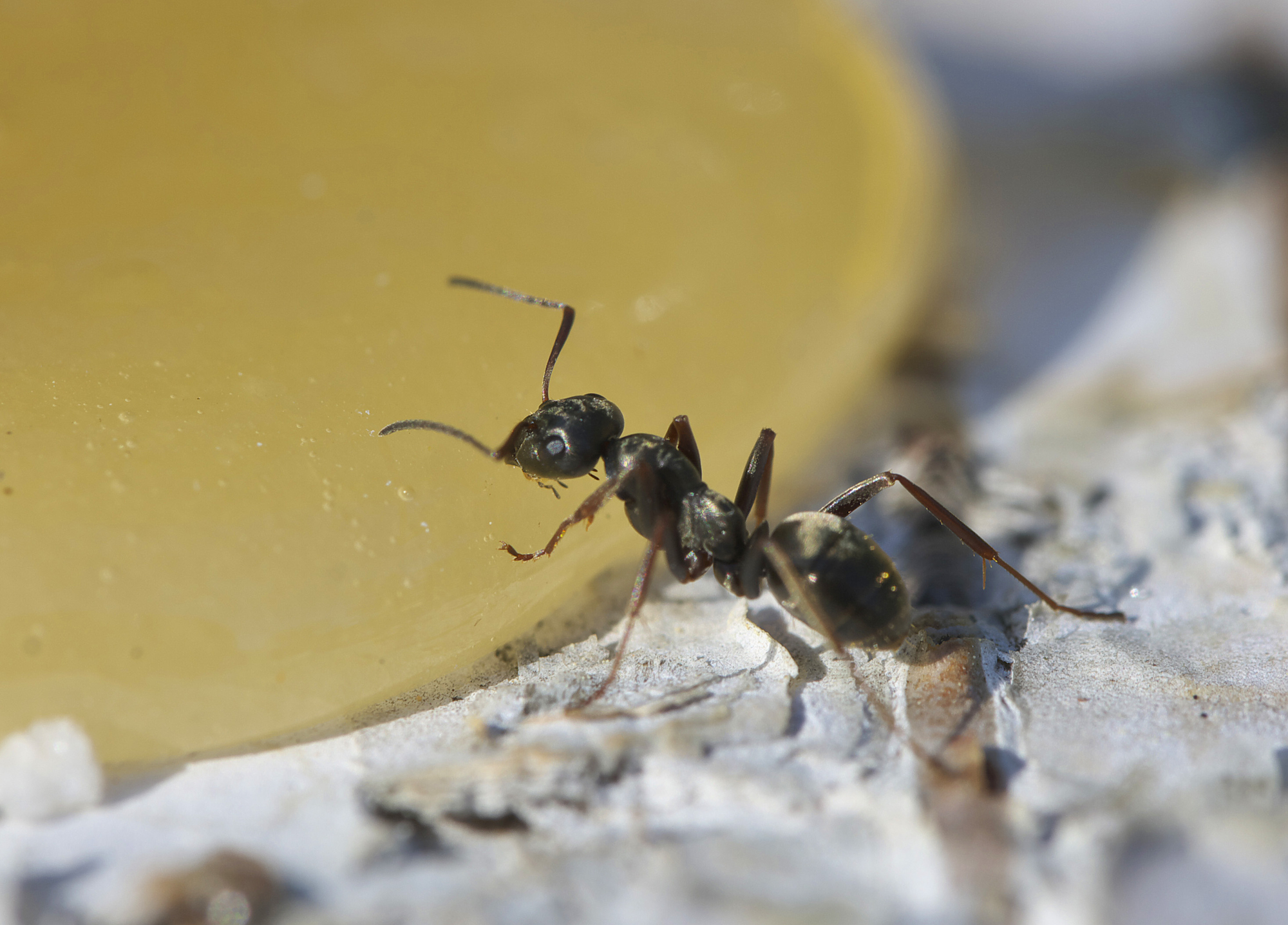
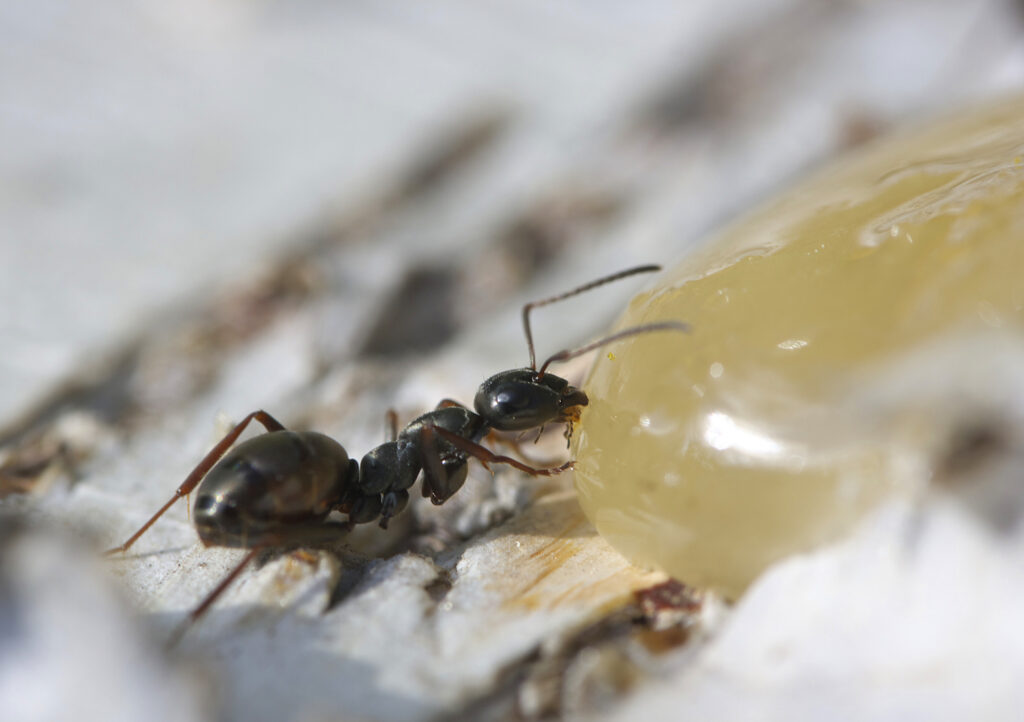
Ants can be tiny, but they can put real pressure on a beehive. They move in long streams and climb the stand. They slip through cracks and look for honey, pollen, and brood. A few ants are a slight bother. A full invasion can wear a hive down and turn a busy home into a stressful place.
Shared Roots
Ants and bees belong to the same order. They are both hymenopterans. This means they share deep family ties even though they behave very differently. Many ant species live in tight social groups with queens, workers, and brood. Honey bees also follow a social system with clear roles. Both groups build strong communities and protect their young. Both communicate in ways that help the colony survive. These shared traits are part of what makes ants so good at invading a hive. They organize fast and work in teams. They follow scent trails and do not stop until the food is gone.
Ant Trails and Hive Pressure
Once ants find a hive, they leave scent marks that guide others straight to the entrance. Soon there can be a constant stream heading in the same direction. Bees try to block them. They chase the ants away from the landing board. But ants wait for warm days or busy moments. They return again and again. The bees lose time and energy trying to keep them out.
Why Ants Target Hives
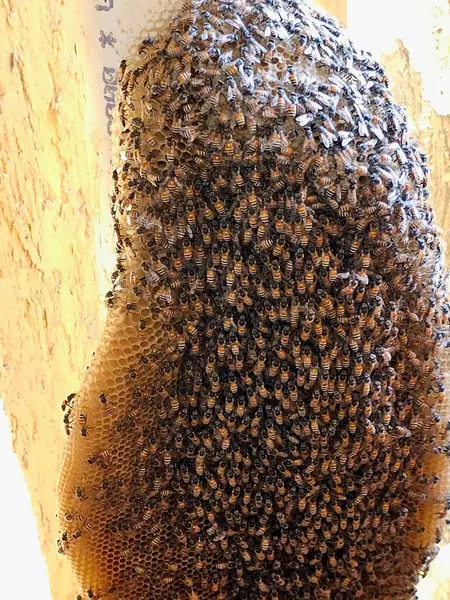
A hive offers everything an ant colony wants.
- Honey: High-energy sugar fuel.
- Pollen: Essential protein.
- Brood: A source of fat and protein.
- Heat: Ants often nest above the inner cover to steal the bees’ warmth for their own eggs.
Signs of Ant Trouble
You can notice the early warning signs if you look closely:
- Ants climbing the legs of the hive stand.
- Numbers building up near small cracks or openings.
- Lines of ants moving across the outer cover.
- Bees acting tense or “jumpy” at the entrance.
Hive Impact
A strong hive may hold its ground for a while. A weaker hive can lose stores faster than it can replace them. Ant pressure can slow brood care. It can distract workers from foraging. It can turn daily work into a nonstop defense effort.
Take Care When Tending a Hive Under Ant Attack
A hive under attack from ants is already on high alert. Bees may be jumpy. They may respond faster to any movement near the entrance. This is why you need extra care when you approach a hive you know has been targeted. I heard a story about a woman who went to remove an ant colony near her apiary. The bees were already stressed. They rushed out and stung her many times. She needed medical help right away. This kind of reaction can happen when a colony feels crowded, threatened, and worn down by pests. Slow movements. Calm behavior. Proper gear. These things matter even more during an ant invasion.
How to Deter an Attacking Ant Colony
You can deal with an ant colony near a hive in gentle ways that do not harm the bees. The goal is to create barriers rather than using poisons.
- Scent Barriers: Many keepers use natural barriers, such as cinnamon, mint, or citrus peels, around the stand. These strong smells break up the invisible pheromone trails ants use to navigate, confusing them and making the area less inviting.
- Diatomaceous Earth: Some beekeepers spread a thin ring of food-grade diatomaceous earth on the ground around the stand legs. Caution: This must be kept well away from the hive entrance. If bees land in it, the dust can damage their exoskeletons just as it does the ants.
- Oil Cups (Moats): The most effective method is often raising the hive on stands with cups of water or vegetable oil under each leg. This creates a physical “moat” that ants cannot swim across.
These steps slow the ants down and help the bees regain control without using harsh chemicals that could contaminate the honey or harm the colony.
Why It Matters
Ant attacks show how even small insects can shift the balance inside a hive. Bees already face heat, rain, pests, and long foraging days. When ants add more pressure, the colony feels it in every part of its work. What looks like a tiny line of insects on the ground can grow into a full struggle that shapes the season.
Conclusion
Ants and bees share a long history through their place in the same insect order. They also share strong social systems that help them survive. But when ants target a hive, that shared strength turns into a clash. Bees defend their home with determination. Ants return with steady teamwork. Watching this battle helps us understand how much the bees must handle and how much care a hive needs, especially when it is already under stress.
Want to learn more? See our article on Fall Bees Cleaning where we explain how bees clean out the hives and prepare for winter.
🌿 Gear Up for a Bee-Friendly Garden
Contains affiliate links, for full disclosure, see FTC Disclosure, here.
Looking for tools that actually work?
We’ve pulled together our favorite picks for beekeeping, gardening, and pollinator-friendly seeds—everything you need to support bees and grow a thriving space.
Browse the full list on Amazon — all in one spot.


