
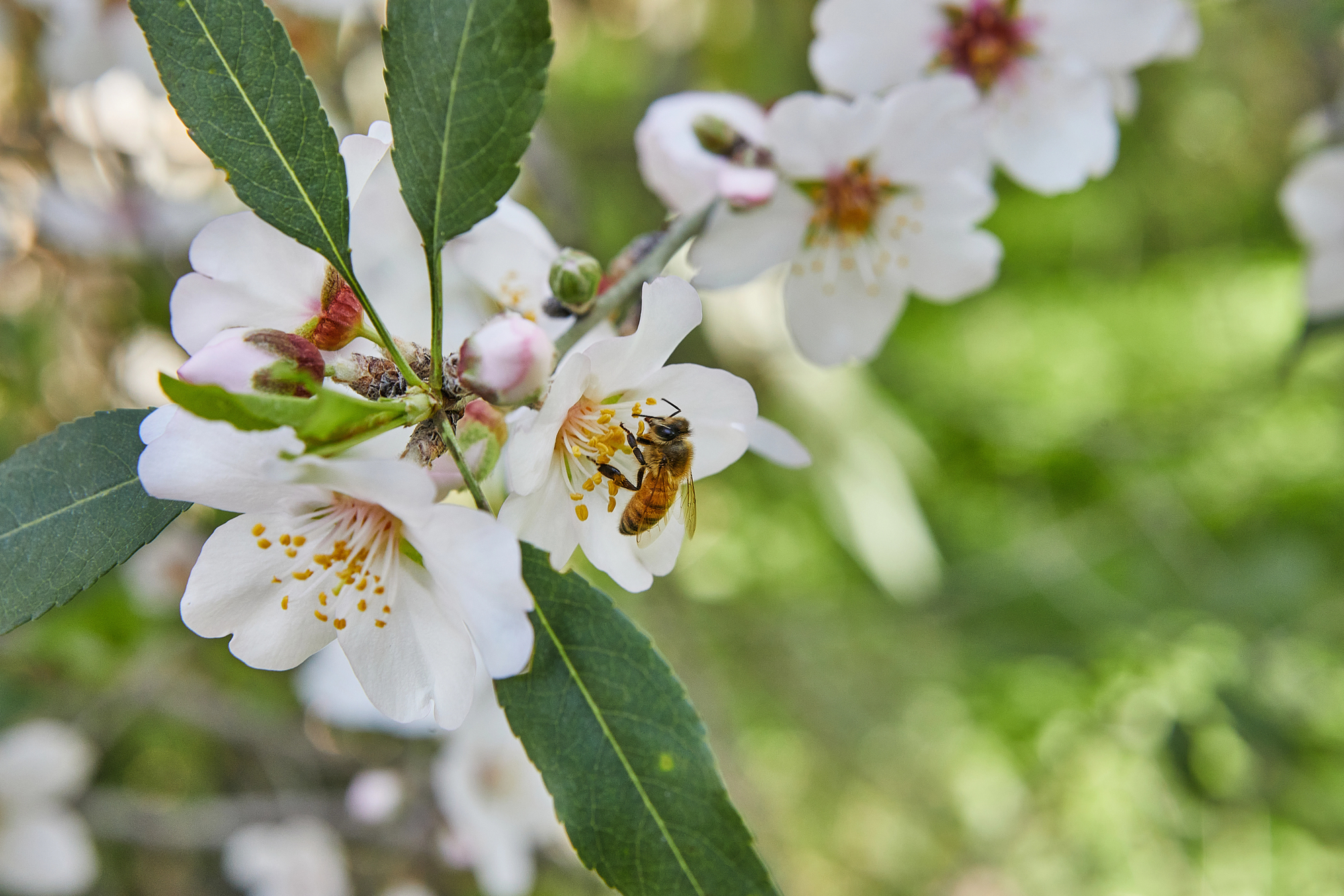

Every year, millions of beehives are packed into trucks and sent across the country to pollinate crops. This practice is called migratory beekeeping. Without this system, we wouldn’t have almonds, apples, melons, or blueberries. Most people have no idea this cross-country bee work even exists, but it plays a major role in our food supply.
This post breaks down how commercial beekeeping works in the United States and why so many bees are always on the road.
A Quiet Force Behind U.S. Farming
Pollinators are essential for more than one hundred crops grown in the U.S. Some crops, like almonds, need pollination to produce any fruit at all. Others, like apples or pumpkins, grow larger and healthier when bees are part of the process.
Most of this work isn’t done by local wild bees. It comes from traveling hives managed by commercial beekeepers.
How Migratory Beekeeping Works
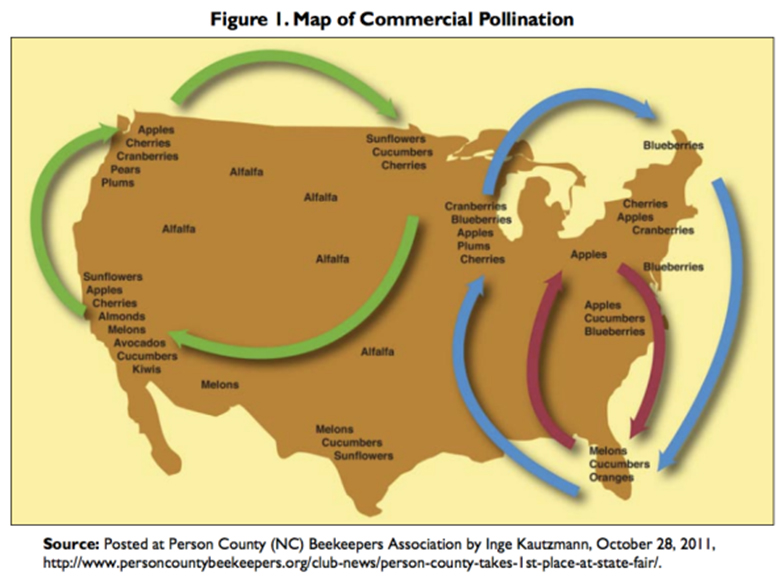
Migratory beekeeping means moving hives from one crop to the next as plants bloom. Beekeepers follow a seasonal route, going where the flowers are.
The yearly schedule often looks like this
February to March – Almonds in California
April to May – Apples and cherries in Washington
May to June – Berries and clover in the Midwest
May and July – Apples, Cherries, Blueberries and Cranberries in the Northeast
August to September – Melons and squash in the South
At the height of the season, over two million hives are used for almond pollination alone. Here is an interesting article from the Illinois FarmDoc Daily.
Life on the Road for Bees
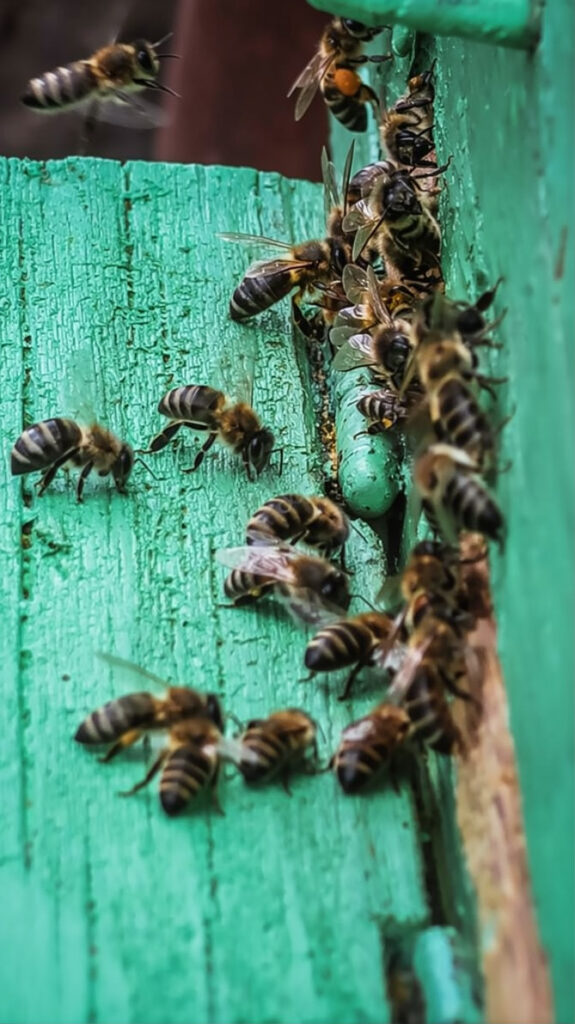
Hives are moved at night or early morning when bees are calm and inside. They’re loaded onto flatbed trucks and driven across long distances. Beekeepers monitor the temperature and conditions to keep the bees safe. Once they arrive, the hives are placed along the edge of a field, and the bees begin foraging.
After a few weeks, the hives move again. This happens again and again until the end of the season.
Why It Helps and Why It Hurts
This system keeps farms productive and provides steady income for commercial beekeepers. It also matches the need for pollination with the supply of bees.
But there are downsides
Frequent moves make bees weaker and more stressed
Diseases and pests spread more easily among traveling hives
Bees are exposed to multiple farm chemicals along the way
Large crop areas (monocultures) often provide poor nutrition for bees
Even with treatments and supplements, many hives struggle to survive. Native bee species are affected too, as natural food sources and habitats are replaced by industrial crops.
Migratory beekeeping is essential for crop pollination; however, the job is highly stressful for the bees, and the practice has contributed to their population decline.
What You Can Do About It
You can support pollinators at home by making your yard or garden a better place for them
Grow a mix of native plants that bloom in different seasons
Avoid using any pesticides
Leave space for bees to nest, such as bare soil or small brush piles
Support farms that use sustainable methods
Want to help local pollinators even more? Here’s what bees really need to survive in your yard. Also, see our article on The World’s Most Expensive Honeys (and Why They Cost So Much).
🌿 Gear Up for a Bee-Friendly Garden
Contains affiliate links, for full disclosure, see FTC Disclosure, here.
Looking for tools that actually work?
We’ve pulled together our favorite picks for beekeeping, gardening, and pollinator-friendly seeds—everything you need to support bees and grow a thriving space.
Browse the full list on Amazon — all in one spot.


