

How Solar Farms Are Supporting Pollinators
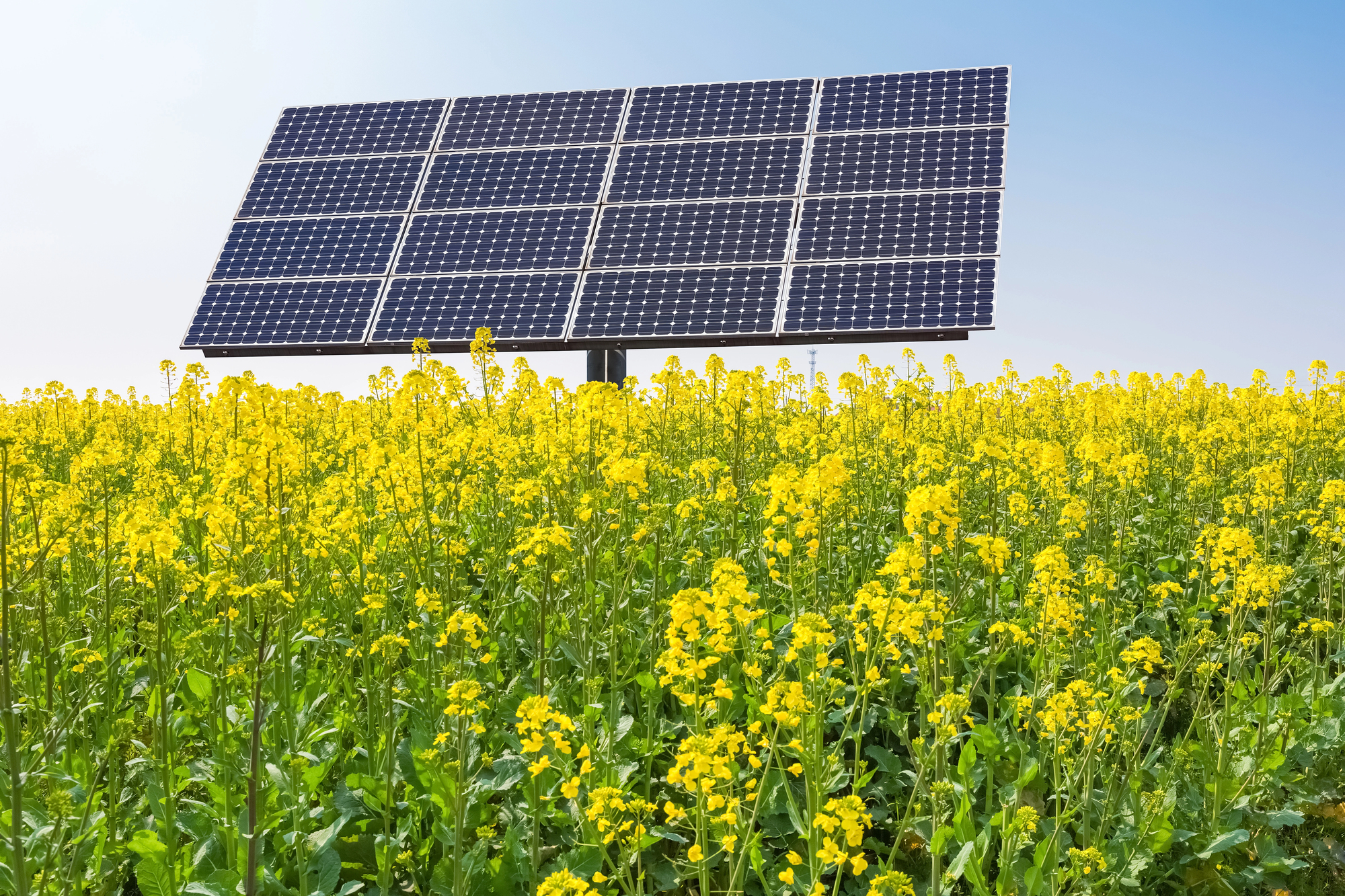
Pollinator-friendly solar farms are transforming fields of panels into thriving habitats for bees and butterflies. By planting native wildflowers and grasses beneath solar arrays, these sites help pollinators thrive while also boosting biodiversity and producing clean energy.
Planting pollinator-friendly vegetation into solar farms, also known as agrivoltaics, offers a dual benefit. It generates renewable energy and supports vital pollinator populations. This approach improves biodiversity, boosts soil health, and may even increase solar panel efficiency.
What Is Agrivoltaics?
Agrivoltaics is the practice of pairing agriculture or ecological restoration with solar power production. In this case, native plants are grown beneath solar panels to create a safe forage and nesting space for bees and other pollinators.
These living ground covers aren’t just decorative. They stabilize the soil, prevent erosion, and turn otherwise underused land into a functioning habitat.
Why Bees and Solar Panels Work Together
Pollinators and solar panels might seem like an unlikely combination, but they actually complement each other well.
- Cooler, Healthier Ground
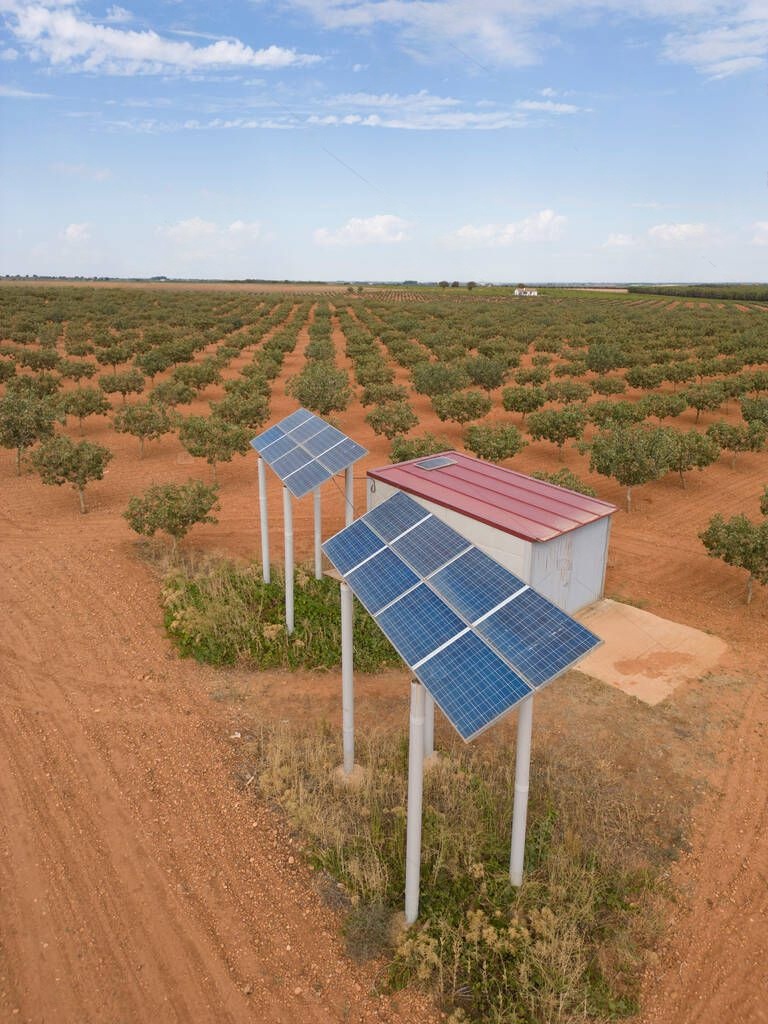
Solar panels create partial shade, which lowers soil temperature and helps conserve moisture. This microclimate makes it easier for native plants to thrive, especially in drier regions. - No-Till Benefits
These habitats are typically left undisturbed once established. That gives ground-nesting bees the safe, stable conditions they need. - Soil and Water Improvements
Deep-rooted native perennials improve water infiltration and hold nutrients in place. This is especially helpful in erosion-prone or marginal farmland, often used for solar projects.
Real-World Success Stories
Minnesota’s Habitat-Friendly Solar Program is a leader in this space. The state developed a formal pollinator scorecard to certify solar farms that use native vegetation. At one site, scientists documented over 40 species of native bees and butterflies. That proves pollinators return quickly when the habitat is restored.
Connexus Energy’s Ramsey Solar site planted a 3.4-megawatt array with a diverse mix of native species. The project received the highest possible pollinator score in the state. Researchers also noted a jump in insect biodiversity and better soil stability.
Many other cooperatives and solar developers are following their lead.
Best Plants for Beneath Solar Arrays
Plant choices vary by location, but the best options are low-growing, shade-tolerant native species that won’t interfere with solar panels.
Some popular examples include:
- Purple coneflower
- Lanceleaf coreopsis
- Little bluestem grass
- Native clovers
- Black-eyed Susan

For specific regional planting guidance, the Xerces Society offers excellent habitat installation guides.
How You Can Help
Even if you don’t manage a solar site, there are ways to support this growing movement.
- Back pollinator-friendly solar projects in your area
- Advocate for state or local pollinator scorecards
- Plant native species in your own garden
- Share the benefits of agrivoltaics with your community
Learn More
- U.S. Department of Energy – Buzzing Around Solar
- Ernst Seeds – Pollinator-Friendly Solar Sites
- Xerces Society – Installation Guides
Want to learn more about bees? Check out our article: What Bees Really Need to Survive in Your Yard
🌿 Gear Up for a Bee-Friendly Garden
Contains affiliate links, for full disclosure, see FTC Disclosure, here.
Looking for tools that actually work?
We’ve pulled together our favorite picks for beekeeping, gardening, and pollinator-friendly seeds—everything you need to support bees and grow a thriving space.
Browse the full list on Amazon — all in one spot.


