Beekeeping isn’t just a relaxing hobby. Beekeeping benefits not only include pollination and honey. Some researchers believe that spending time with bees could actually support a longer, calmer life. From reduced stress levels to better cellular aging markers, here’s how working with hives might be good for both body and mind.
More people are turning to backyard beekeeping, not just for honey, but for the peace and balance it brings. A surprising amount of research is starting to connect this age-old practice with long-term wellness.
The Calm of the Hive
Beekeepers often describe the sound of a hive as grounding, like white noise that calms the nerves. That hum isn’t just pleasant. Some therapists and researchers believe the steady buzz of bees can help people settle their nervous systems and focus more easily.
Veterans groups and urban farm programs have introduced beekeeping as a way to manage symptoms of trauma. Several small studies and pilot programs have reported reduced anxiety and improved sleep among participants who spent time working with bees.
→ HIVES: Honeybee Initiative for Veterans’ Empowerment and Support
What Telomeres Reveal About Beekeepers
A 2016 study from Poland examined the telomere length of beekeepers and found something unexpected. Telomeres are the protective caps at the ends of our chromosomes, and they naturally get shorter as we age. Shorter telomeres are linked to faster aging.
But in this study, beekeepers had significantly longer telomeres than people in the general population.
Researchers believe the difference might come down to lifestyle. Time spent outdoors, regular physical activity, and lower stress levels can actually be good for you.
→ Journal of Aging Research article
The Sting in the Science
Bee venom isn’t just for defense. It’s being studied for its potential to fight serious illness. The key compound in bee venom, melittin, has shown it can disrupt cancer cells in lab tests while leaving healthy cells unharmed.
One of the most promising discoveries came from Australia. Researchers found that melittin could kill aggressive breast cancer cells, including triple-negative and HER2-enriched types, within an hour. Healthy cells were left untouched.
→ Honeybee venom kills breast cancer cells – Harry Perkins Institute
The study, led by Dr. Ciara Duffy at the University of Western Australia, may help shape future treatments using natural compounds.
Melittin is also being explored for its anti-inflammatory effects. Some experimental therapies use small, controlled doses of bee venom to support people with joint pain or immune challenges. While this isn’t something to try at home, it’s a reminder that bees offer more than pollination and honey.
→ NIH study on bee venom and cancer
→ Bee venom overview – Healthline
Why This All Matters
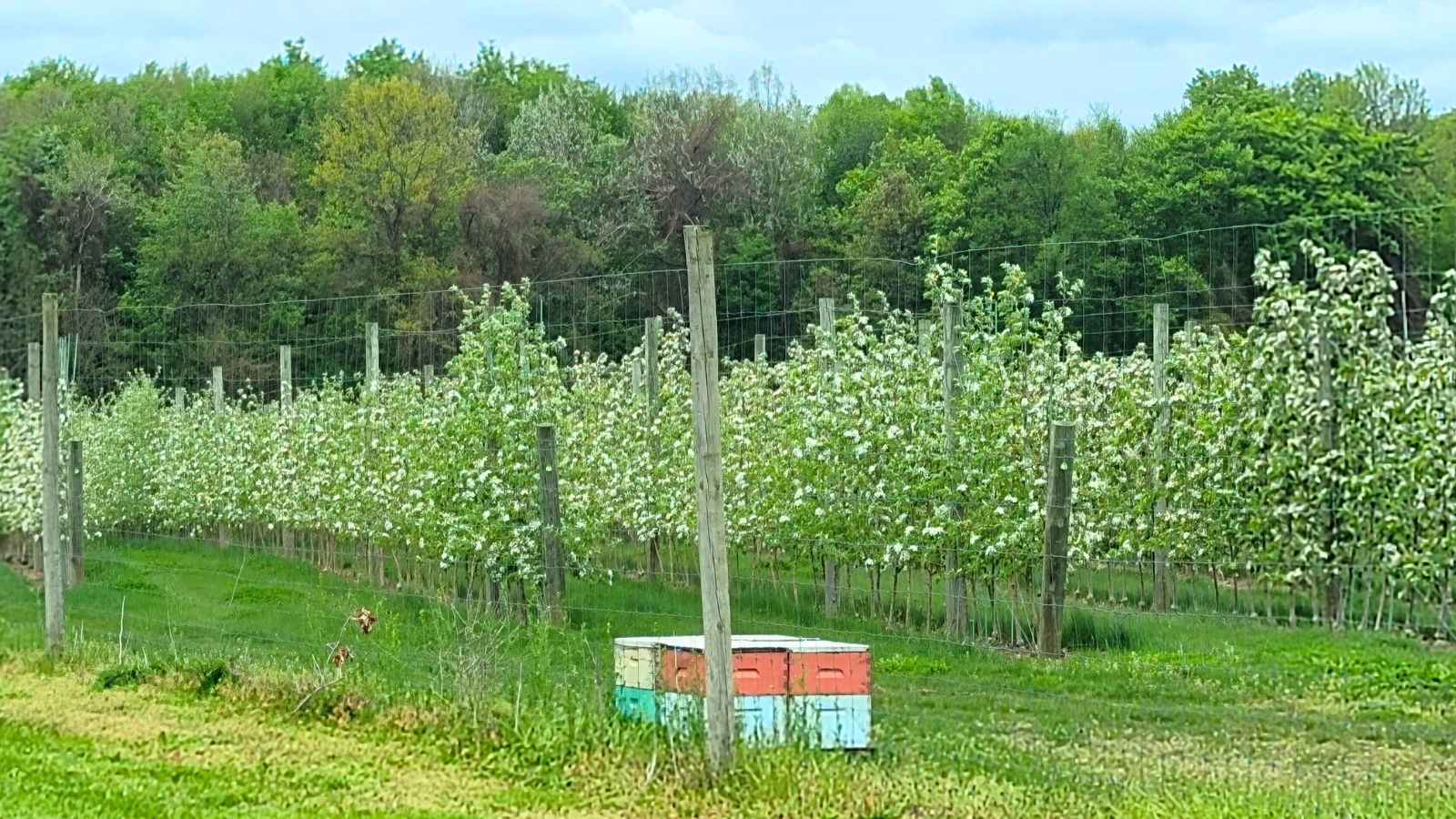
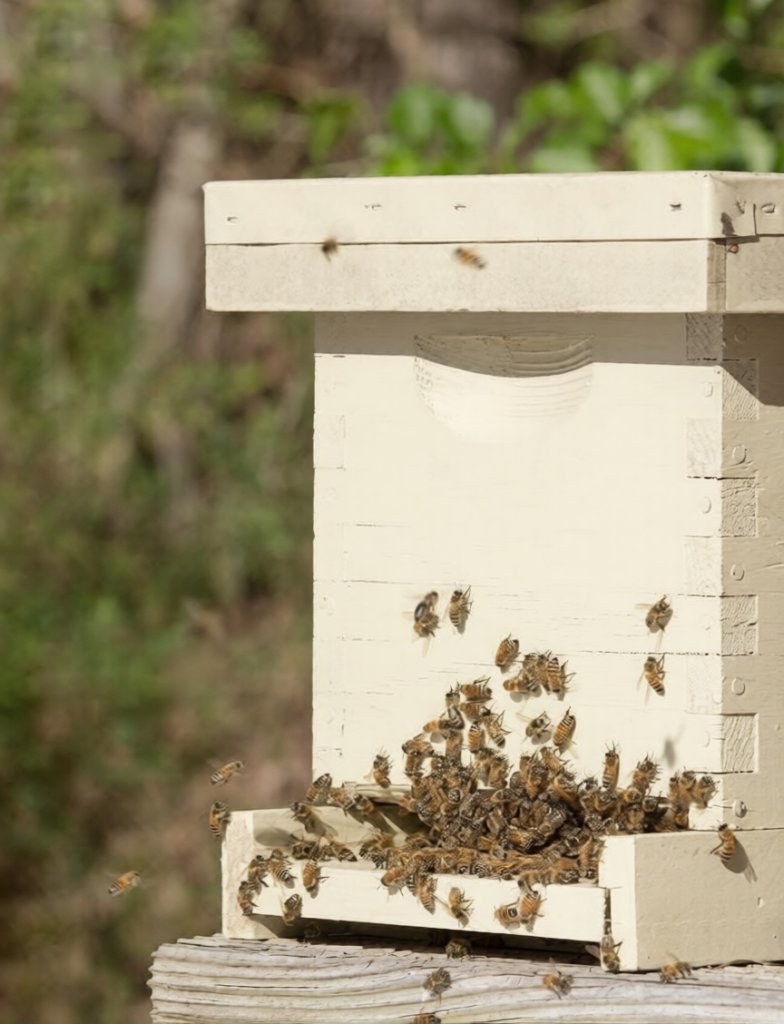
Beekeeping benefits go way beyond honey and garden pollination. It is a way to connect with nature and the land. It may also have some unexpected benefits for humans. Visit an orchard in bloom. Set a chair in the garden and watch the insects and birds. It’s a great way to relax.
You don’t need a full apiary setup. Just a chair in the garden.
Want to Get Started?
Try taking a beekeeping class, joining a community garden, or planting pollinator-friendly flowers in your yard. It’s a great way to support the ecosystem and yourself.
Want to learn more about bees? See our article: What Bees Really Need to Survive in Your Yard and check out The Buzz Beneath Solar Panels for this potentially beneficial concept.
🌿 Gear Up for a Bee-Friendly Garden
Contains affiliate links, for full disclosure, see FTC Disclosure, here.
Looking for tools that actually work?
We’ve pulled together our favorite picks for beekeeping, gardening, and pollinator-friendly seeds—everything you need to support bees and grow a thriving space.
Browse the full list on Amazon — all in one spot.