It’s easy to support pollinators, but only if you know what bees need to survive. Bees need more than just flowers—they also need shelter, clean water, and safe nesting spots. Here’s how to create a bee-friendly yard that does all of that.
Safe Shelter That Doesn’t Get Disturbed
Most native bees don’t live in hives. They nest in the ground, hollow stems, or old wood. When we tidy up too much, we take away their homes. Leave some bare soil where it won’t get walked on. Don’t rush to clean up stems and fallen branches because some bees are still inside, especially in spring. If you want to go a step further, set up a bee hotel in a dry spot. Just skip the cheap ones with tiny tubes that trap moisture.
Food Sources All Season Long
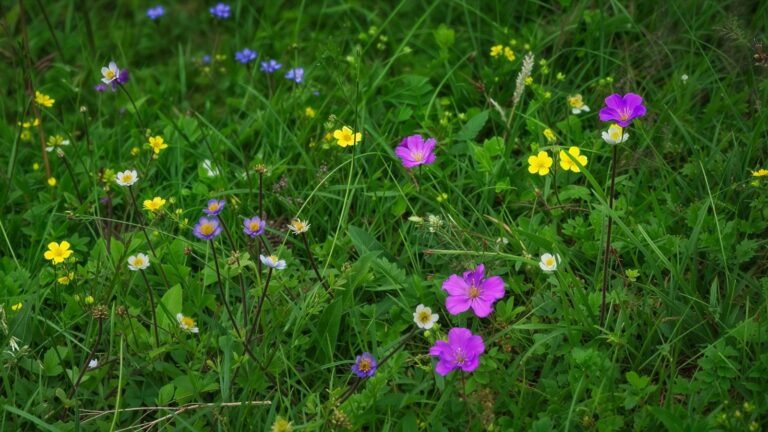
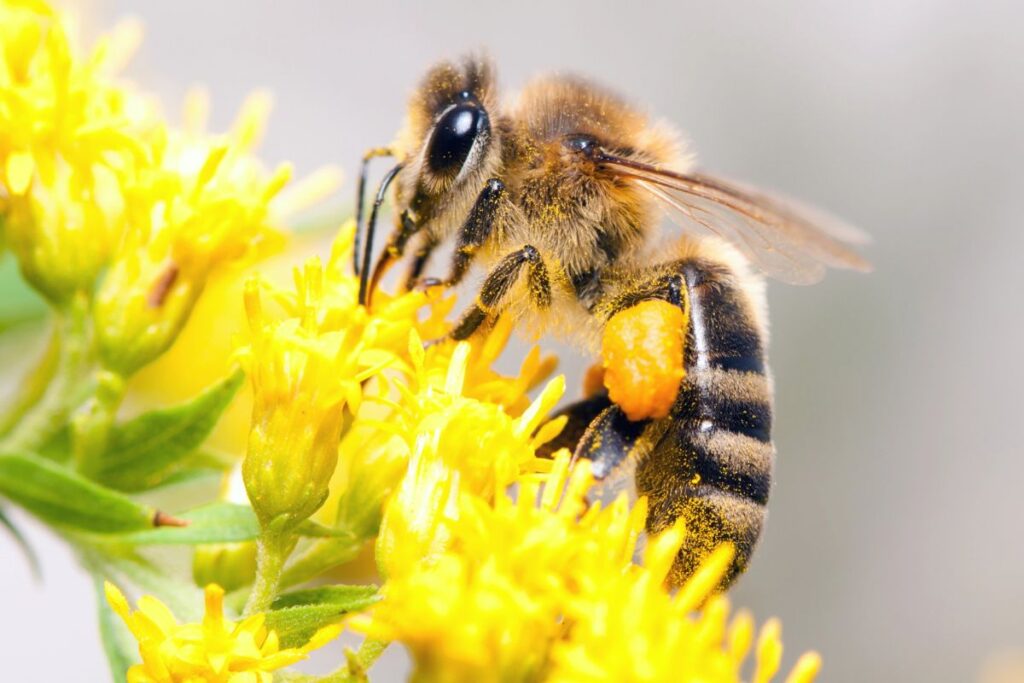
Bees don’t just need food in summer. They start flying early and keep going until the first hard frost. That means you’ll want to include plants that bloom in early spring and late fall, not just in the middle of the season. Mix in different shapes and sizes of flowers, as some bees prefer deep tubes, while others prefer flat clusters. Native wildflowers, such as goldenrod, aster, bee balm, and mountain mint, are good places to start.
Fresh, Accessible Water
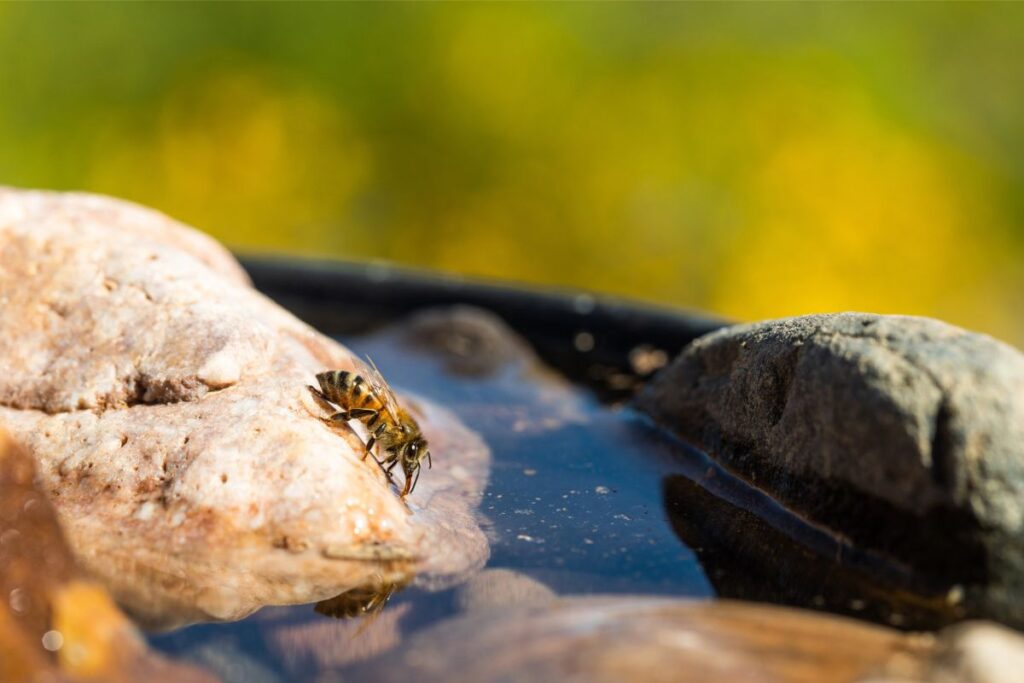
Bees need water to cool the hive, mix with pollen, and stay hydrated. A simple bowl with pebbles or corks gives them a safe landing spot. Keep it shallow and place it in a sunny, sheltered spot. Check often to make sure it hasn’t dried out or gone bad. This is especially helpful during dry spells when natural sources are scarce. Be sure to clean it often to avoid mosquito hatching.
No Poisons, Please
Pesticides are a big problem. Even those labeled “safe for bees” can still affect their behavior or weaken them. Avoid sprays whenever possible. If you have to treat a plant, do it in the evening when bees are less active and never when it’s blooming. Let predatory insects like ladybugs and birds handle the pests for you. A healthy mix of bugs usually balances itself out.
Room to Roam
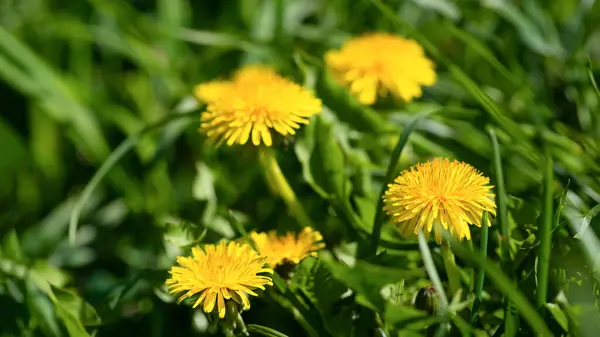
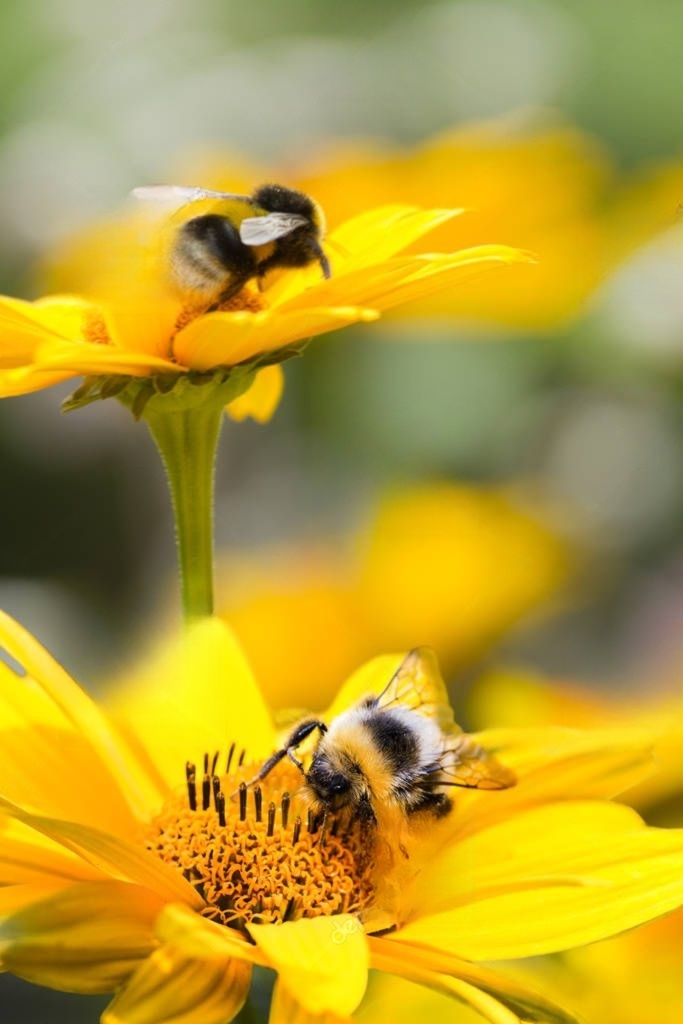
What bees need is space. Bees travel, but they don’t go as far as you might think, especially the small native ones. A patch of dandelions, clover, and violets in your lawn is more helpful than a tidy stretch of grass. You don’t need to turn your whole yard into a wildflower meadow. Just leave one area a little wild. That mess might be full of life.
Final Thought
Helping bees doesn’t have to mean starting a hive. It means looking at your space and thinking about what bees might find helpful. A shallow dish of water, a few native plants, and skipping one round of cleanup can go further than you’d think. Start small and let it grow.
If you want to help the bees, check out our article on No Mow May. Save yourself work and help the pollinators.
🌿 Gear Up for a Bee-Friendly Garden
Contains affiliate links, for full disclosure, see FTC Disclosure, here.
Looking for tools that actually work?
We’ve pulled together our favorite picks for beekeeping, gardening, and pollinator-friendly seeds—everything you need to support bees and grow a thriving space.
Browse the full list on Amazon — all in one spot.