When the first warm days roll in, it’s tempting to fire up the mower and clean up the yard. But waiting just a few weeks can make a big difference for pollinators. No Mow May is a growing movement that encourages people to press pause on mowing during May, giving early-season bees and other beneficial insects a much-needed boost.
Why May Matters
As soon as temperatures rise, pollinators begin to wake up. But many lawns, especially in suburban areas, don’t have much to offer. Without enough blooming plants around, these insects struggle to find the food they need to survive.
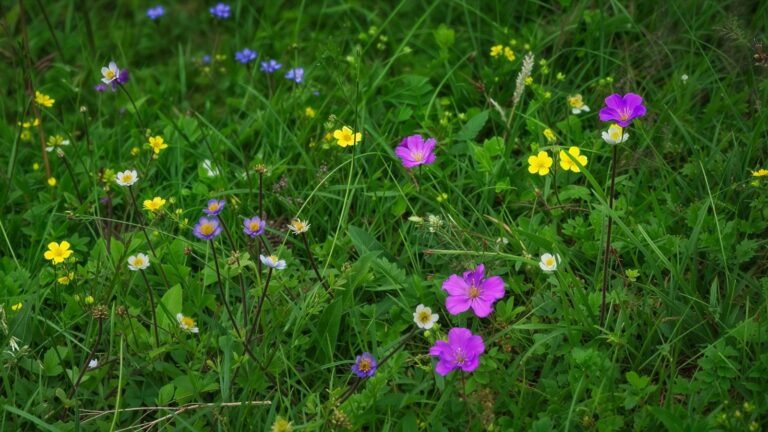
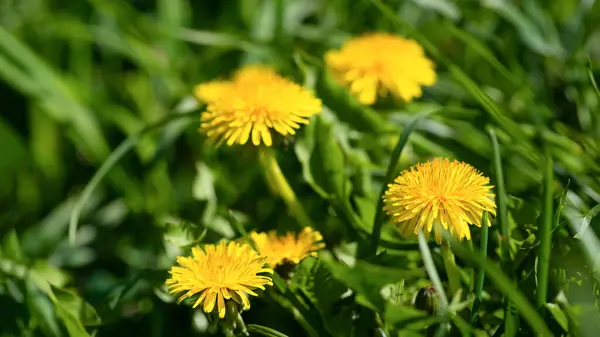
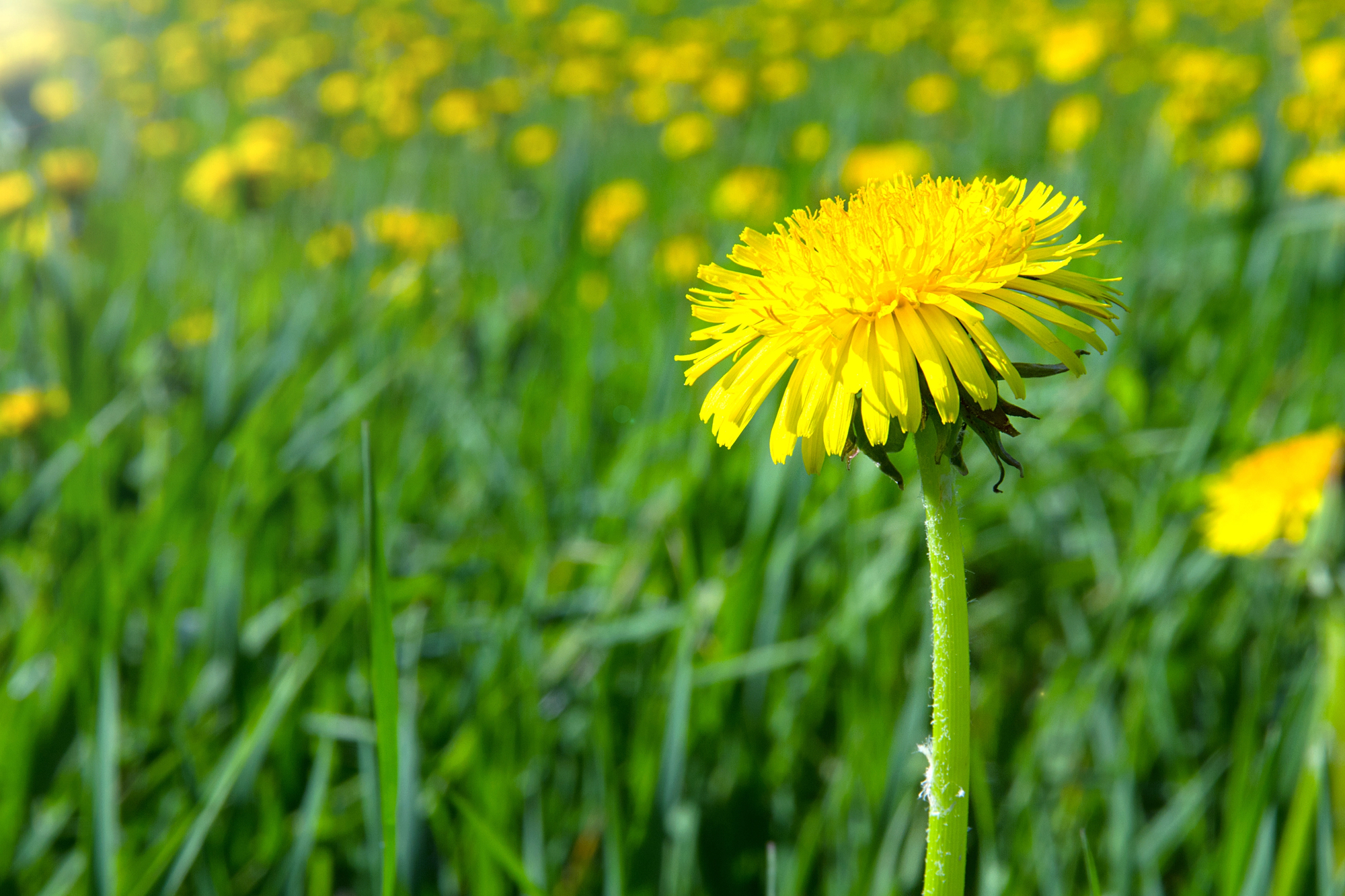
Holding off on mowing lets early blooms like dandelions, violets, and clover take center stage. These weedy wildflowers are often the first and only available food sources for native bees, butterflies, beetles, and even birds returning for summer. Mowing too soon cuts off that supply right when it’s needed most.
A Break That Benefits Everyone
Skipping the mower doesn’t just help bees. It gives a wide range of species a chance to thrive:
- Native bees need early nectar and pollen before summer flowers appear
- Solitary bees build nests in longer grass and hollow stems
- Butterflies use tall grass to lay eggs and hide from predators
- Ground beetles and other helpful insects prefer undisturbed soil
- Birds find more bugs and materials for their nests
Even your lawn benefits. Longer grass helps the soil stay cool and hold moisture. Native plants may pop up on their own, adding more color and life to your space.
It Doesn’t Have to Be the Whole Yard
This movement isn’t all-or-nothing. You don’t have to turn your whole yard into a meadow. Just skip mowing one patch, maybe along a fence, under a swing set, or in the back corner. Even a small section makes a difference. Pollinators aren’t picky. They’ll use whatever space they can find.
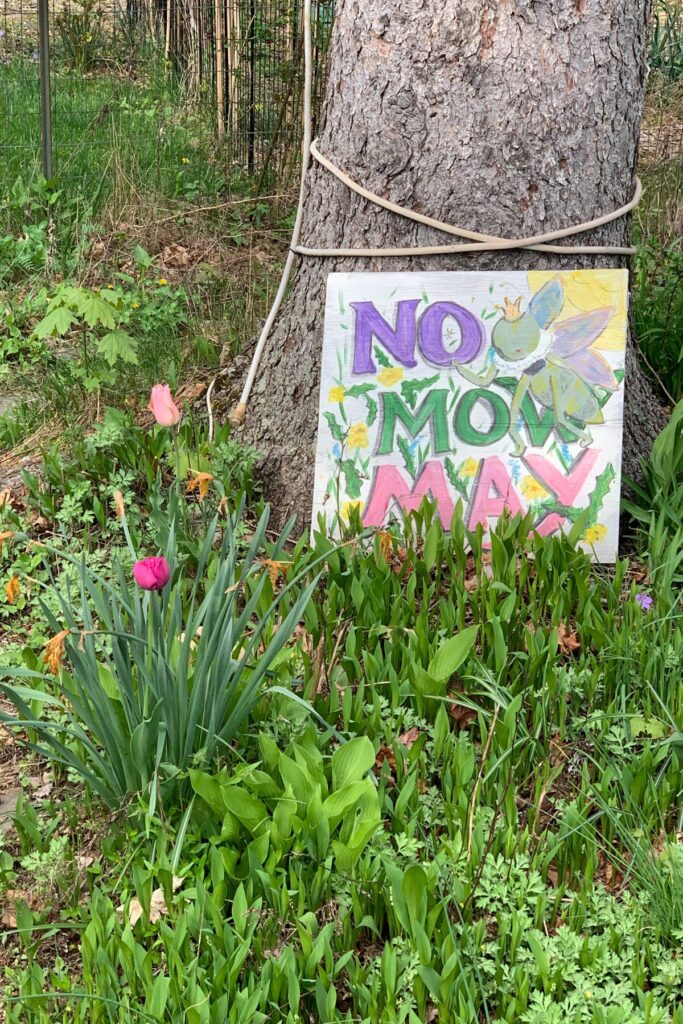
If you’re concerned about how it looks or worried about neighborhood rules, mow a clean edge around your no-mow zone. It helps the space look intentional and cared for. You can also put up a simple sign explaining what you’re doing. That little gesture can spark curiosity and even encourage someone else to join in.
Tips to Try No Mow May
- Leave at least one part of your lawn unmowed for the month
- Let flowers like clover, violets, and dandelions bloom freely
- Add a bee bath or shallow water dish nearby
- Plan for long-term pollinator plants if you’re ready for more
- Use signs to share the message with neighbors and passersby
More Than Just a Trend
No Mow May is a great first step, but it’s just one piece of the puzzle. Adding native plants, reducing chemical use, and offering shelter and water can turn your yard into a true haven for pollinators year-round. You don’t have to give up your lawn. You just have to think about using it a little differently.
And here’s the bonus: doing nothing saves you time. Skip a few weekends of mowing and instead watch your yard come to life. You might spot bees you’ve never seen before. More birds might visit. Your kids or grandkids might point out wildflowers you didn’t plant but are happy to see.
Amy’s Inspiration
This post was inspired by Amy O’Connor Walker, a bee expert and advocate for native species. Her work reminds us that small changes in familiar spaces can lead to real impact. Thanks, Amy, for helping us see lawns through a different lens.
This May, let nature take the lead. Skip the mower. Save the bees. And show your neighborhood that a lawn doesn’t have to be perfect to be powerful.
Click for our FREE printable pdf for a yard sign to explain No Mow May.
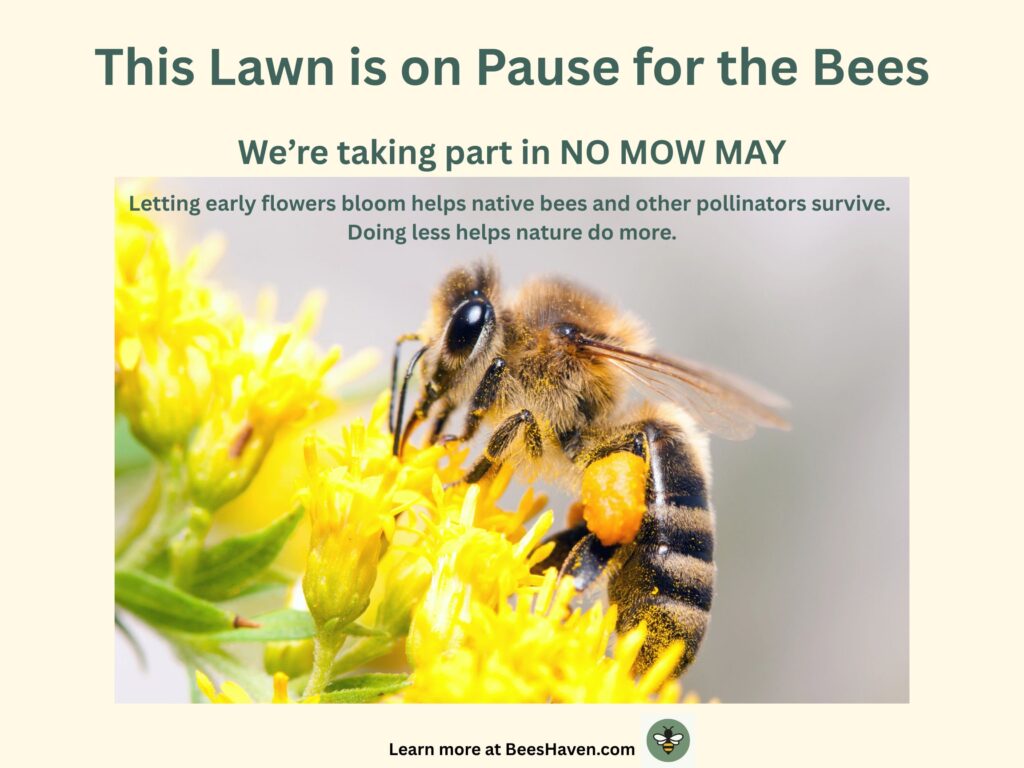
Printable Neighborhood flyer to hand out to neighbors to get them excited about No Mow May, too!
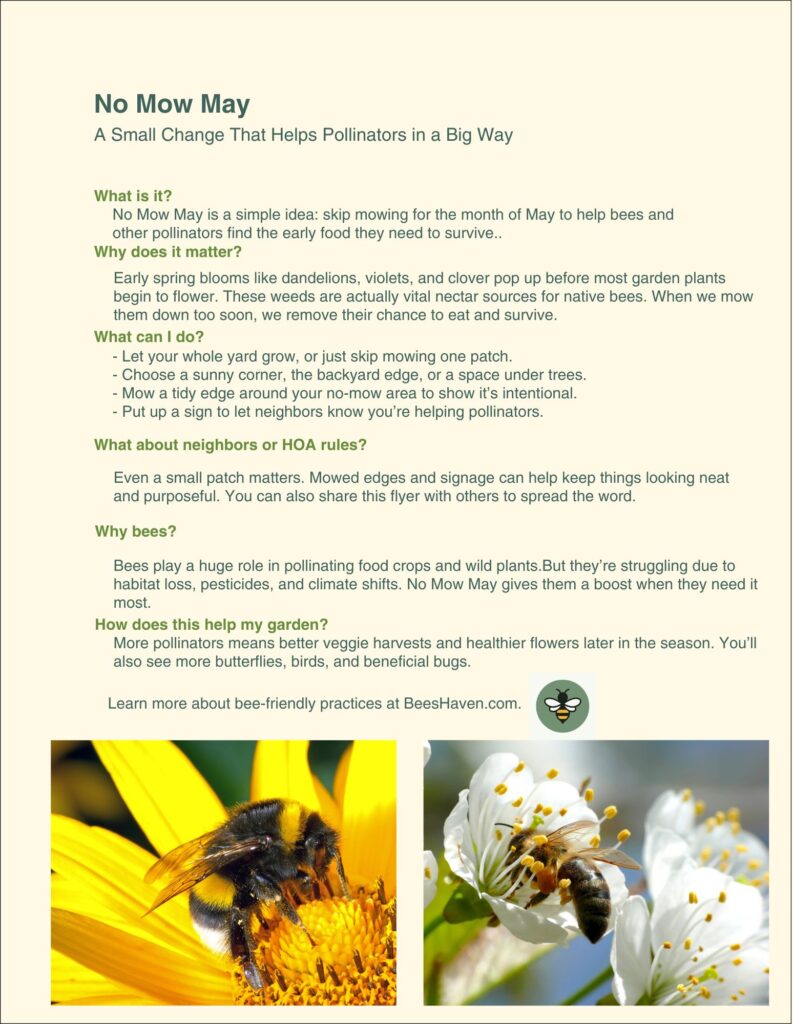
Learn more about What Bees Need here.
🌿 Gear Up for a Bee-Friendly Garden
Contains affiliate links, for full disclosure, see FTC Disclosure, here.
Looking for tools that actually work?
We’ve pulled together our favorite picks for beekeeping, gardening, and pollinator-friendly seeds—everything you need to support bees and grow a thriving space.
Browse the full list on Amazon — all in one spot.