
The idea originated in the UK and was adopted in Wisconsin in 2020 by a biology professor at Lawrence University. The idea caught on fast. People stopped mowing and let early flowers grow so bees had something to eat when little else was blooming. Now there are 5 full seasons of real-world results to look at.
More Bees Showed Up
In many places, people noticed more bees within weeks. These were not just honey bees. Native bees, especially the small ground-nesting types, became more visible. Butterflies, grasshoppers, and other insects also increased, and in some areas, birds followed the food.
Research out of Wisconsin helped put numbers behind what people were seeing. In one study, unmowed lawns supported five times as many bees and three times as many species as regularly mowed areas. That kind of jump is hard to ignore, especially for something as simple as skipping the mower for a few weeks.
Other studies looking at reduced mowing found similar trends. When lawns are cut less often, more flowers bloom, and insect activity increases right along with them.
Why Timing Matters
Timing is everything with this idea. Many native bees emerge early in the season, often before gardens and landscape plants are in full bloom.
Without early flowers, these bees have very few options. A lawn that is usually cut short can suddenly become one of the only food sources available in the neighborhood.
Even a few weeks of bloom can help bridge that gap and support bee populations as the season builds.
Lawns Changed Faster Than Expected
What surprised many people was how fast lawns responded. Most yards already contain a mix of flowering plants, but regular mowing keeps them from ever blooming. Once mowing stopped, those plants took advantage of the break.
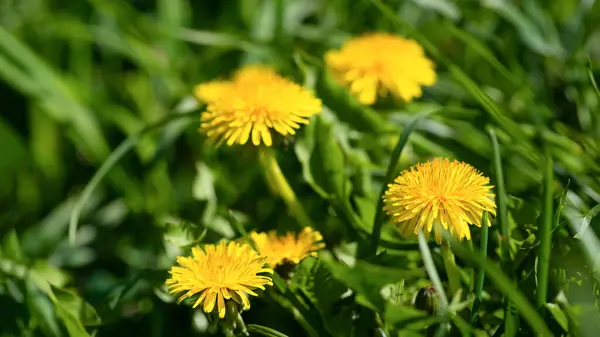
Clover is one of the biggest contributors. It stays low enough to survive mowing but quickly flowers when left alone. Dandelions and violets also filled in, creating a patchwork of blooms that lasted through much of the month.
This is important because early spring is a tough time for pollinators. Trees like maples provide pollen, but nectar sources can be limited at ground level. Letting lawns grow helps fill that gap.
Not Everyone Was On Board
Some of the concerns were practical. Taller grass can retain moisture, raising questions about ticks in certain regions. While research is mixed on how much this actually changes tick risk, the concern alone was enough to deter some people.
There were also issues with local rules. Some towns had to temporarily relax height restrictions, while others enforced them as usual. This created confusion about what was allowed and where.
In neighborhoods with strict expectations, even a short break from mowing stood out.
Towns Started Adjusting
After seeing how it played out, some communities made changes. A few extended the idea beyond May, while others promoted smaller pollinator patches instead of full lawns. This helped keep some structure while still supporting insects.
Lawns Recovered Quickly
When mowing started again in June, most lawns bounced back faster than expected. Within a few weeks, many looked like they had before. The difference is that those early flowers had already done their job by feeding pollinators at a critical time.
Better Than All or Nothing
One of the biggest takeaways is that it does not have to be all or nothing.
A full month without mowing works well in some places, but smaller changes can still help. Leaving a strip along a fence, allowing part of the yard to flower, or even delaying the first mow can all provide benefits.
These smaller steps are often easier to stick with and can avoid conflicts with neighbors or local rules.
What Experts Are Saying Now
Groups like Xerces Society and Bee City USA still support reducing mowing, but they have started to shift the message.
Instead of focusing only on one month, the emphasis is now on longer-term changes. That can include mowing less often, planting low-growing flowering species, or converting part of a lawn into a pollinator area.
The idea is not just to pause mowing, but to rethink how lawns are used overall.
What This Means Going Forward
The biggest takeaway is simple. Even a short break from mowing can make a difference. When many people take part, the impact adds up across an entire area.
There Was a Financial Upside Too
One part that does not get talked about enough is cost.
Mowing less often saves money. That applies to both homeowners and municipalities.
For homeowners, it means less fuel, less wear on equipment, and less time spent maintaining a lawn. Over a full season, even skipping a few cuts can add up.
For towns and cities, the savings are much bigger. Some parks departments reported cutting their mowing schedule from around 15 times per season to 10 in certain areas. That reduction means fewer labor hours, lower fuel use, and less strain on equipment.
Those savings can be redirected to other projects, including planting pollinator habitats or more intentionally maintaining public green spaces.
There is also a hidden benefit. Fewer mowing passes mean lower emissions and less noise, which improves the overall environment in ways people notice right away. In other words, helping pollinators did not just support the ecosystem. In many cases, it also made financial sense.
What You Can Try This Year
You do not need to stop mowing your entire yard to help. Letting a section grow, allowing early flowers to bloom, or creating a small pollinator patch can all support bees. Keeping a few mowed paths can also make the space look more intentional and easier to manage.
What started as a simple idea turned into something bigger. It showed how quickly nature responds when given even a small window to recover.
For more background on how this started, see our article No Mow May.
🌿 Gear Up for a Bee-Friendly Garden
Contains affiliate links, for full disclosure, see FTC Disclosure, here.
Looking for tools that actually work?
We’ve pulled together our favorite picks for beekeeping, gardening, and pollinator-friendly seeds—everything you need to support bees and grow a thriving space.
Browse the full list on Amazon — all in one spot.