
Sustainability isn’t about perfection or giving up modern life. It’s about noticing how your choices affect the small world just outside your door and making those choices count. Every step you take to create a healthier habitat helps bees, butterflies, birds, plants, soil, and everything else.
A pollinator-friendly yard already checks many sustainability boxes. It has less lawn to mow. It welcomes native plants that belong in your region. It leaves space for the small things people often clear away. It runs on fewer chemicals and produces less waste. Most importantly, it’s alive with movement and sound.
Choose Plants That Give Back
Native plants are the foundation of a sustainable yard. They’ve adapted to local rainfall patterns, pests, and soil types, which means they need less water and almost no pesticides. A single stand of goldenrod or bee balm can feed dozens of pollinator species over its bloom period. Deep-rooted natives improve soil health and reduce runoff.
Create Space for Nesting and Shelter
Many pollinators need more than flowers. They also need a safe place to rest, nest, and overwinter. Bare patches of soil help ground-nesting bees. Hollow stems left standing through winter shelter beneficial insects. Small brush piles can become valuable cover for predators like toads and birds, which help keep pest populations in check naturally.
Compost Smarter, Not Harder
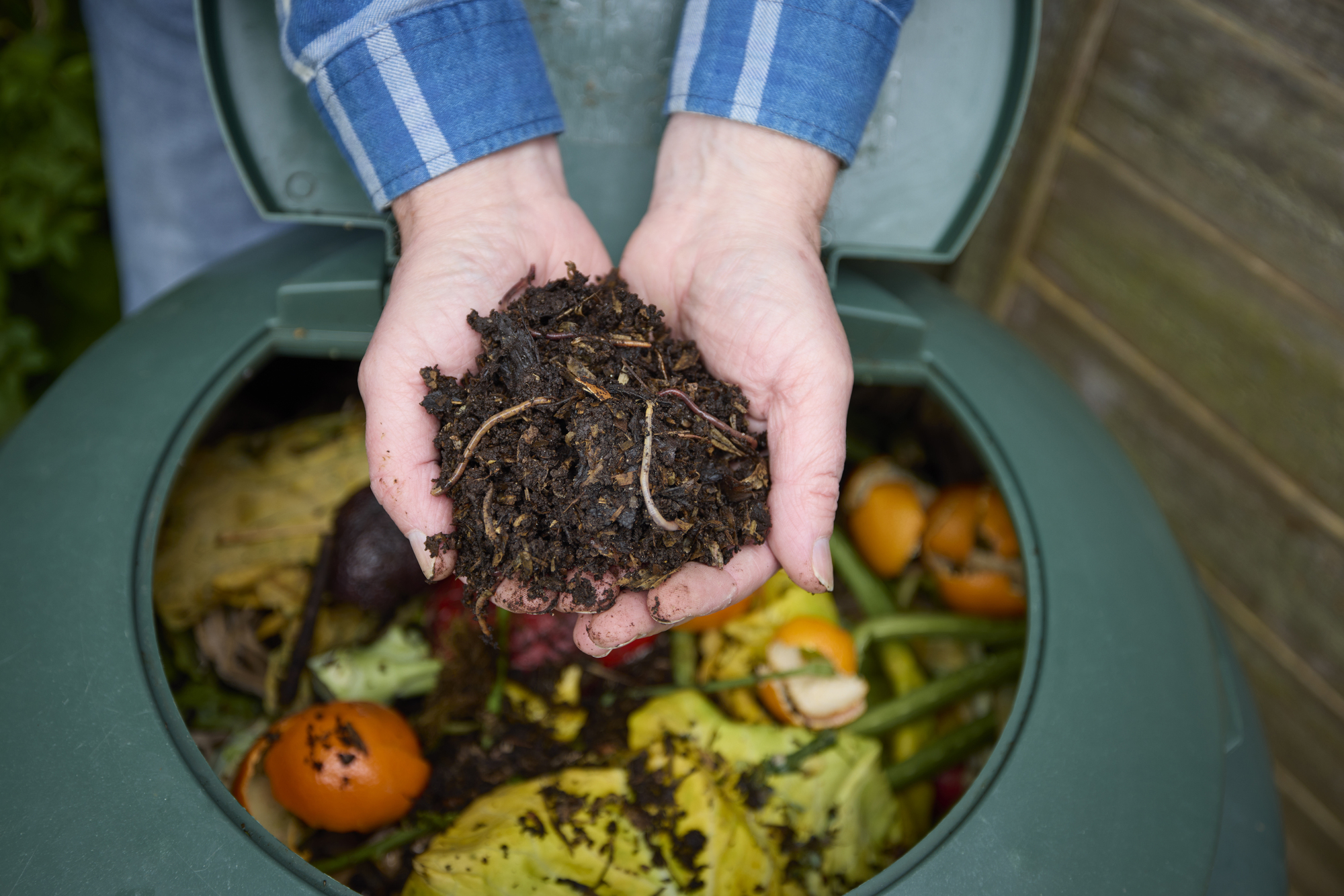
Composting keeps organic waste out of landfills and returns nutrients to your garden. You don’t need an expensive bin or complicated system. A simple pile of leaves and kitchen scraps can work if you balance green (wet) and brown (dry) materials. Don’t use meat, dairy, and oily foods to avoid attracting pests.
Make Simple Swaps
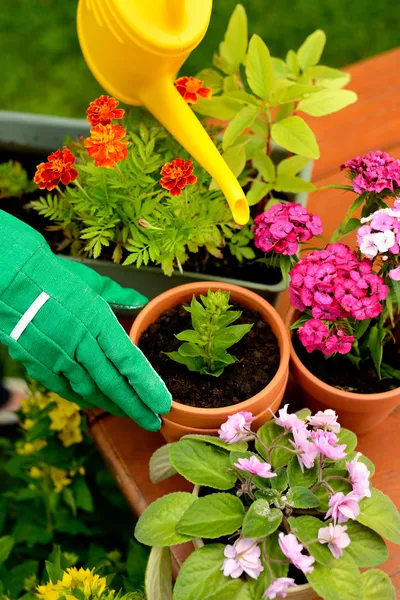
Small changes add up. Collect rainwater in barrels for garden use. Swap synthetic mulch for leaves or wood chips to feed soil life. Choose hand tools over gas-powered equipment to save fuel and reduce noise pollution that can disturb wildlife. Even planting in upcycled containers reduces the demand for new materials.
Think in Seasons
A yard that feeds pollinators from early spring to late fall is a sustainable one. Aim for a continuous bloom sequence by planting early-flowering willows and maples, midsummer favorites like milkweed and coneflower, and fall nectar sources like asters and goldenrod. The more consistent your resources, the more pollinator species your yard can support.
Sustainability doesn’t have to be difficult. No guilt, no pressure. Just small changes that make sense, for you and for the pollinators. See our article for the Ultimate Guide to Bee-Friendly Living for more inspiration.
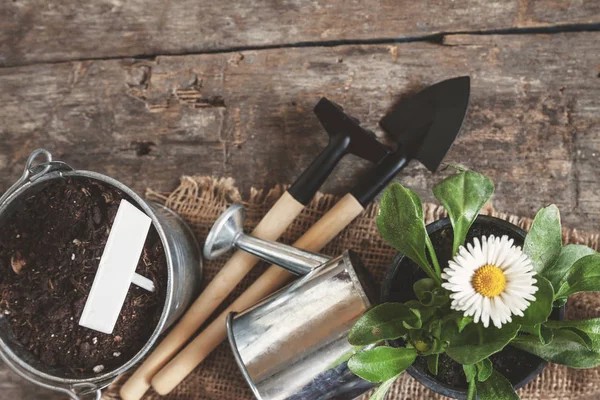
Not sure how to get started planting? Our essential gardening tools guide walks you through the must-haves to make planting easier and faster.
🌿 Gear Up for a Bee-Friendly Garden
Contains affiliate links, for full disclosure, see FTC Disclosure, here.
Looking for tools that actually work?
We’ve pulled together our favorite picks for beekeeping, gardening, and pollinator-friendly seeds—everything you need to support bees and grow a thriving space.
Browse the full list on Amazon — all in one spot.