You don’t need a huge garden to help pollinators. Just a few well-chosen flowers can give native bees, honeybees, and butterflies the food and shelter they need. These flower seeds are easy to grow, good for your local bees, and available to order right now.
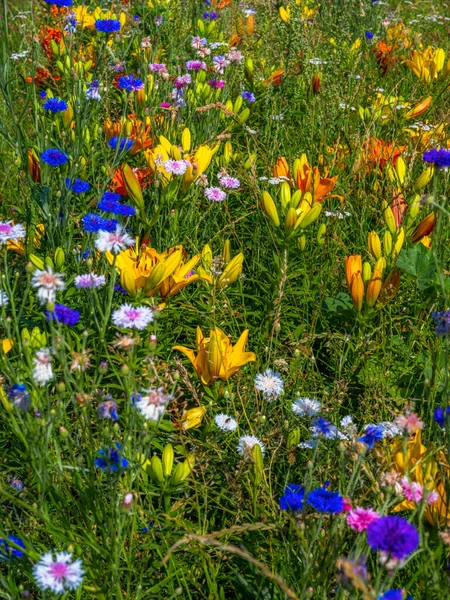
Each one includes a quick note on why it’s helpful, add the ones that fit your space, and plant them wherever you’ve got dirt and sun.
Contains affiliate links; for full disclosure, see FTC Disclosure, here.
1. Borage (Borago officinalis)
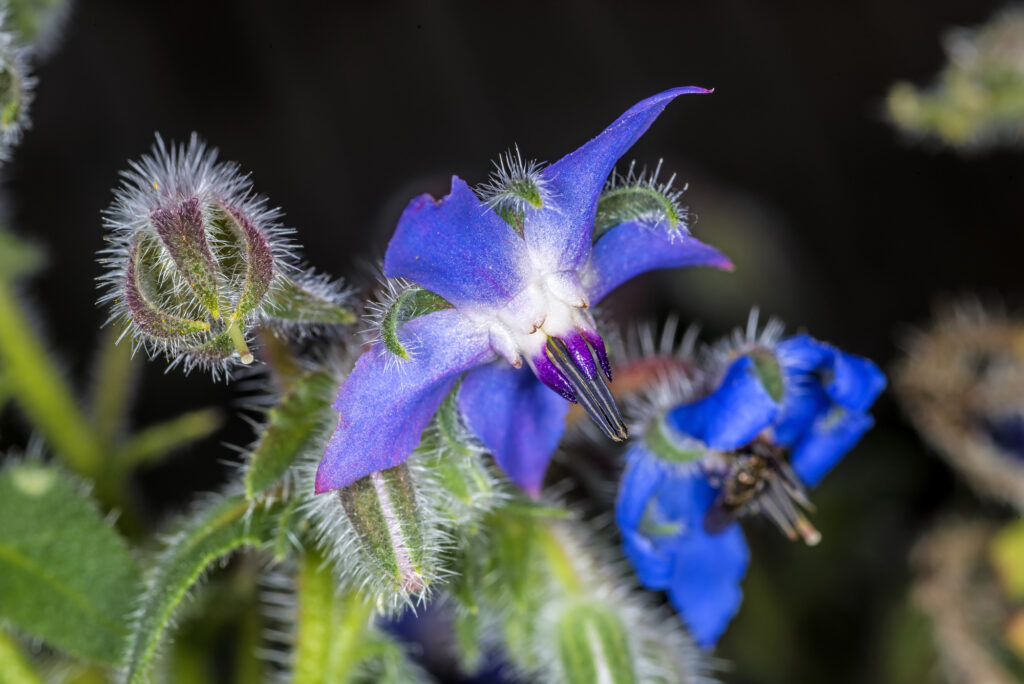
Bees go wild for the star-shaped blue flowers, and they bloom over a long season. Bonus? The whole plant is edible. Borago officinalis. (I earn a commission if you buy through these affiliate links, at no extra cost to you.)
2. Calendula (Calendula officinalis)
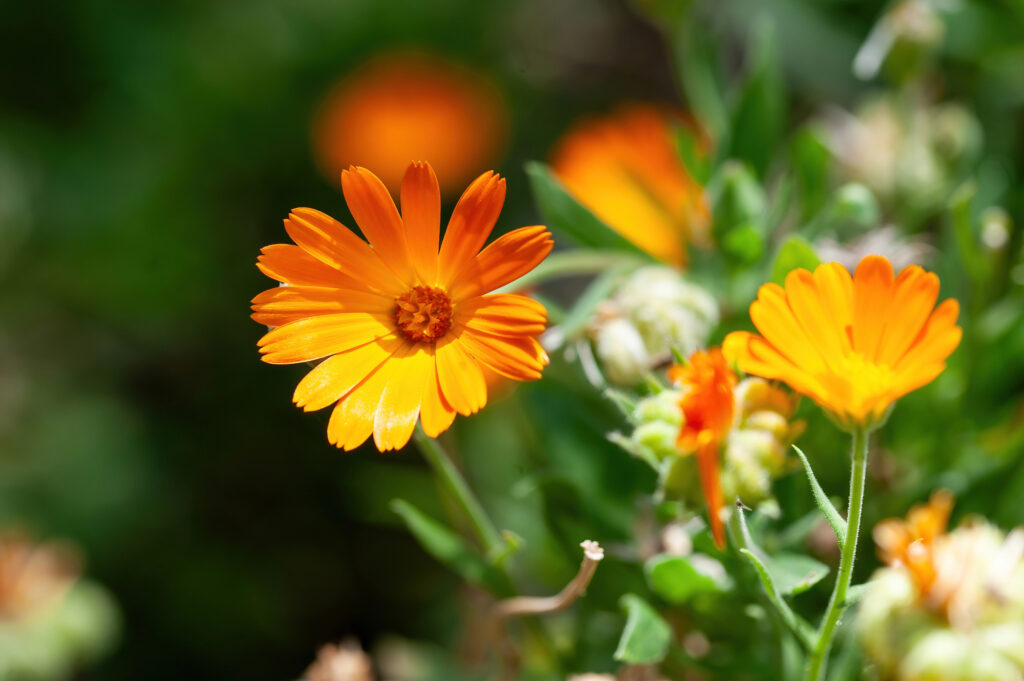
Bright, cheerful, and blooming fast, calendula is a favorite of both native bees and hoverflies.
Calendula officinalis
3. Bee Balm (Monarda spp.)
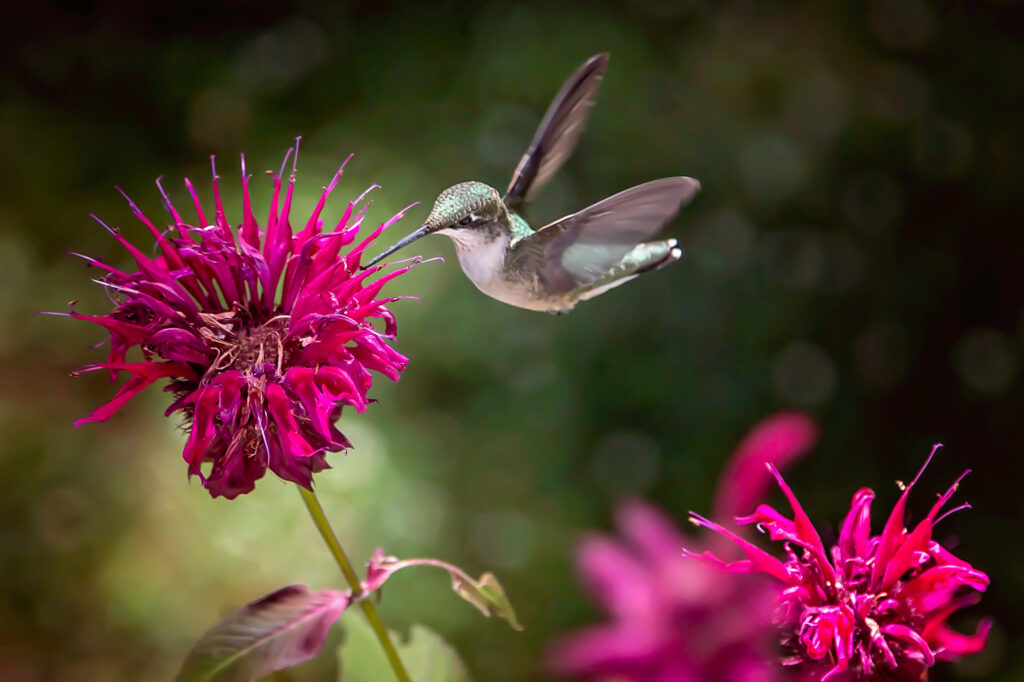
The tube-shaped flowers make this native a top choice for bumblebees and hummingbirds. Prefers full sun and spreads over time.
Monarda spp.
4. Purple Coneflower (Echinacea purpurea)
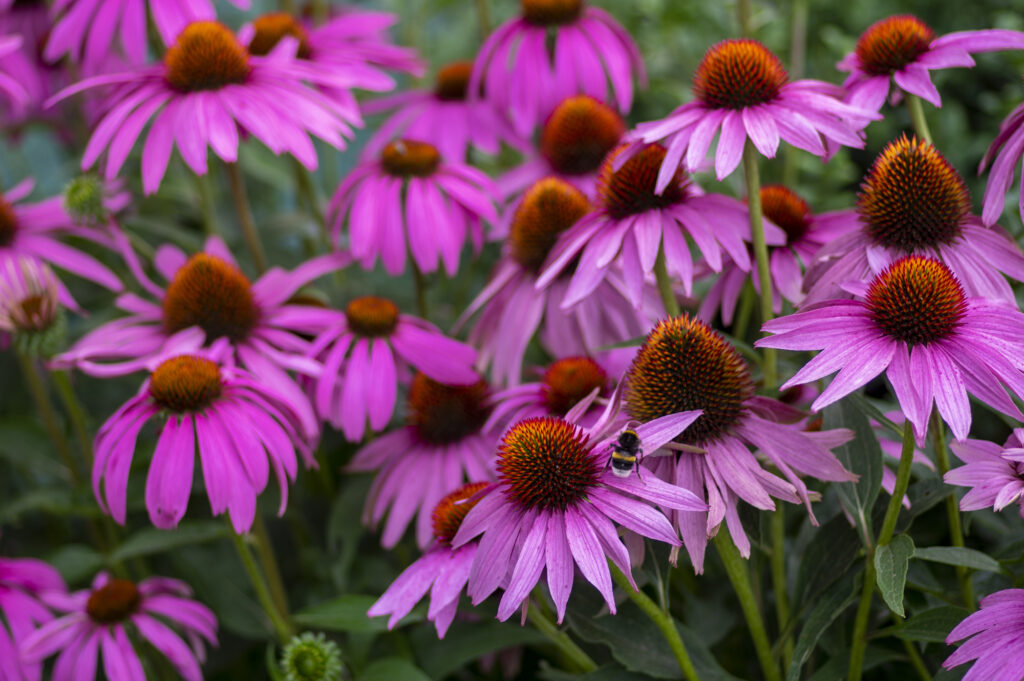
Strong stems, long bloom time, and lots of pollen make this one a bee magnet. Great in drought-prone gardens.
Echinacea purpurea
5. Blanket Flower (Gaillardia spp.)

This hardy bloomer thrives in poor soil and gives bees easy landing pads with wide-open flowers.
Gaillardia spp.
6. Black-Eyed Susan (Rudbeckia hirta)

Late-summer blooms continue to provide food when other flowers fade. A solid native pick.
Rudbeckia hirta
7. Anise Hyssop (Agastache foeniculum)

Bees line up for the spiky purple flowers. Also makes a great tea plant.
Agastache foeniculum
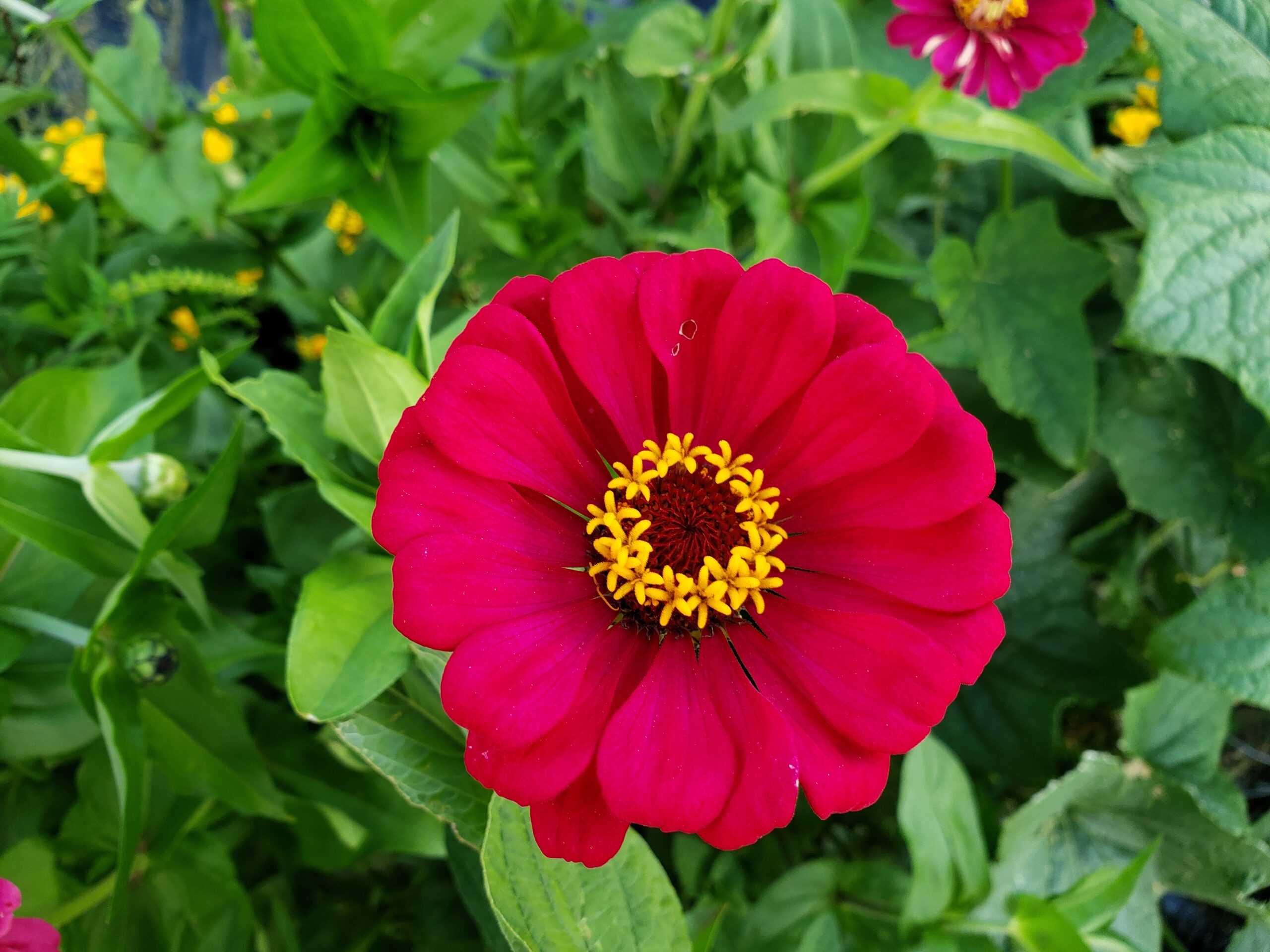
8. Zinnias (Zinnia elegans)
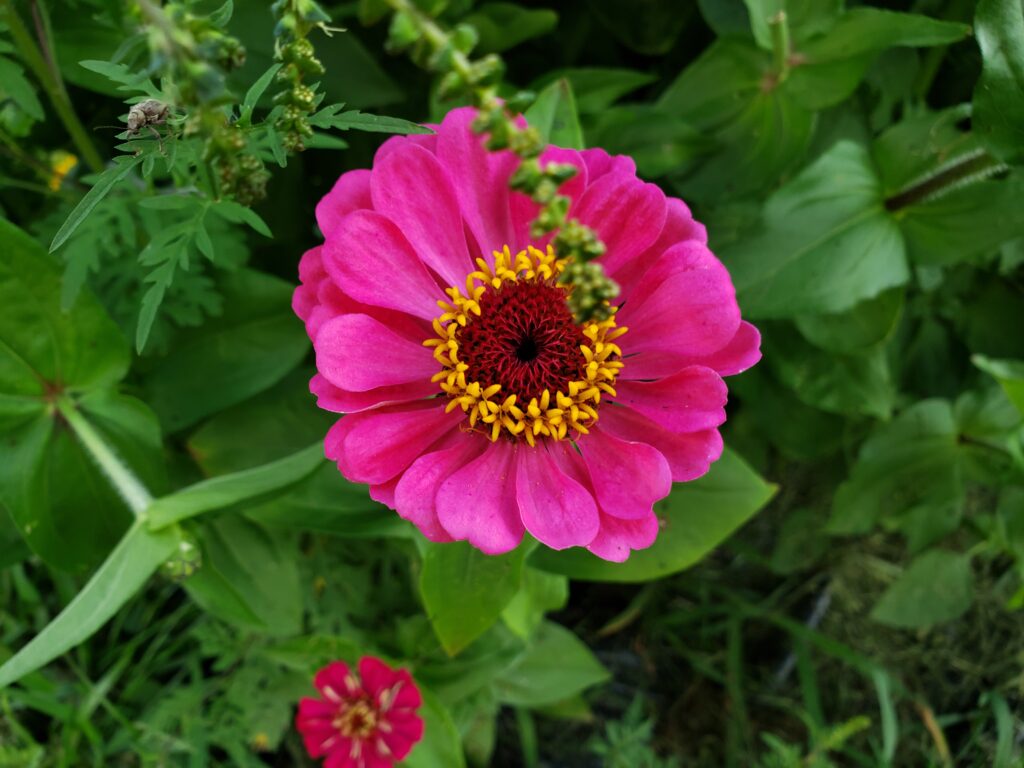
Not native, but super bee-friendly. Look for single-flower types so bees can reach the nectar.
Zinnia elegans
9. Cosmos (Cosmos bipinnatus)
Easy to grow, drought-tolerant, and full of pollen. Keep deadheading for non-stop blooms.
Cosmos bipinnatus
10. Coreopsis (Coreopsis spp.)

This one blooms like crazy and supports lots of smaller native bee species.
Coreopsis spp.
11. Nasturtiums (Tropaeolum majus)
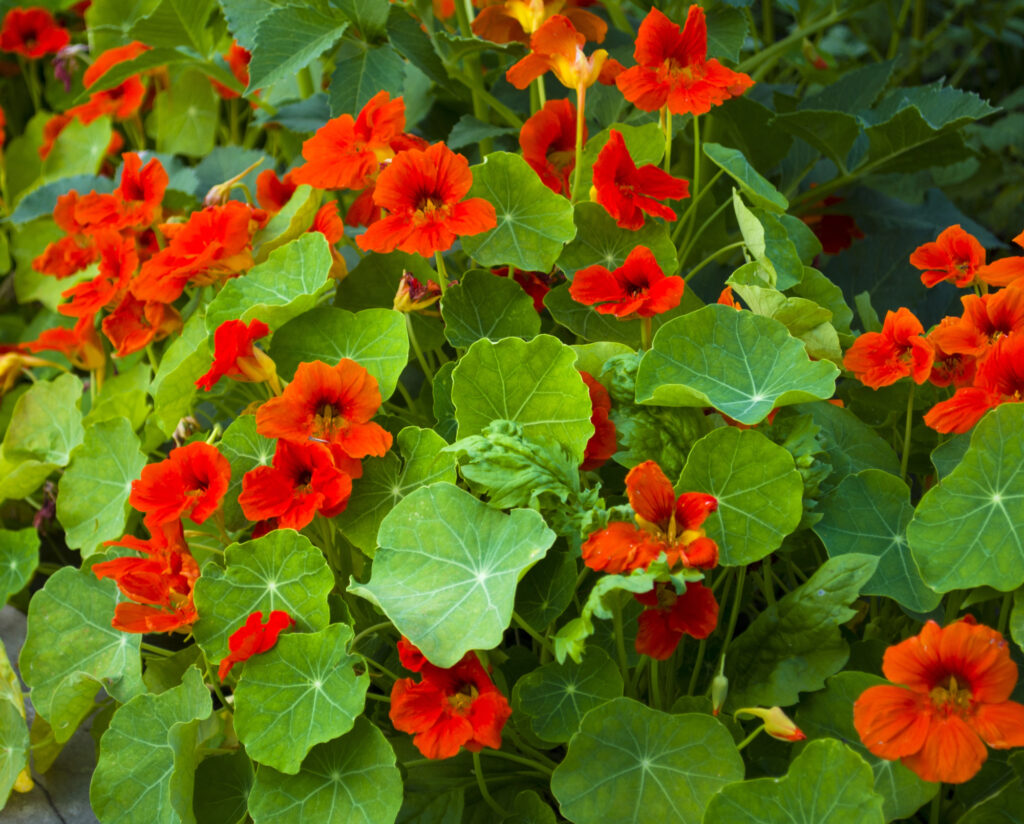
Another edible pick with nectar-rich flowers. Perfect for containers and small beds.
Tropaeolum majus
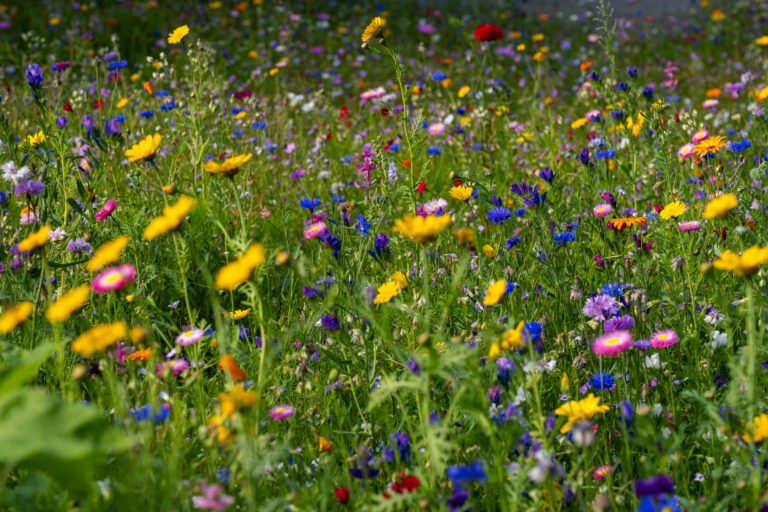
12. Wildflower Seed Mix
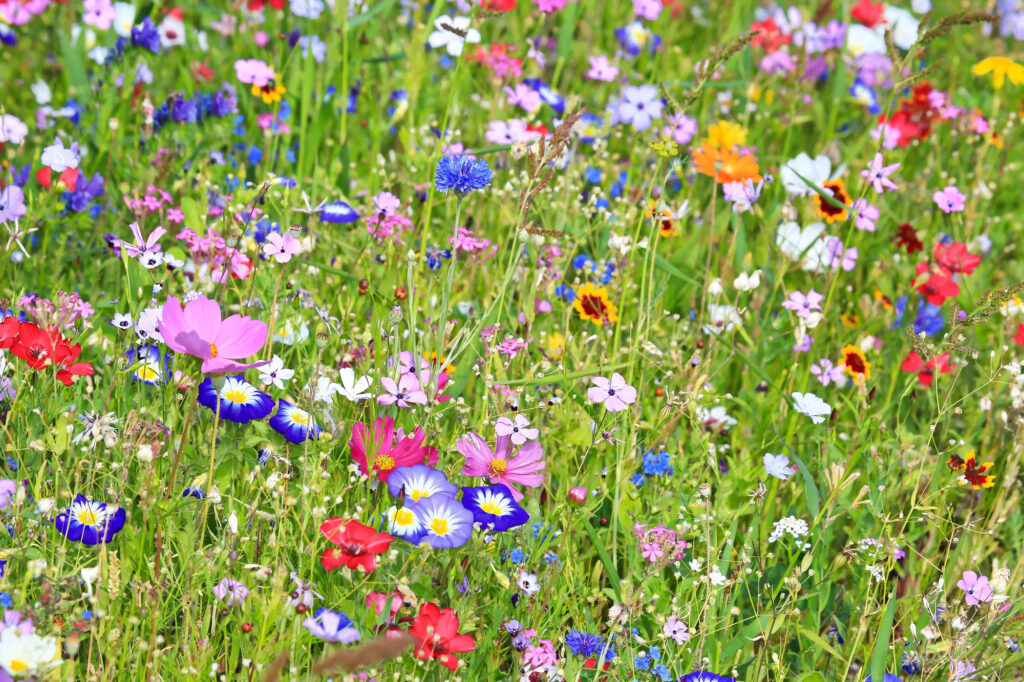
Look for a regional mix with native flowers. They’ll support local bees better than generic blends.
Various native species, depending on region seeds
Want More?
If you’re not sure where to start, try mixing early bloomers (like borage) with late-season anchors (like black-eyed Susan). And remember, don’t forget to skip the sprays. Flowers only help if they’re safe to land on.
Want more beautiful flowers for your garden this year? See our article on 20 Native Wildflower Seeds to Sow Before Winter.
Contains affiliate links, for full disclosure, see FTC Disclosure, here.
🌿 Gear Up for a Bee-Friendly Garden
Contains affiliate links, for full disclosure, see FTC Disclosure, here.
Looking for tools that actually work?
We’ve pulled together our favorite picks for beekeeping, gardening, and pollinator-friendly seeds—everything you need to support bees and grow a thriving space.
Browse the full list on Amazon — all in one spot.