Nature drops seeds in the fall, and gardeners can copy that trick. Planting native wildflower seeds now sets the stage for stronger blooms and more food for pollinators next year.
Lupine (Lupinus spp.)

Cold stratification helps lupine seeds break dormancy. Their flower spikes attract both bees and butterflies.
Lupinus perennis. (This page contains affiliate links. I may earn a commission if you purchase through them.)
Penstemon (Penstemon spp.)

These tough perennials handle poor soils. Early blooms give spring pollinators a head start.
Penstemon spp.
Bee Balm (Monarda fistulosa)

Also called wild bergamot, bee balm’s aromatic flowers are magnets for bumblebees and hummingbirds.
Monarda fistulosa.
Aster (Symphyotrichum spp.)

Late-blooming asters provide nectar when other flowers fade. Fall sowing ensures healthy plants.
Symphyotrichum novae-angliae.
Goldenrod (Solidago spp.)

A critical late-season nectar source. Cold weather boosts seed germination.
Solidago spp.
Blazing Star (Liatris spicata)
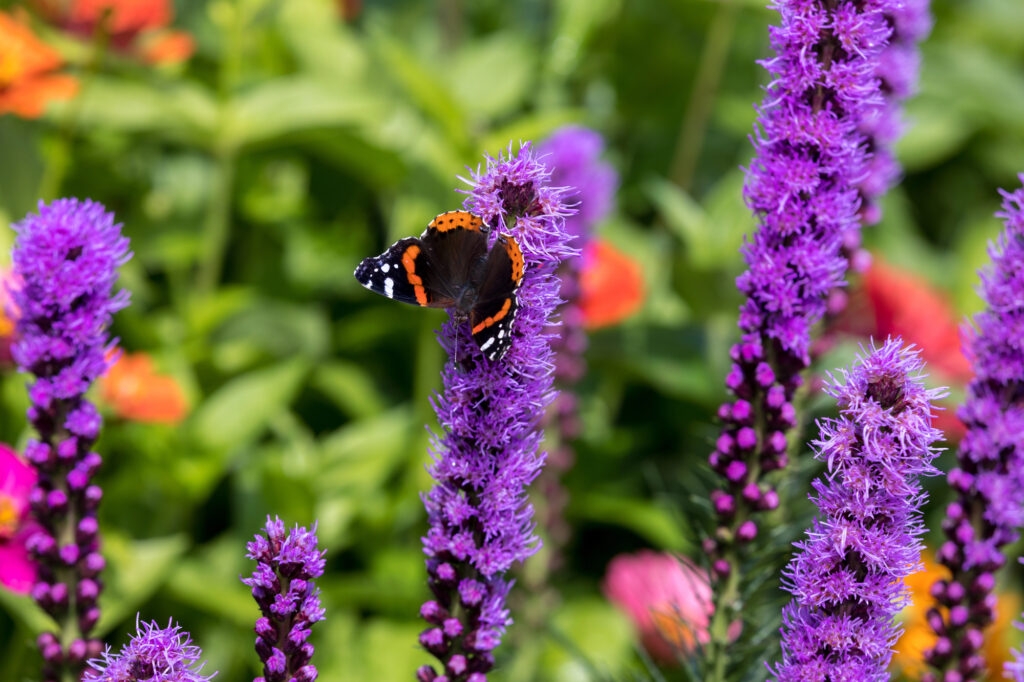
Tall spikes of purple flowers bloom mid- to late summer. Seeds sprout best after a winter chill.
Liatris spicata.
Prairie Clover (Dalea spp.)
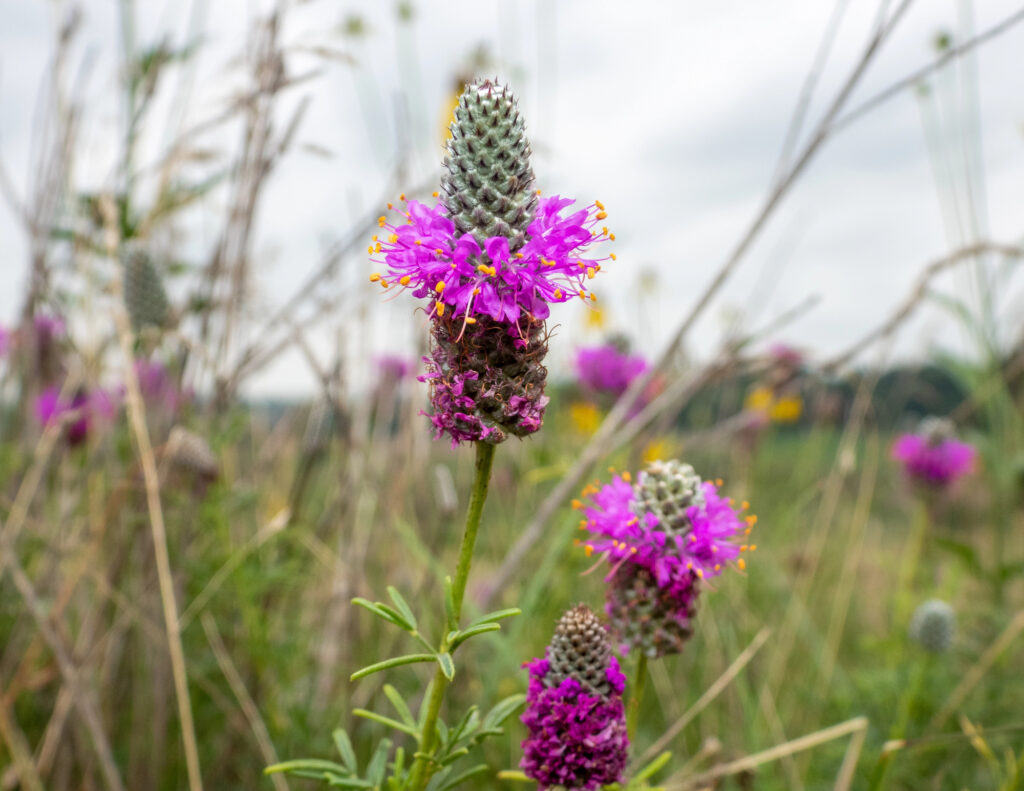
These native legumes enrich soil and provide nectar for bees.
Dalea spp.
Purple Coneflower (Echinacea purpurea)
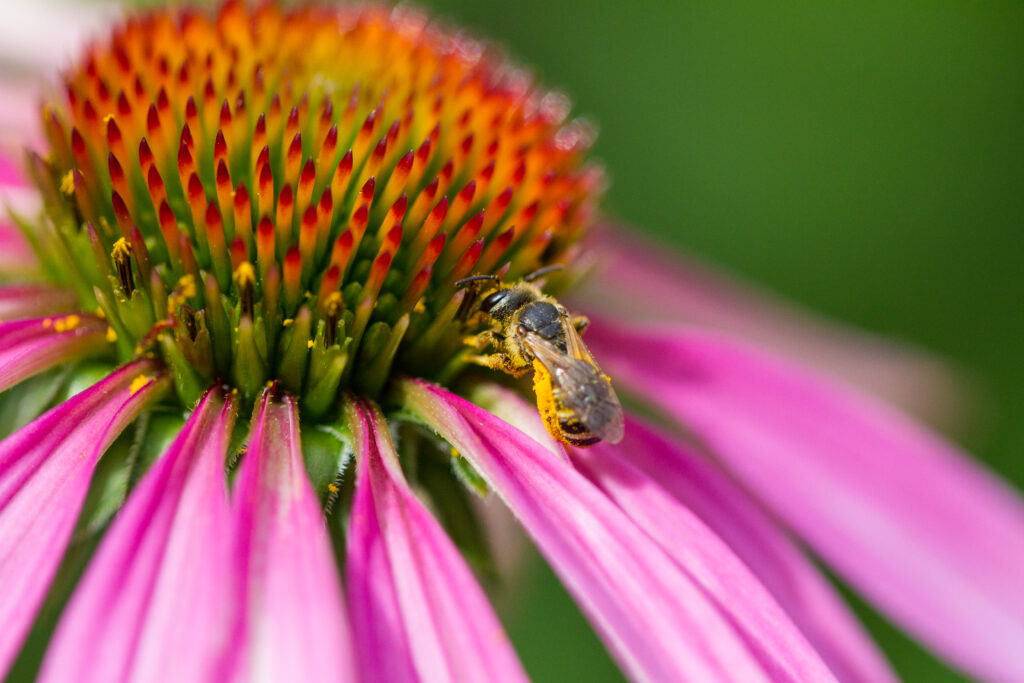
Fall sowing helps seeds overcome dormancy. A favorite of both bees and butterflies.
Echinacea purpurea.
Black-eyed Susan (Rudbeckia hirta)

This hardy wildflower thrives with cold stratification.
Rudbeckia hirta.
Wild Bergamot (Monarda fistulosa)
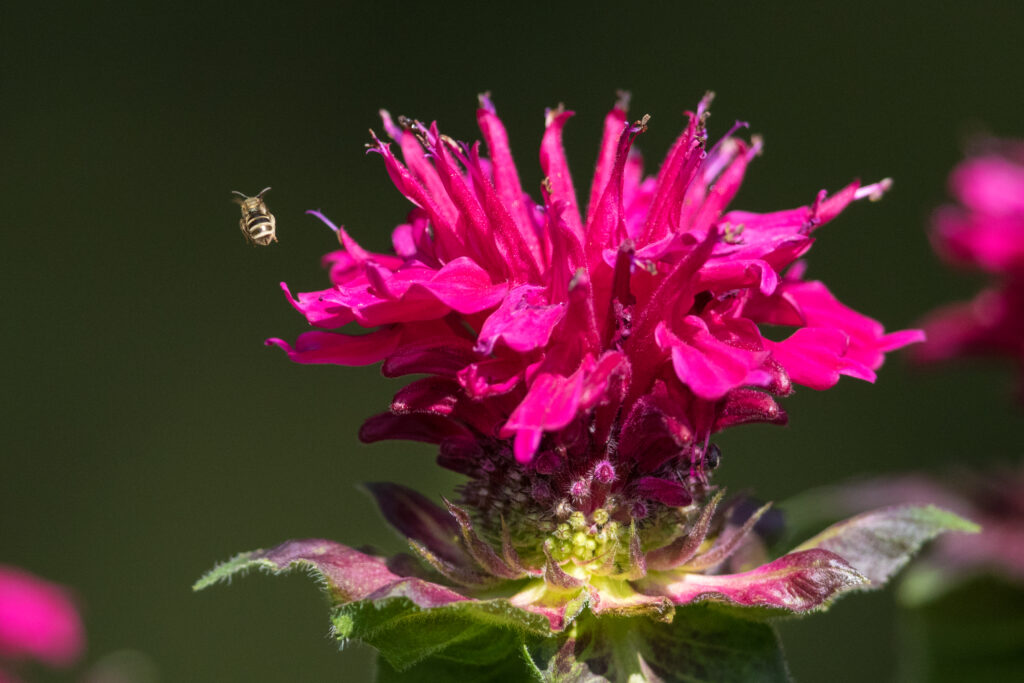
Another name for bee balm, showing its importance across regions.
Monarda fistulosa.
Coreopsis (Coreopsis tinctoria)

These tickseed flowers are reliable nectar plants. Seeds germinate better after winter.
Coreopsis lanceolata.
Swamp Milkweed (Asclepias incarnata)
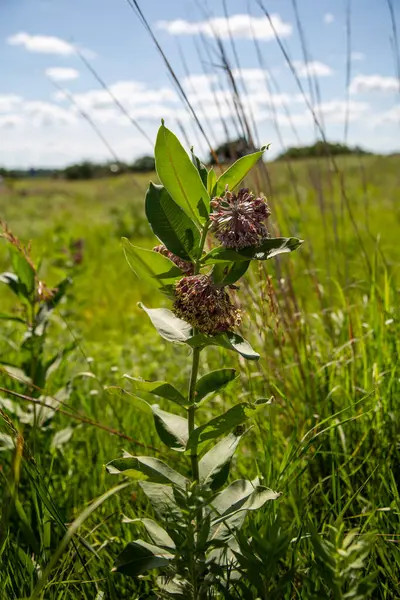
Fall is the natural time for milkweed seeds to settle. Vital for pollinators of all kinds.
Asclepias incarnata.
Joe-Pye Weed (Eutrochium purpureum)

Tall and nectar-rich, this native thrives in damp soils.
Eutrochium purpureum.
Culver’s Root (Veronicastrum virginicum)
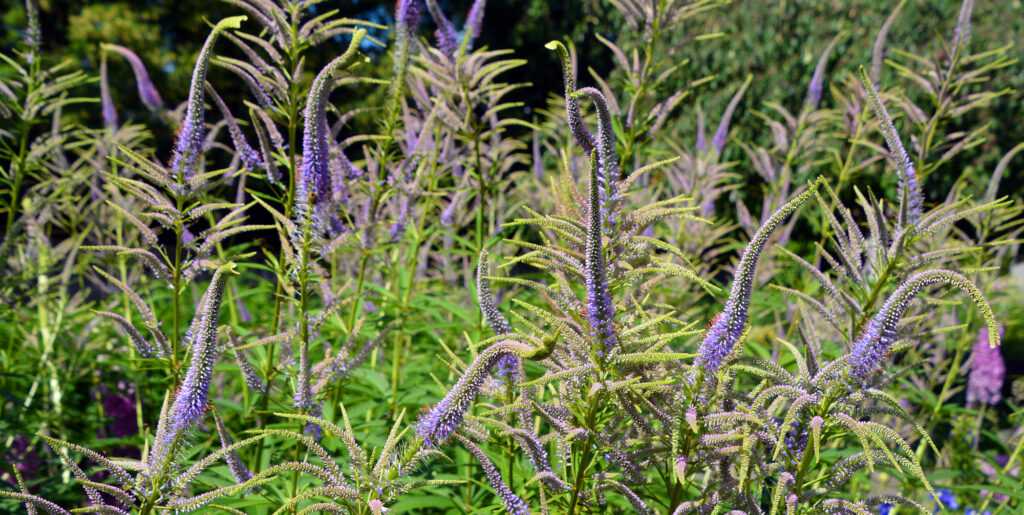
Elegant flower spikes support bees and butterflies. Seeds need stratification.
Veronicastrum virginicum.
Wild Indigo (Baptisia australis)
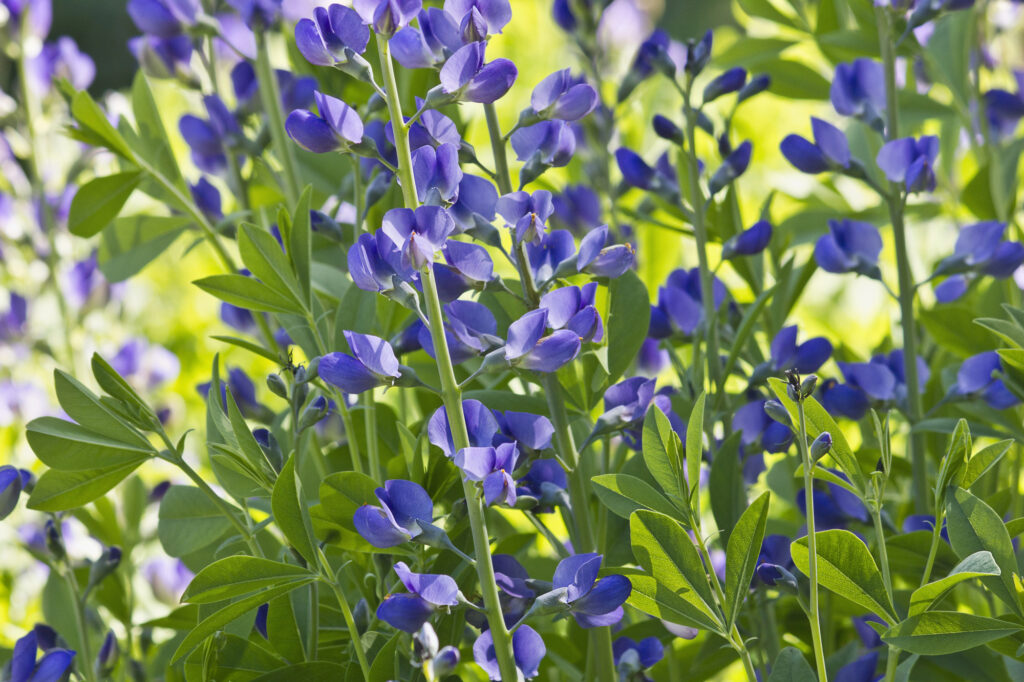
A nitrogen-fixing perennial that produces early flowers bees love.
Baptisia australis.
Obedient Plant (Physostegia virginiana)
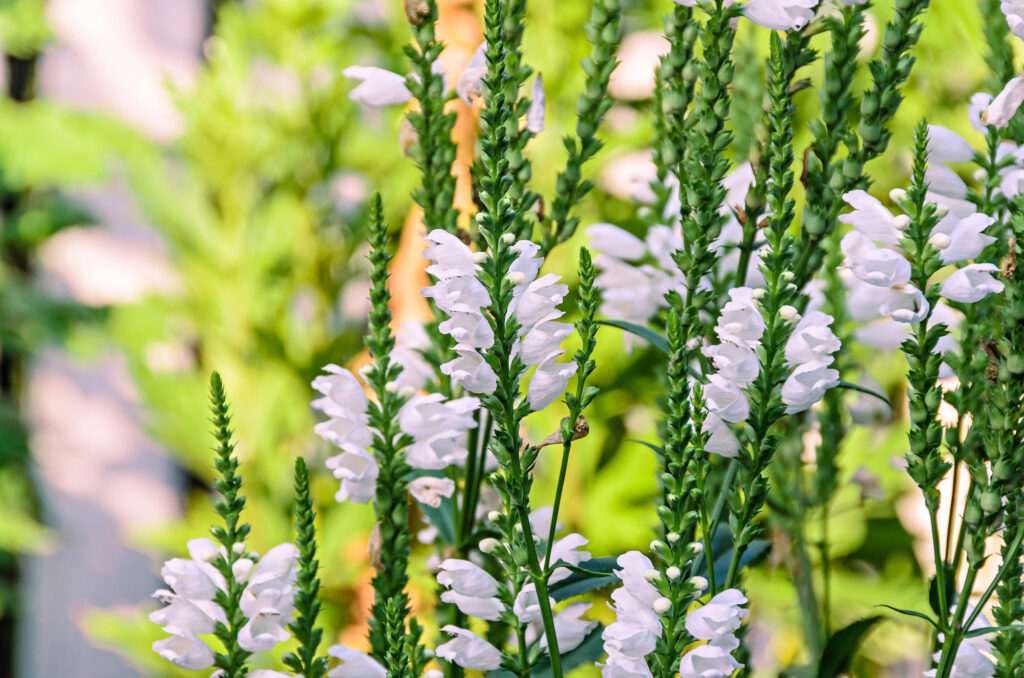
Spikes of purple-pink flowers, tall, and often found in moist ground.
Physostegia virginiana.
Spiderwort (Tradescantia ohiensis)

Easy to grow, with blue flowers that open each morning.
Tradescantia ohiensis.
Wild Columbine (Aquilegia canadensis)

Seeds germinate after winter’s freeze-thaw cycles. A great early nectar source.
Aquilegia canadensis.
Cardinal Flower (Lobelia cardinalis)
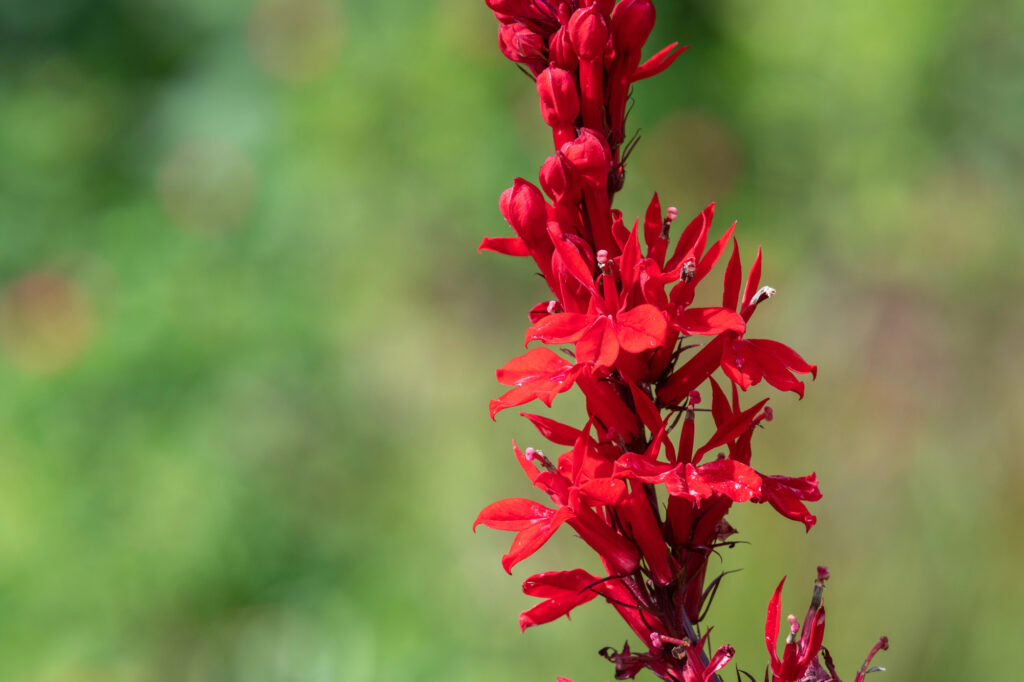
Striking red blooms that stand out dramatically in wetland areas. Attracts hummingbirds and makes a bold color contrast with goldenrod.
Lobelia cardinalis.
Discover more wildflowers that pollinators love in our article, 15 Best Bee-Friendly Wildflower Seeds for Your Yard.
Contains affiliate links, for full disclosure, see FTC Disclosure, here.
🌿 Gear Up for a Bee-Friendly Garden
Contains affiliate links, for full disclosure, see FTC Disclosure, here.
Looking for tools that actually work?
We’ve pulled together our favorite picks for beekeeping, gardening, and pollinator-friendly seeds—everything you need to support bees and grow a thriving space.
Browse the full list on Amazon — all in one spot.