
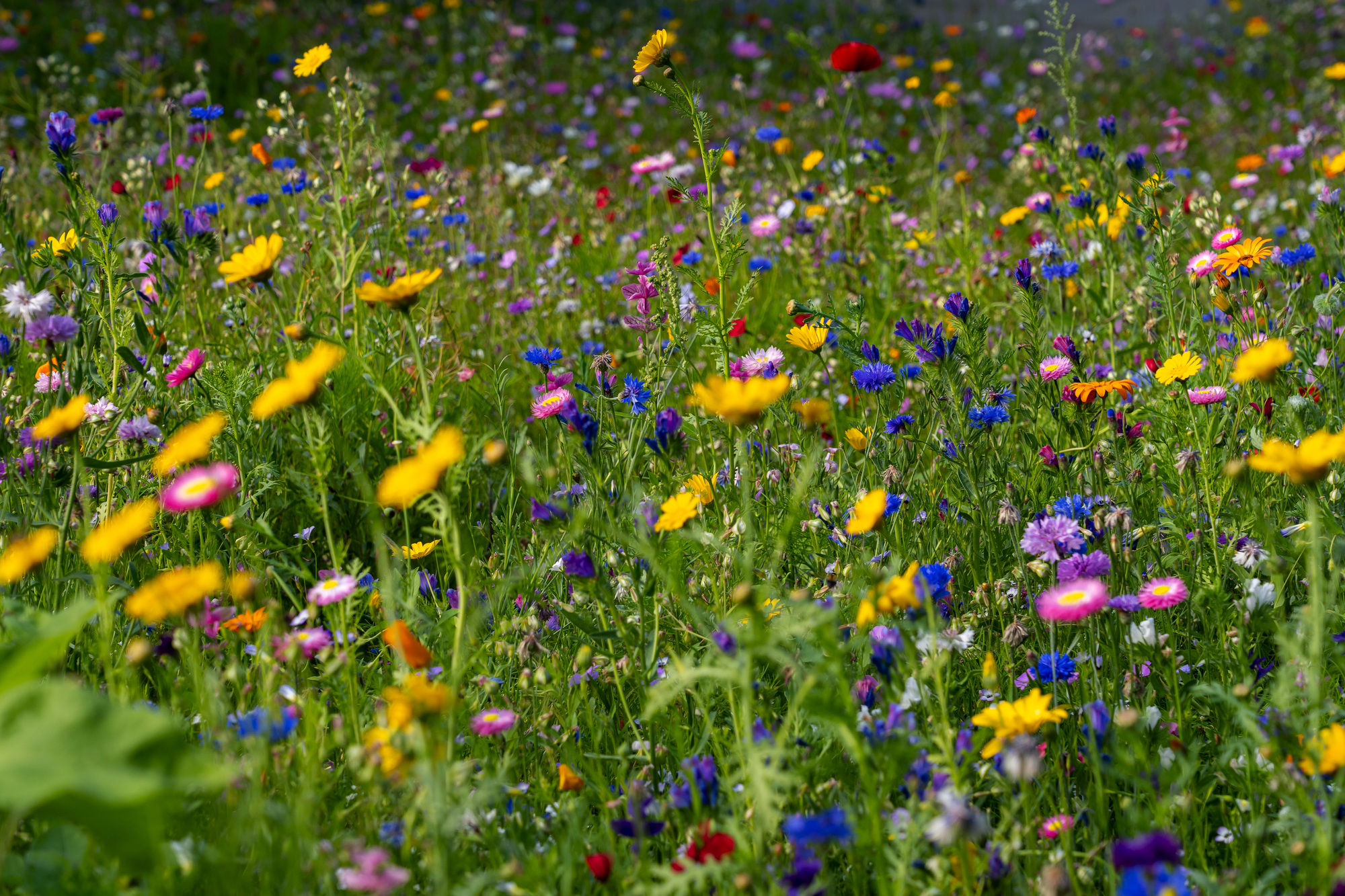
Most people think planting season ends in summer, but fall is the perfect window for bee-friendly seeds. Skip it and you’ll miss out on the earliest blooms pollinators count on in spring. Fall Planting is ideal for so many different species.
Poppy (Papaver spp.)

These self-seeding annuals thrive on fall planting. Scatter the seeds on bare soil and let the winter cold trigger germination. Eschscholzia californica. I earn a commission if you buy through this affiliate link, at no extra cost to you.
Larkspur (Delphinium consolida)
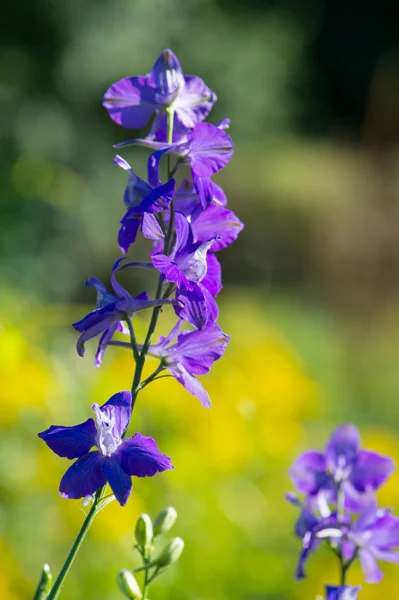
Larkspur seeds need a period of cold to sprout well. Sowing in fall ensures tall spires of flowers that bees can’t resist. Delphinium consolida.
Bachelor’s Button (Centaurea cyanus)

Also called cornflower, this hardy annual handles cool conditions. Fall planting leads to stronger spring growth.
Centaurea cyanus.
Nigella (Nigella damascena)
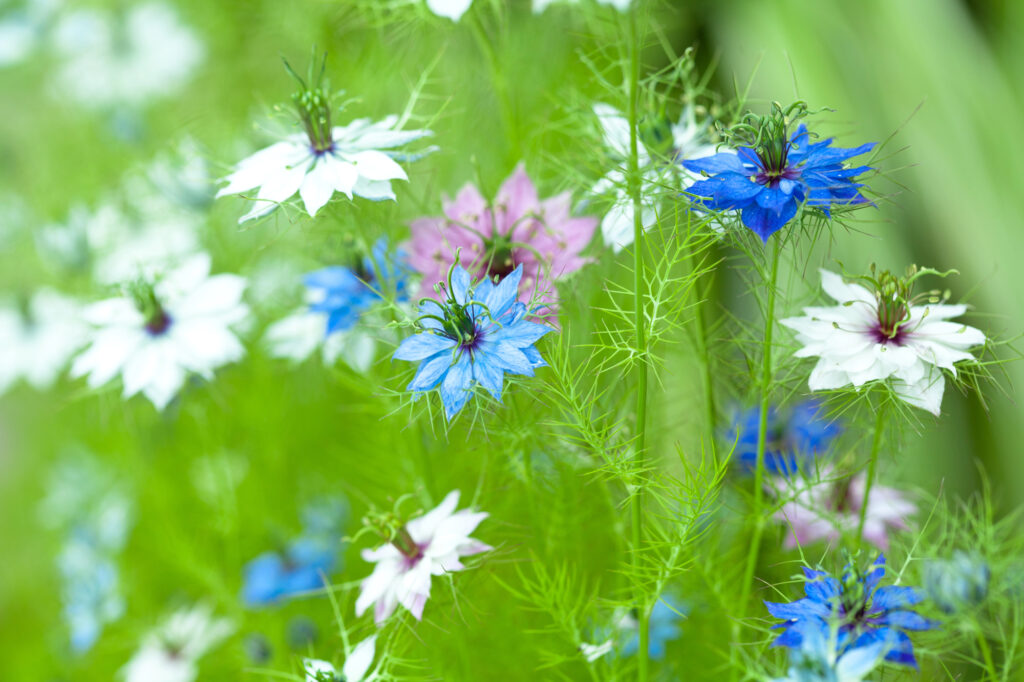
Often called love-in-a-mist or wild fennel, these delicate flowers benefit from overwintering. Bees love the early nectar.
Nigella damascena.
Calendula (Calendula officinalis)

Calendula thrives in cooler soil. Fall seeding helps it establish roots for early spring color.
Calendula officinalis.
Phacelia (Phacelia tanacetifolia)
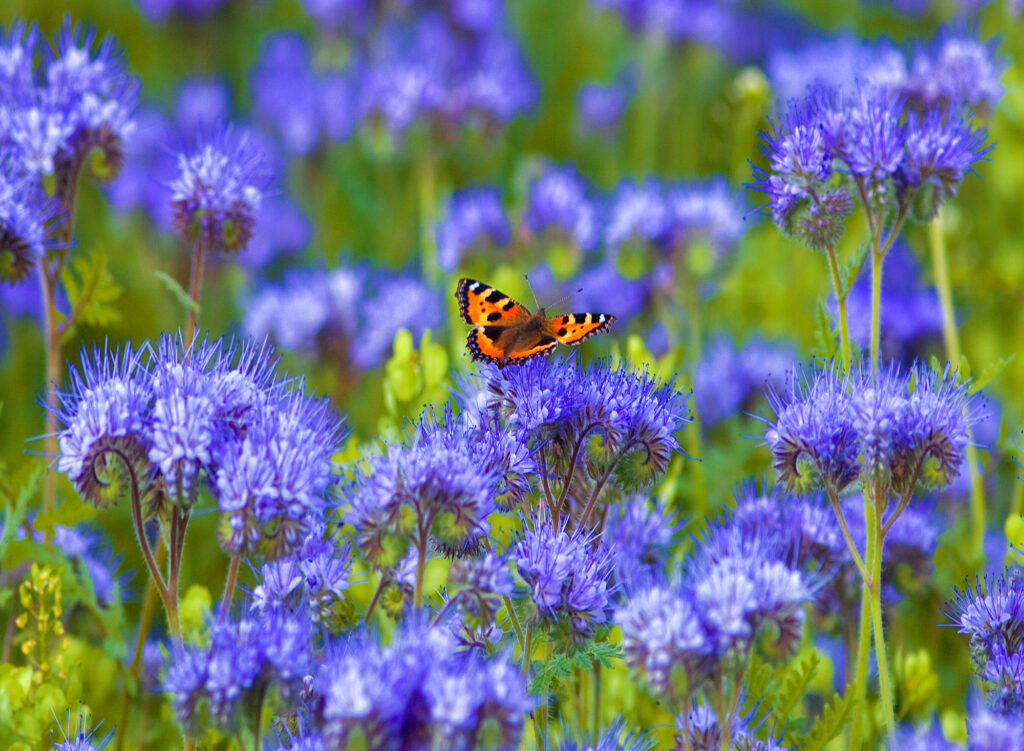
Nicknamed “bee’s friend,” this annual is a nectar powerhouse. Sow in fall for maximum spring blooms.
Phacelia tanacetifolia.
Coneflower (Echinacea purpurea)

A perennial that germinates better after cold exposure. Bees use their nectar all season long.
Echinacea purpurea.
Milkweed (Asclepias spp.)

Essential for monarchs and beneficial for bees. Seeds need winter stratification, making fall planting ideal.
Asclepias spp.
Black-eyed Susan (Rudbeckia hirta)

These cheerful perennials thrive with fall seeding. They return reliably and attract a wide range of pollinators.
Rudbeckia hirta.
Shasta Daisy (Leucanthemum × superbum)

Fall planting helps daisy seeds settle before frost. Bees flock to their wide blooms in summer.
Leucanthemum × superbum.
Coreopsis (Coreopsis spp.)

These daisy-like flowers need a cold spell to germinate. Fall sowing sets them up for success.
Coreopsis lanceolata.
Blanket Flower (Gaillardia aristata)

Bright and drought-tolerant, blanket flower grows best when seeded before winter.
Gaillardia pulchella.
Columbine (Aquilegia spp.)

Seeds need freeze-thaw cycles to sprout. Their unique flowers are magnets for early pollinators.
Aquilegia spp.
Foxglove (Digitalis purpurea)
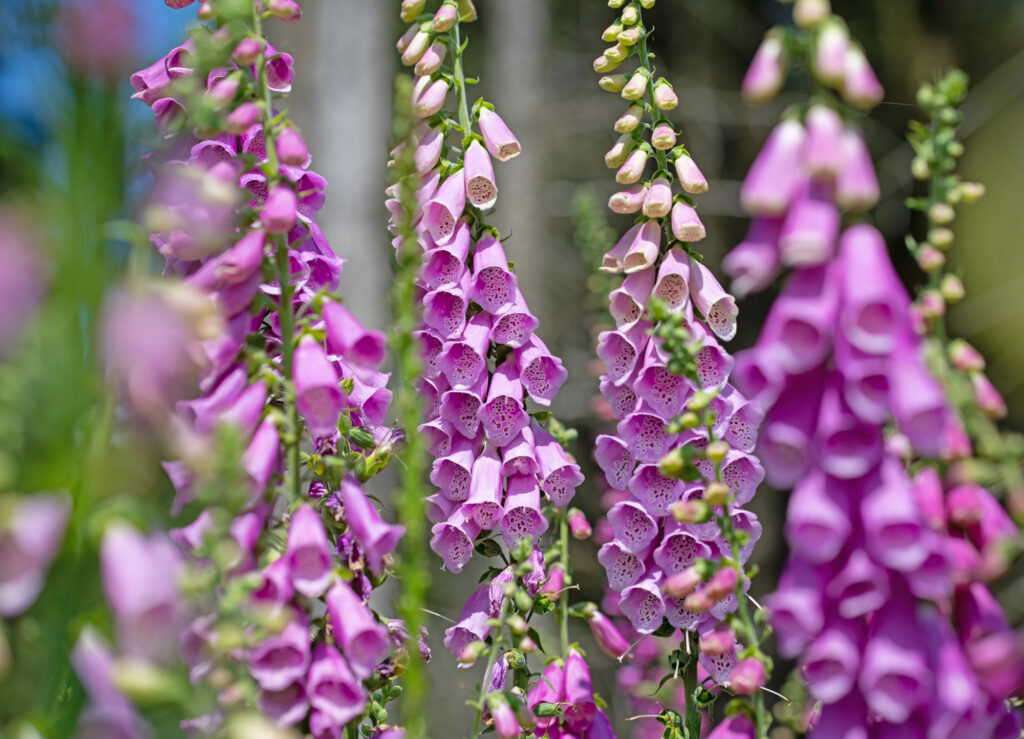
A biennial that germinates better in cool soil. Bees love the tall flower spikes.
Digitalis purpurea.
Verbena (Verbena bonariensis)

Seeds establish roots best when sown in the fall. Their clusters of purple blooms feed bees all summer.
Verbena bonariensis.
White Clover (Trifolium repens)
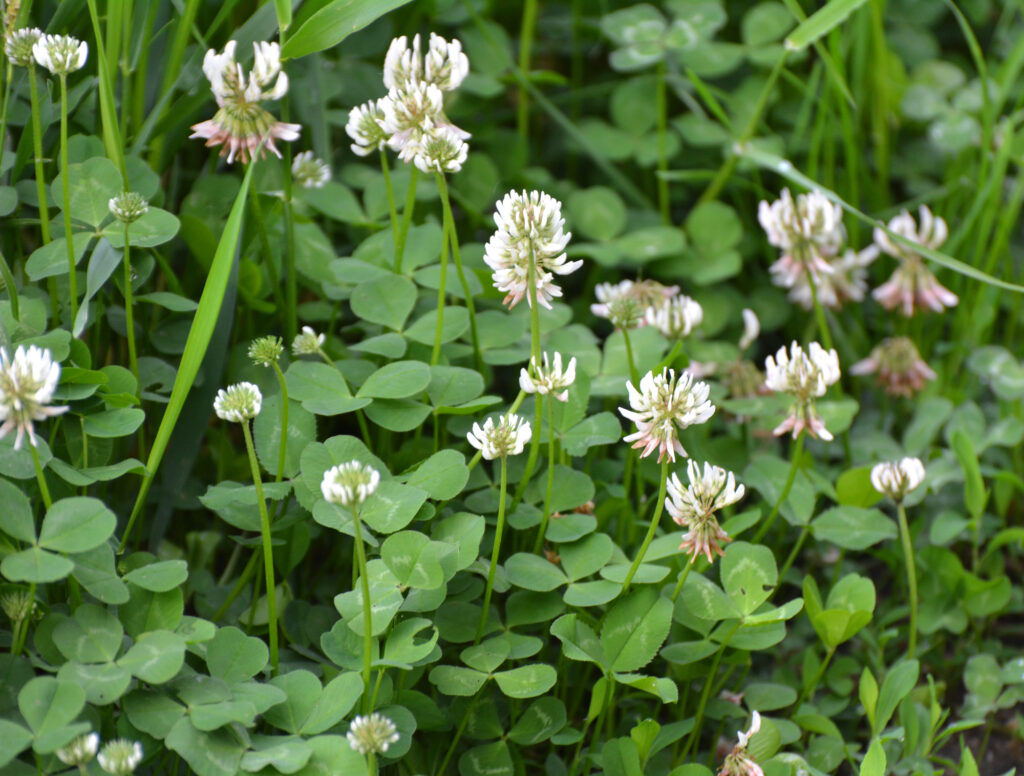
A simple groundcover that provides steady nectar. Sow in fall for quick coverage.
Trifolium repens.
Red Clover (Trifolium pratense)

Red clover is another pollinator-friendly clover that thrives with fall planting.
Trifolium pratense.
Creeping Thyme (Thymus serpyllum)
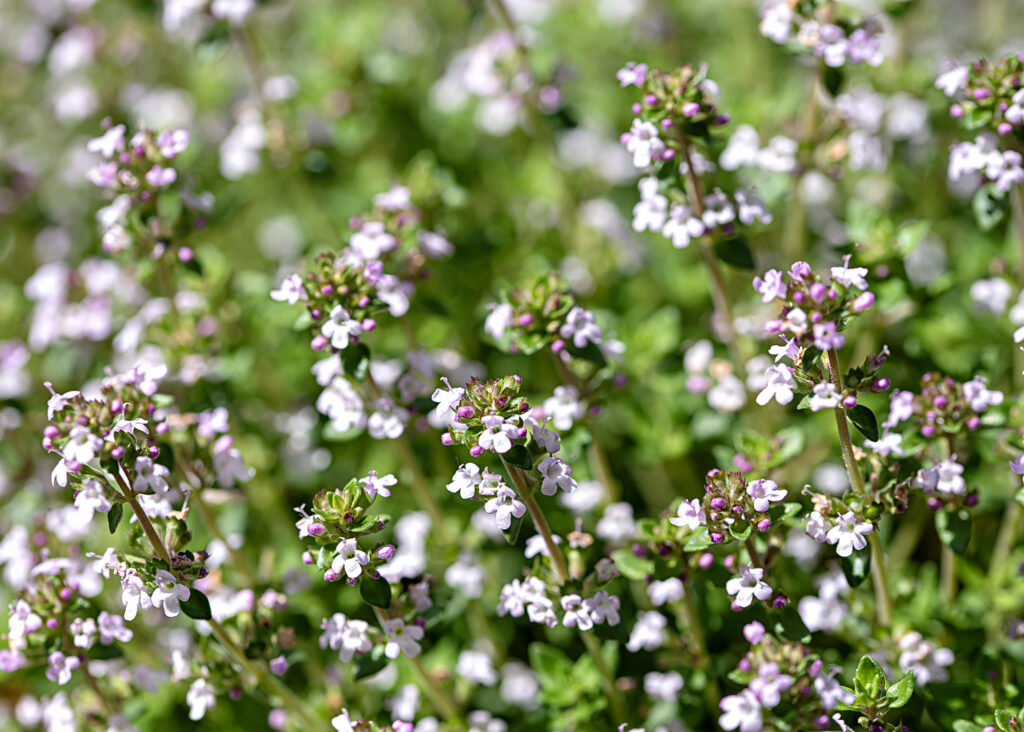
This low-growing herb flowers into carpets of nectar-rich blooms.
Thymus serpyllum.
Bugleweed (Ajuga reptans)
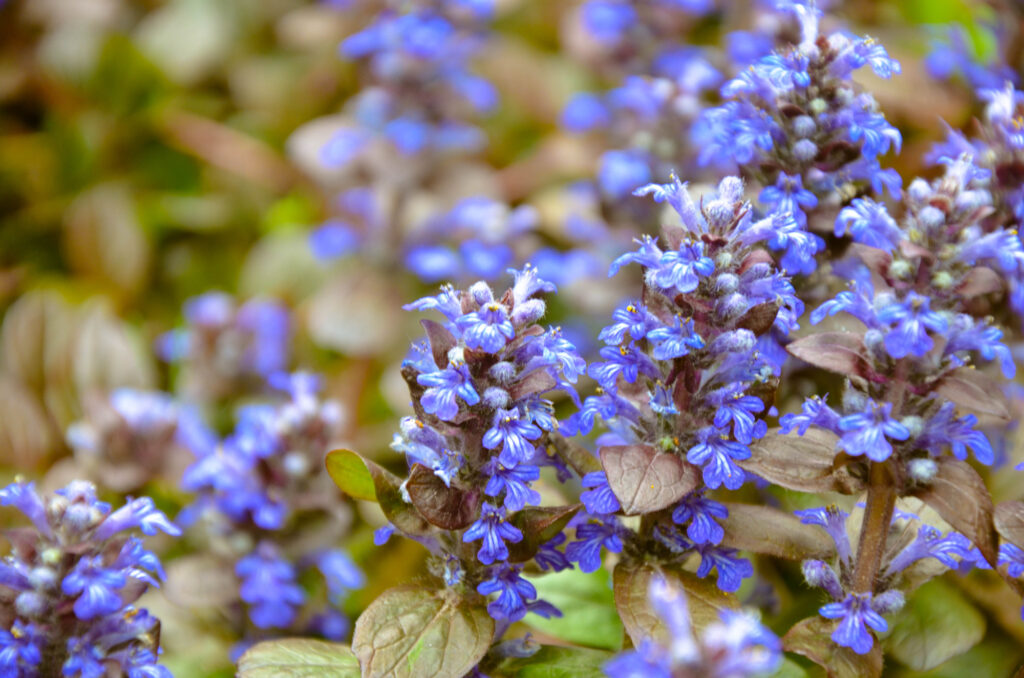
A hardy groundcover that handles cold well. Bees flock to its purple spikes in spring.
Ajuga reptans.
Fall planting is one of the easiest ways to set up next year’s garden for success. By scattering these seeds now, you’ll not only enjoy a burst of color but also give bees the nectar sources they need right when spring begins.
Don’t miss out! See our article on 15 Best Bee-Friendly Wildflower Seeds for Your Yard.
Contains affiliate links, for full disclosure, see FTC Disclosure, here.
🌿 Gear Up for a Bee-Friendly Garden
Contains affiliate links, for full disclosure, see FTC Disclosure, here.
Looking for tools that actually work?
We’ve pulled together our favorite picks for beekeeping, gardening, and pollinator-friendly seeds—everything you need to support bees and grow a thriving space.
Browse the full list on Amazon — all in one spot.


