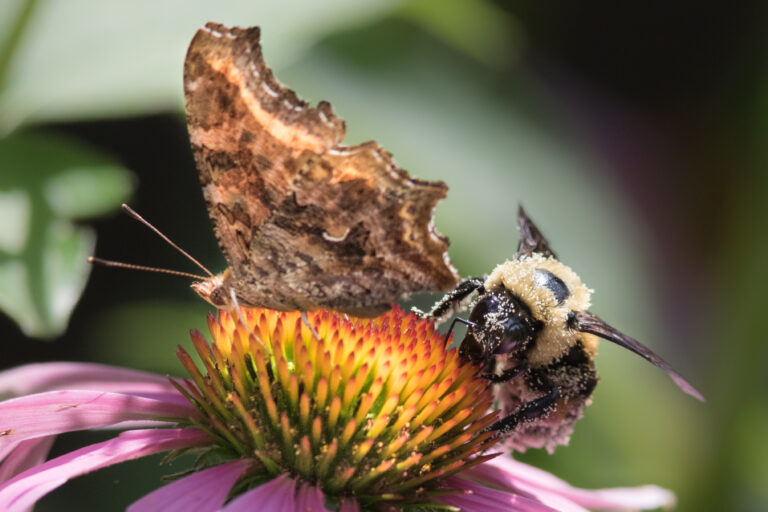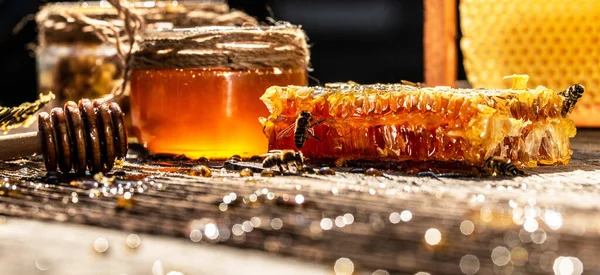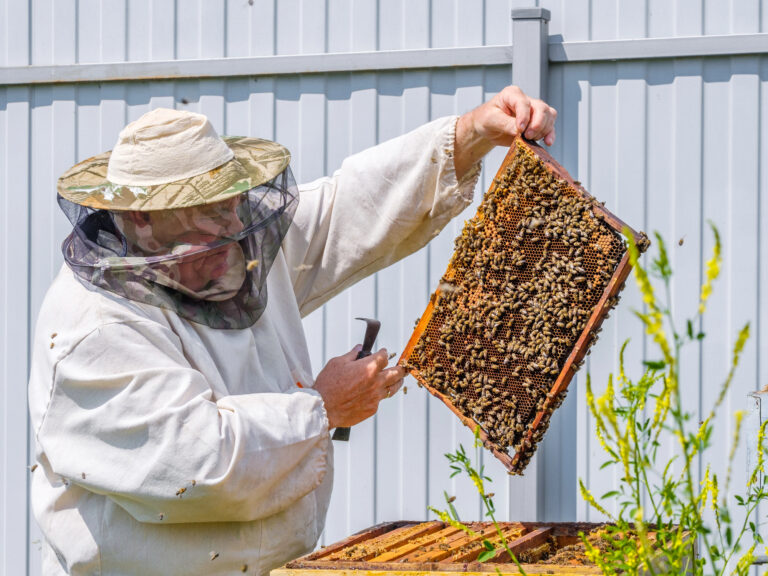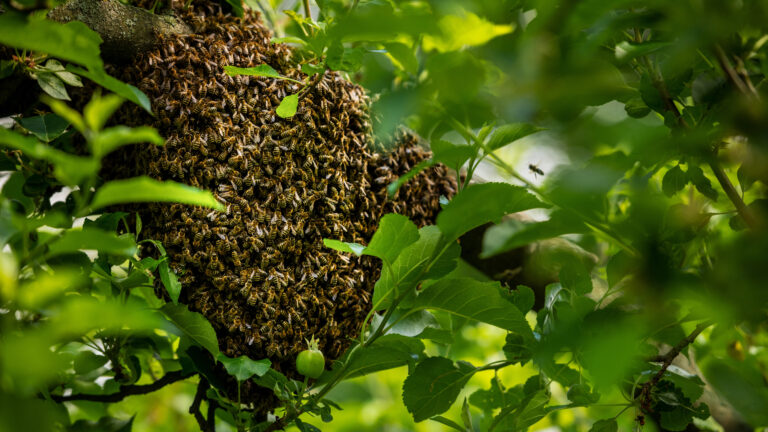
Sometimes nectar goes bad before bees collect it. When that happens, it can turn slightly alcoholic, and the bees who drink it start acting like tiny, tipsy pilots. While it might sound funny, drunk bees are a real issue that affects hives and pollination.
How Bees Get Drunk
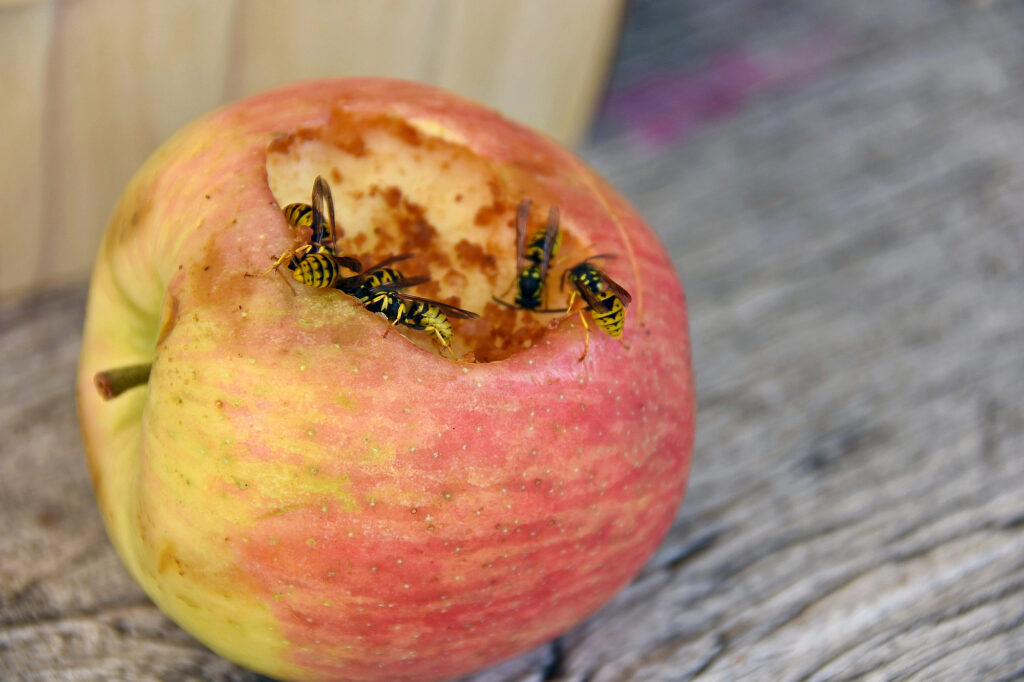
When nectar or overripe fruit ferments, wild yeast converts sugar into alcohol. Bees visiting these food sources can unknowingly sip up the ethanol. It does not take much to affect them. Even a small amount can make a bee lose control of its flight or forget how to get home.
This often happens late in the season when fruit starts to decay, or after warm, wet weather when fermentation speeds up. The higher the temperature, the faster the sugar turns into alcohol.
What Happens When They Do
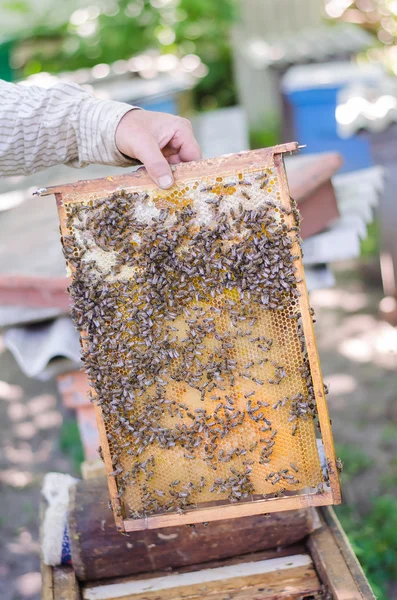
Once a bee drinks fermented nectar, its reactions slow down. It may wobble through the air, crash into flowers, or fall to the ground. Some bees cannot make it back to their hives. Those that do often face another problem. Guard bees stationed at the entrance may refuse to let them in.
Hive guards can detect unusual scents, including alcohol. Their job is to protect the colony, and drunk bees pose a risk. Allowing them inside could spread contamination or disrupt hive order. In some cases, guards drag intoxicated bees away or push them off the landing board.
What Scientists Have Learned
Researchers have studied the effects of alcohol on bees for decades. It turns out that bees react to alcohol almost exactly like humans do. They lose coordination, forget learned behaviors, and take longer to complete tasks. Some studies even show that they prefer sugary solutions with small amounts of alcohol once they get used to it.
Scientists often use bees to study addiction and learning. Their brains are simpler but share some of the same reward pathways as ours. That makes them a useful model for research into the biology of dependence and behavior.
Why It Matters
It might sound amusing to picture a few bees flying crookedly, but it has real ecological impacts. When too many bees drink fermented nectar, pollination rates drop. Drunk bees cannot focus, remember routes, or share foraging information with others. This article from Springer Nature Link further states, “Occasional and constant exposure to dietary ethanol shortens the lifespan of worker honey bees.”
As climate change raises global temperatures, fermentation may become more common. Earlier blooms, warmer nights, and longer wet periods all increase the chance of nectar spoiling. That means more potential for bees to encounter alcohol in their environment.
A Few Fun Facts
Some beekeepers report seeing bees fall asleep mid-flight or cling upside down to flowers after a “nectar binge.” Others have noticed that drunk bees sometimes become aggressive toward hive mates. It might look funny, but it is a sign that even small changes in nature can throw pollinators off balance.
Bees usually recover once they metabolize the alcohol, but it takes time. During that period, they cannot perform their normal duties, and the colony loses efficiency.
The Takeaway
Drunk bees remind us that pollinators face challenges we rarely think about. A warming climate, changing weather, and human activity all make it harder for them to stay safe. Protecting clean, healthy foraging sources helps reduce the risks. A bee’s job is already difficult. The last thing they need is a hangover.
Want to learn more about bees? See our Ultimate Guide to Bee-Friendly Living article for more info.
🌿 Gear Up for a Bee-Friendly Garden
Contains affiliate links, for full disclosure, see FTC Disclosure, here.
Looking for tools that actually work?
We’ve pulled together our favorite picks for beekeeping, gardening, and pollinator-friendly seeds—everything you need to support bees and grow a thriving space.
Browse the full list on Amazon — all in one spot.