Bees are often described as one of the most important animals on the planet. That idea gets repeated a lot online, sometimes in exaggerated ways. What scientists actually say is more precise and more interesting.
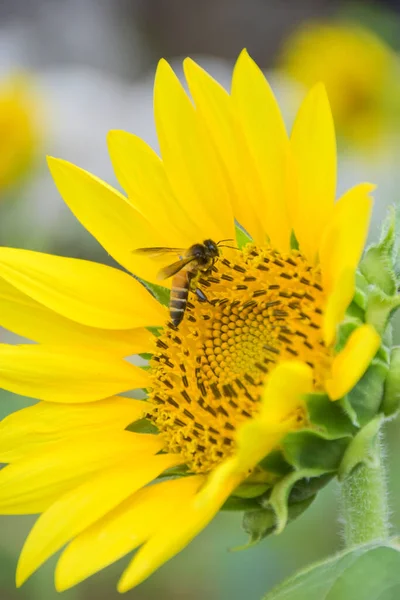
Bees are considered a keystone species.
A keystone species is one whose impact on an ecosystem is much larger than its size or number would suggest. When a keystone species declines, the effects ripple outward. Other species struggle, habitats change, and entire systems become less stable.
Keystone species compared to other wildlife
Many animals are important, but keystone species hold systems together in a unique way. Removing one does not just remove that species. It weakens the network around it. Bees influence plants, insects, birds, and mammals all at once through pollination.
Why pollination matters so much
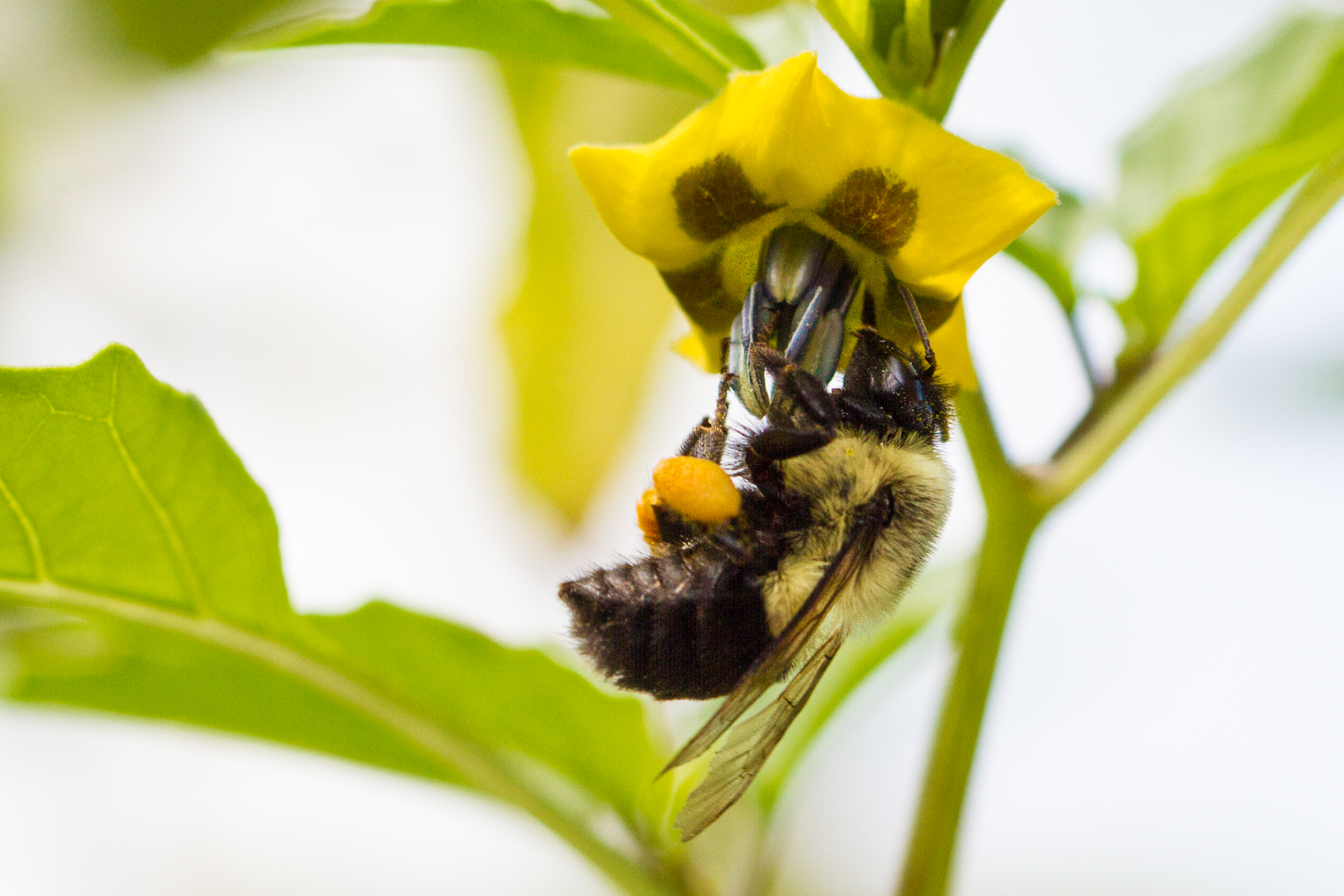
Pollination is how many plants reproduce. When bees move pollen between flowers, they facilitate plants to set seed and produce fruit. This supports wild plant populations and many crops people rely on for food.
Without reliable pollination, plant diversity drops. Fewer plants mean fewer insects. Fewer insects mean less food for birds, mammals, and other wildlife. The loss compounds quickly.
Why bees have an outsized role
Many animals pollinate plants, but bees are unusually effective at it. They actively collect pollen, visit large numbers of flowers in a short time, and tend to return to the same plant species during a foraging trip. This makes pollination more efficient.
Bees also operate across seasons. Different species emerge at different times of year, helping plants bloom successfully in spring, summer, and fall.
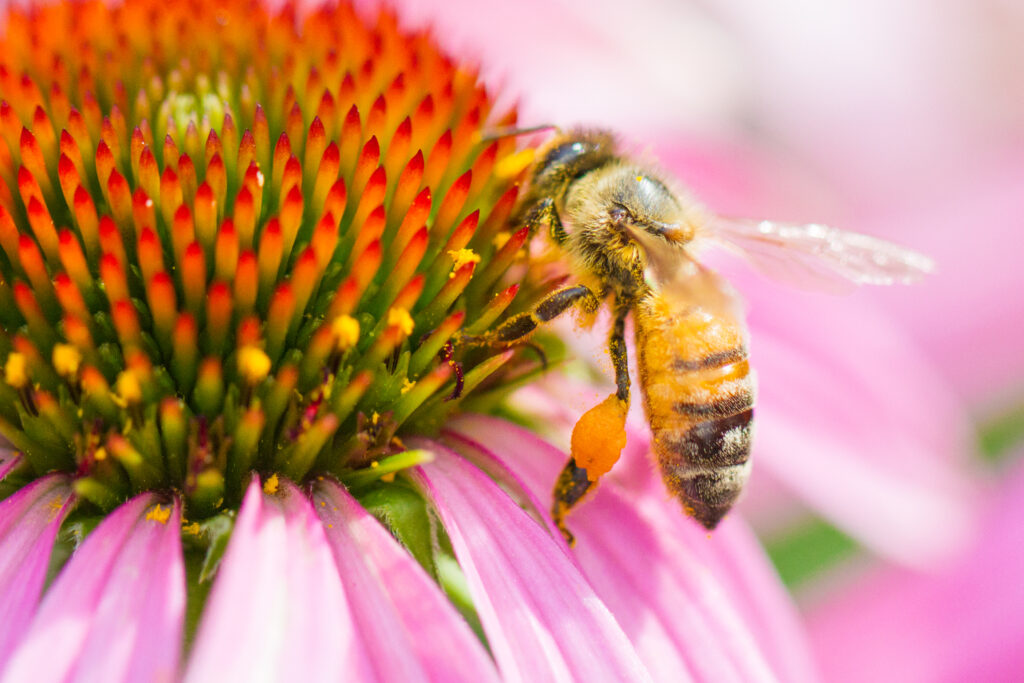
Wild plants depend on bees, not just crops
Much of the focus on bees centers on food production, but wild plants rely on them just as much. Native flowers, shrubs, and trees often depend on specific bee species. When pollination fails, those plants produce fewer seeds and decline over time. Biodiversity in our landscapes is vital. Many species rely on multiple other species for survival.
Human landscapes increase their importance
As natural habitats shrink, bees are more important than ever. Fragmented landscapes mean fewer pollinators overall. This makes the remaining bees even more important for maintaining ecosystem function.
What happens when bees decline
When bee populations drop, ecosystems lose resilience. Some plants fail to reproduce. Others become rarer or disappear locally. This can alter plant communities and reduce the availability of food for wildlife.
In agricultural systems, fewer bees can mean lower yields and less reliable harvests. This is why farmers often bring managed hives into orchards and fields during bloom.
Why doesn’t this fact mean bees rank above everything else
Calling bees a keystone species does not mean they are officially ranked as the most important living beings on Earth. Science does not work that way.
Instead, it recognizes that bees play a critical role that supports many other forms of life. Their importance comes from connections, not hierarchy.
Why this matters for everyday landscapes
Yards, gardens, roadsides, and farms all play a role in supporting bees. When these spaces offer flowers, shelter, and water, they help maintain pollination networks that extend far beyond a single property.
Protecting bees helps protect plant diversity, food systems, and the wildlife that depends on them.
Understanding bees as keystone species shifts the focus from slogans to systems. It reminds us that small creatures all play their roles in ecosystems.
For more interesting information on bees, see our recent articles, If Your Yard is Silent in Spring Here’s What’s Missing and Why Honey Has Been So Valuable for Thousands of Years.
🌿 Gear Up for a Bee-Friendly Garden
Contains affiliate links, for full disclosure, see FTC Disclosure, here.
Looking for tools that actually work?
We’ve pulled together our favorite picks for beekeeping, gardening, and pollinator-friendly seeds—everything you need to support bees and grow a thriving space.
Browse the full list on Amazon — all in one spot.