Honey has been valued for its versatility for thousands of years. Long before refined sugar, refrigeration, or packaged food, honey served as a reliable resource. It was food, a preservative, and a trade item rolled into one. Its importance came from how it behaved naturally, not from anything added by humans.
One of honey’s most important roles was as a source of fast energy. Honey is made mostly of glucose and fructose, sugars the body can use quickly. Ancient Greek athletes consumed honey before competitions for stamina. In many cultures, honey was also given to people who were weak or recovering because it provided energy without needing preparation or cooking.
Honey’s value extended beyond human use. Bees make honey as a survival food. Nectar is abundant during warm months but disappears in winter. Honey remains stable inside the hive, allowing colonies to survive long periods without fresh forage. Bees carefully reduce moisture, regulate airflow, and seal honey with wax so it stays usable when flowers are gone.
Because of this, beekeepers have always paid close attention to honey stores. A healthy hive may need sixty to ninety pounds of honey to survive winter, depending on the climate. When harvesting, beekeepers leave enough honey behind or provide supplemental feeding if stores are low. This practice protects the colony and reflects an understanding that honey is essential, not excess.
Honey also held major economic value. Before sugar became widely available, honey was one of the primary sweeteners. It was traded, taxed, and sometimes used as payment. Owning beehives meant access to a dependable and valuable product that did not spoil quickly. In many regions, honey was worth more than sugar for long periods of history.
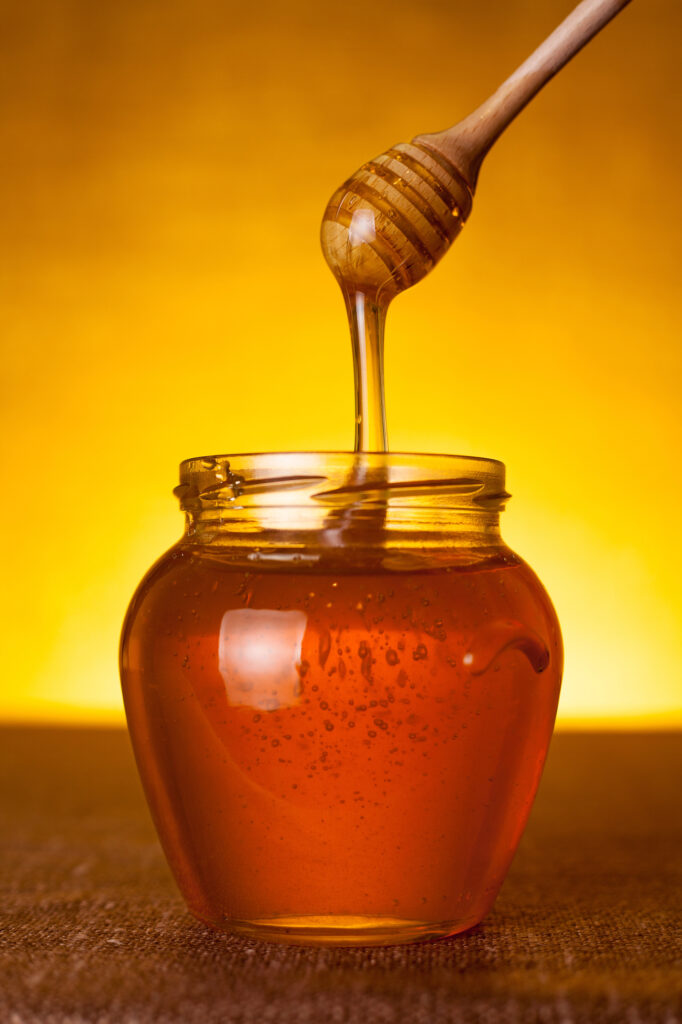
People also relied on honey for food preservation, even though it was not a miracle solution. Honey binds moisture effectively, which helps slow spoilage and drying. In baked goods, it helps breads and cakes stay softer longer. In fruit preparations, honey supported natural acidity and discouraged microbial growth. These uses mattered in a time without refrigeration.
In fruit preserves, honey helps by limiting microbial growth and supporting natural acidity. When combined with proper storage and handling, it extends freshness but does not replace modern canning safety practices. Historically, this mattered because refrigeration did not exist.
Honey also played a role in early wound care. The ancient Egyptians, Greeks, and Romans recorded the use of honey on cuts and burns. Texts associated with Hippocrates describe honey as part of wound treatments. People observed that honey-treated injuries often healed with fewer complications, which led to its widespread use across cultures.
In traditional systems such as Ayurveda, honey was used as a carrier for herbs. This use focused on stability and delivery rather than medical claims. Honey helped preserve plant materials and made them easier to consume, especially when fresh preparations were not possible.
Some people today choose local honey because it may contain trace amounts of pollen from nearby plants. The idea is based on gradual exposure over time. Experiences vary, and research results are mixed, but the belief reflects long-standing observation rather than modern invention.
Honey also shaped culture through fermentation. Mead, made by fermenting honey with water, is one of the oldest known alcoholic drinks. It appears in records across Europe, Africa, and Asia. Mead’s long history reflects how widely available and reliable honey was as a fermentable food.
For a substance made entirely by insects, honey has played an outsized role in human history.
For more honey facts, see our articles, Fun Facts About Honey You Probably Didn’t Know and The World’s Most Expensive Honeys (and Why They Cost So Much).
—
🌿 Gear Up for a Bee-Friendly Garden
Contains affiliate links, for full disclosure, see FTC Disclosure, here.
Looking for tools that actually work?
We’ve pulled together our favorite picks for beekeeping, gardening, and pollinator-friendly seeds—everything you need to support bees and grow a thriving space.
Browse the full list on Amazon — all in one spot.