

Winter is quiet by design. Cold slows everything down. Insects hibernate or overwinter as immatures. Birds conserve energy. Plants rest.
Spring is different. As days warm and light returns, sound should follow. Birds sing at dawn. Bees appear on the first mild afternoons. Frogs call near water. Wind moves dry stems and seed heads.
If spring arrives and your yard stays silent, something important is missing.
What a healthy yard sounds like in spring
Healthy yards come alive in layers. You may not notice everything at once, but the background noise builds.
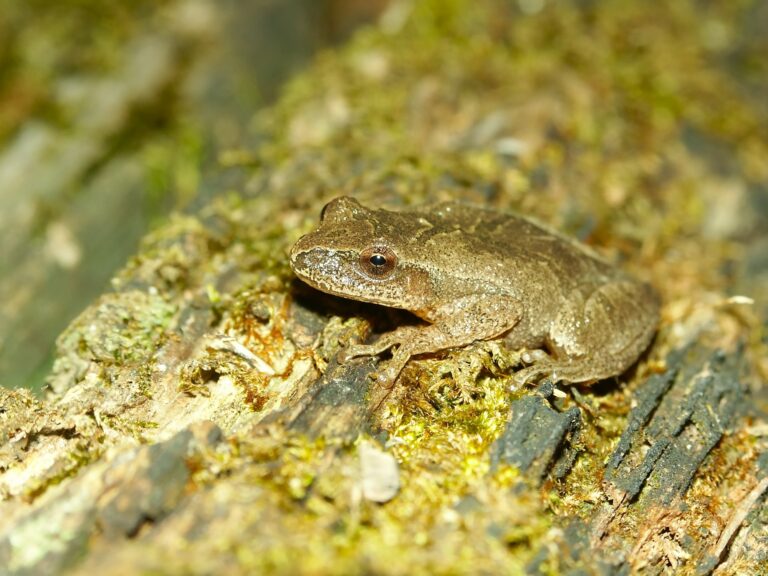
Early in the season, native bees are often the first sign. They fly low and fast on warmer days. Birds follow soon after, especially insect eaters searching lawns and shrubs. In wetter areas, frogs and toads add sound at night. Even insects you never see contribute a steady hum.
Silence means those layers are gone or delayed. That usually points to habitat gaps, not bad luck.

Why so many yards stay quiet
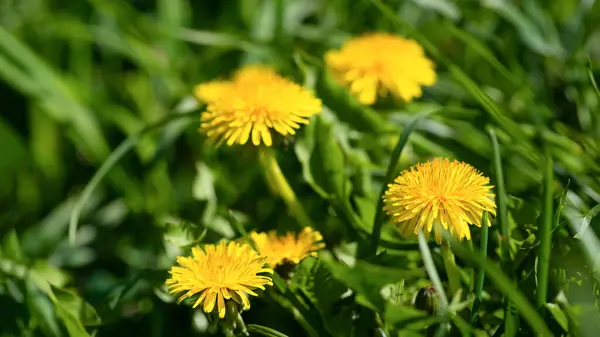
Many modern yards look tidy but offer little support for wildlife. The single most important thing you can do is not to spray your lawn to control dandelions and other weeds. These “weeds” are the earliest sources of food for native pollinators. Don’t mow your lawn in April and May. If it is getting too long, mowing separate blocks every week so that the dandelions can rebloom in the longer grass is the way to go.
Leaves are cleared away even though many insects spend winter there. Shrubs are trimmed tight, leaving no cover. Early-blooming plants are missing, so food is scarce when insects wake up.
Hard surfaces and compacted soil also play a role. Rain runs off quickly instead of soaking in. Moist areas that once supported insects, worms, and amphibians dry out faster each year.
Night lighting also disrupts native species. Many insects navigate by natural light cues. Artificial lighting keeps them disoriented or active at the wrong times, which affects birds and other animals that rely on them for food.
Each change seems small. Together, they remove the basics that wildlife needs to return.
What actually brings the sound back
Sound returns when food and shelter return.
Early flowers matter more than people realize. Native trees, shrubs, and perennials that bloom early give insects an important food source.
Good early bloomers include red maple, willow, serviceberry, and eastern redbud. Perennials such as crocus, snowdrops, hellebore, lungwort, and native spring ephemerals (spring-blooming woodland flowers) also play an important role. These plants provide pollen when little else is available.
Planting in groups helps insects find those resources faster.
Leaving some natural mess helps more than constant cleanup. Fallen leaves, hollow stems, and seed heads shelter insects and provide food for birds.
Water does not need to be fancy. A shallow dish or a natural low spot that holds moisture can make a difference.
Why January is the right time to think about this
Nothing is wrong if your yard is quiet now. That is expected.
January is for noticing patterns and planning changes. Look at where water collects. Notice which areas are always cut or cleared. Think about what blooms early and what never blooms at all.
Spring reveals results quickly. When habitat improves, sound follows.
Listening is the first step
You do not need to change everything at once. Start by paying attention.
When spring arrives, step outside and listen. A living yard is literally buzzing with life. A silent yard is a sign that something is wrong.
If you’re interested in learning more about helping insects and pollinators, see our article on Moth-friendly container gardens.
🌿 Gear Up for a Bee-Friendly Garden
Contains affiliate links, for full disclosure, see FTC Disclosure, here.
Looking for tools that actually work?
We’ve pulled together our favorite picks for beekeeping, gardening, and pollinator-friendly seeds—everything you need to support bees and grow a thriving space.
Browse the full list on Amazon — all in one spot.