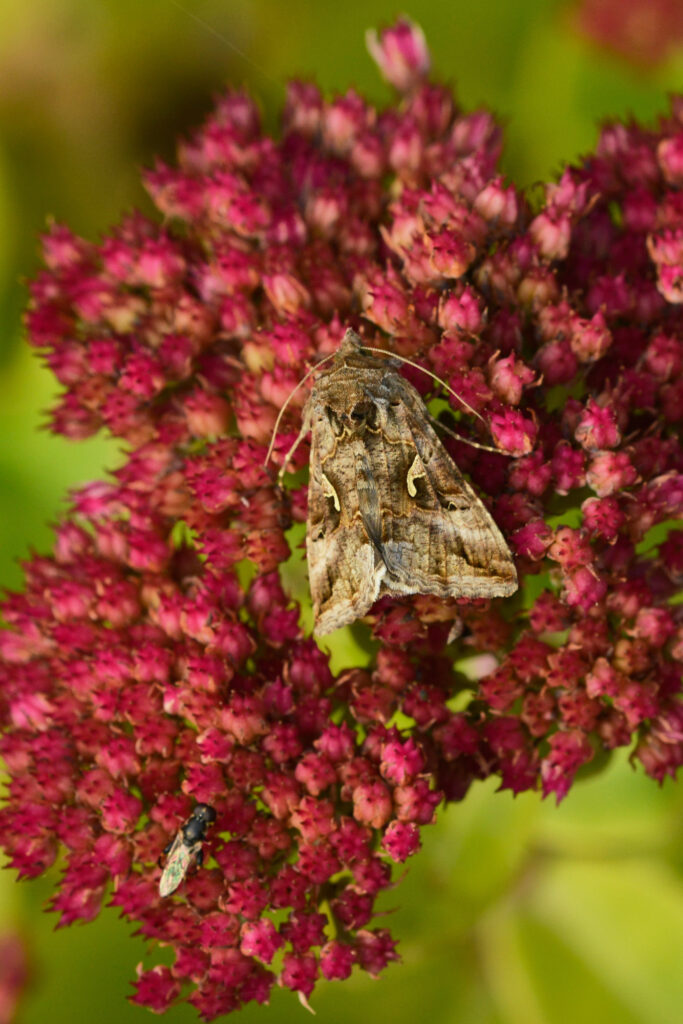
Moths are important pollinators, but they are often left out of garden planning because most of their activity happens at night. Container gardens can support them by offering flowers that release scent after sunset and remain open during cooler evening temperatures. These small setups also help fill gaps in urban and suburban habitats where night pollinators struggle to find consistent food sources.
Why Night Pollinators Matter
Many plants depend on nocturnal insects for pollination, especially species that bloom after dusk or rely on heavy fragrance to draw visitors. Moths transfer pollen across longer distances than many daytime insects because they travel farther in a single flight. This movement helps maintain genetic diversity in plant populations and improves seed production. Even though they are active when most people are indoors, their work shapes the health of nearby ecosystems.
Traits Moths Look For in Flowers
Moths rely more on scent than color. They respond to blooms that release fragrance at dusk, offer easy access to nectar, and remain open through part of the night. Pale or light-colored flowers are easier for them to locate in low light, but scent plays a bigger role. Tubular shapes support moths with long tongues, while clusters of small flowers help species with shorter reach.
Plants that work well in containers for moths include evening primrose, nicotiana, phlox, and potted honeysuckle varieties suited for small spaces. These species stay active in the cooler temperatures of evening and release more fragrance as daytime heat drops.
Light Exposure and Placement
Container placement affects how well moth-friendly plants perform. Full sun during the day helps fuel strong nighttime blooms. In areas with part sun, choose species known for vigorous fragrance like Nicotiana and Phlox. Containers near patios, porches, or lightly shaded walkways provide moths with reliable access points without the bright lighting that interferes with their movement.
Warm surfaces near houses, walls, or stone paths also help. These surfaces retain heat and keep blooms open longer, increasing nectar availability. Moths use these warmer pockets as short rest stops, especially during cool nights.
Plant Suggestions by Exposure
Full Sun (6+ hours)
Evening primrose
Phlox varieties suited for pots
Compact honeysuckle selections
Dwarf verbena (supports some dusk activity)
Part Sun (3–5 hours)
Nicotiana
Phlox
Evening primrose in cooler regions
Small pots of jasmine species suited to your zone
Why Scent Timing Matters
Many moth-pollinated plants shift their scent production toward the evening. This timing reduces competition with daytime insects and uses cooler temperatures to slow nectar evaporation. When you place these plants in containers, you help extend scent travel because pots warm and cool more predictably than ground soil. This creates a steady signal that draws moths in, even when the surrounding landscape offers little support.
How Containers Help Habitat Gaps
Night pollinators rely on continuous access to nectar. Street lighting, heavy mowing, and reduced wild spaces interrupt that flow. A balcony or porch container can offer a small pocket of resources that bridges these gaps. When grouped, containers create structure and small sheltered areas that moths use for brief pauses during flight. These pockets improve survival during sudden temperature drops and windy nights.
Why This Matters for the Rest of the Garden
Healthy moth populations support plants that bloom when bees are inactive. They also help pollinate many species that set fruit or seed later in the season. Their activity overlaps with the nighttime routines of bats and birds that rely on nectar-rich plants. By supporting moths, you strengthen the entire night side of the ecosystem, which often goes unnoticed but plays an important role in seasonal plant cycles.
🌿 Gear Up for a Bee-Friendly Garden
Contains affiliate links, for full disclosure, see FTC Disclosure, here.
Looking for tools that actually work?
We’ve pulled together our favorite picks for beekeeping, gardening, and pollinator-friendly seeds—everything you need to support bees and grow a thriving space.
Browse the full list on Amazon — all in one spot.