

Container gardens can support far more butterflies than people realize. A well-planned setup provides adults with steady nectar and hosts plants for caterpillars. Both are essential. Without host plants, butterflies may visit for a quick drink but cannot complete their life cycle in the area. Containers make this easier because they warm up quickly, stay controlled, and can be moved to adjust to light changes throughout the season.
Why Nectar Plants Matter
Adult butterflies use nectar as their main energy source. They look for flowers with flat or clustered surfaces that make landing easy. They also respond to bright colors and a steady bloom cycle. Containers are perfect for this because you can combine several bloom lengths in a single pot or group of pots. When one plant slows down, the others carry the load without leaving a food gap.
Vigorous nectar plants for butterfly containers include lantana, pentas, verbena, dwarf butterfly bush, marigolds, cosmos, and compact zinnias. These plants handle heat well and continue to produce blooms throughout the season. In warm weather, they become small fueling stations that draw butterflies throughout the day. Even a single pot can attract multiple species when it sits in full sun.
Why Host Plants Are Essential
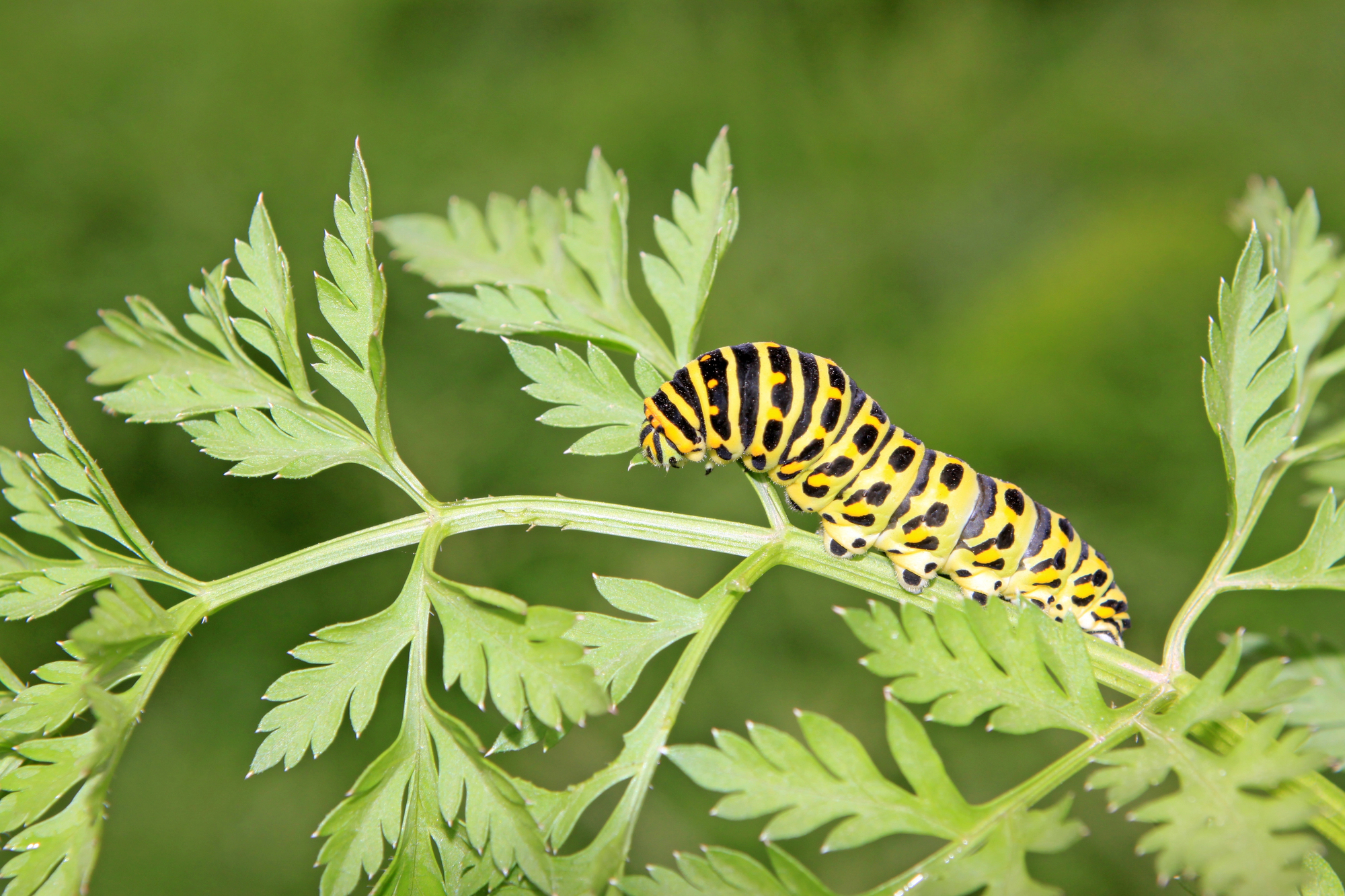
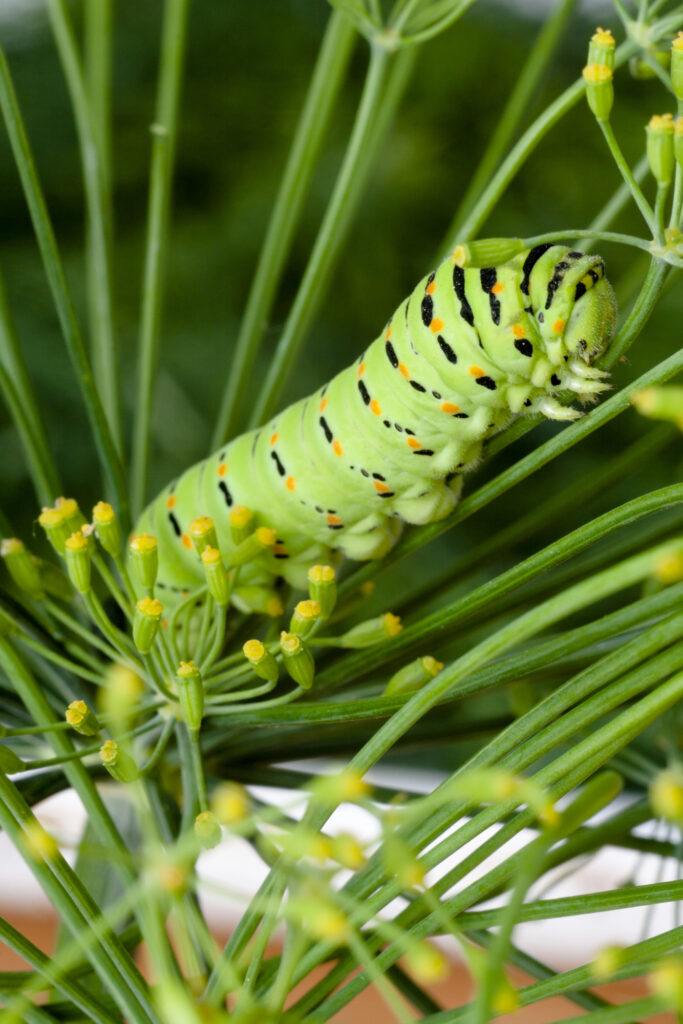
Host plants support the caterpillar stage. Each butterfly species has distinct preferences, so one host plant will not serve all species. Most gardeners skip host plants, but even one container makes a significant difference. Host plants also show natural wear from caterpillar feeding, so a separate pot keeps the “chewed” look from spreading into your decorative displays.
Common host plants for containers include milkweed for monarchs and parsley, dill, or fennel for swallowtails. These herbs grow well in pots and can handle the repeated feeding that happens as caterpillars grow. When placed near nectar containers, you create a compact space that supports multiple stages of the butterfly life cycle.
Light and Heat Are Key Factors
Butterflies rely on warmth to become active. Containers warm earlier in the morning than in-ground beds, which encourages earlier flight. A sunny exposure is ideal for most species. If your space gets partial sun, choose nectar plants that tolerate cooler conditions, such as verbena and pentas. Host plants are flexible and will perform well in both full sun and part sun spots.
You can boost warmth by placing pots near stone, brick, or concrete. These surfaces hold heat and help butterflies warm up for morning feeding.
Plant Suggestions by Exposure
Full Sun (6+ hours)
Lantana
Verbena
Pentas
Dwarf butterfly bush
Zinnias
Cosmos
Milkweed (host)
Part Sun (3–5 hours)
Verbena
Pentas
Compact marigolds
Parsley (host)
Dill (host)
Fennel (host)
Container Structure Helps Activity
Butterflies move between heights as they feed, rest, or search for host plants. Containers give you easy control over this structure. A tall nectar plant beside a low host plant creates a natural path that keeps butterflies in your space longer. Warm surfaces, small windbreaks, and grouped pots increase activity and make it easier for them to navigate on breezy days.
Why This Matters
Urban and suburban areas often have wide nectar gaps, especially late in summer. Container gardens fill these gaps with dependable bloom cycles and small pockets of habitat. When you combine nectar plants with even one host plant, you move from offering a quick snack to supporting real population growth. That shift makes your outdoor space a reliable stop for butterflies all season.
If you want to learn more about container gardening for pollinators, see our posts. Pollinator-Friendly Container Gardens for Other Pollinators and Bee-Friendly Container Gardening.
🌿 Gear Up for a Bee-Friendly Garden
Contains affiliate links, for full disclosure, see FTC Disclosure, here.
Looking for tools that actually work?
We’ve pulled together our favorite picks for beekeeping, gardening, and pollinator-friendly seeds—everything you need to support bees and grow a thriving space.
Browse the full list on Amazon — all in one spot.