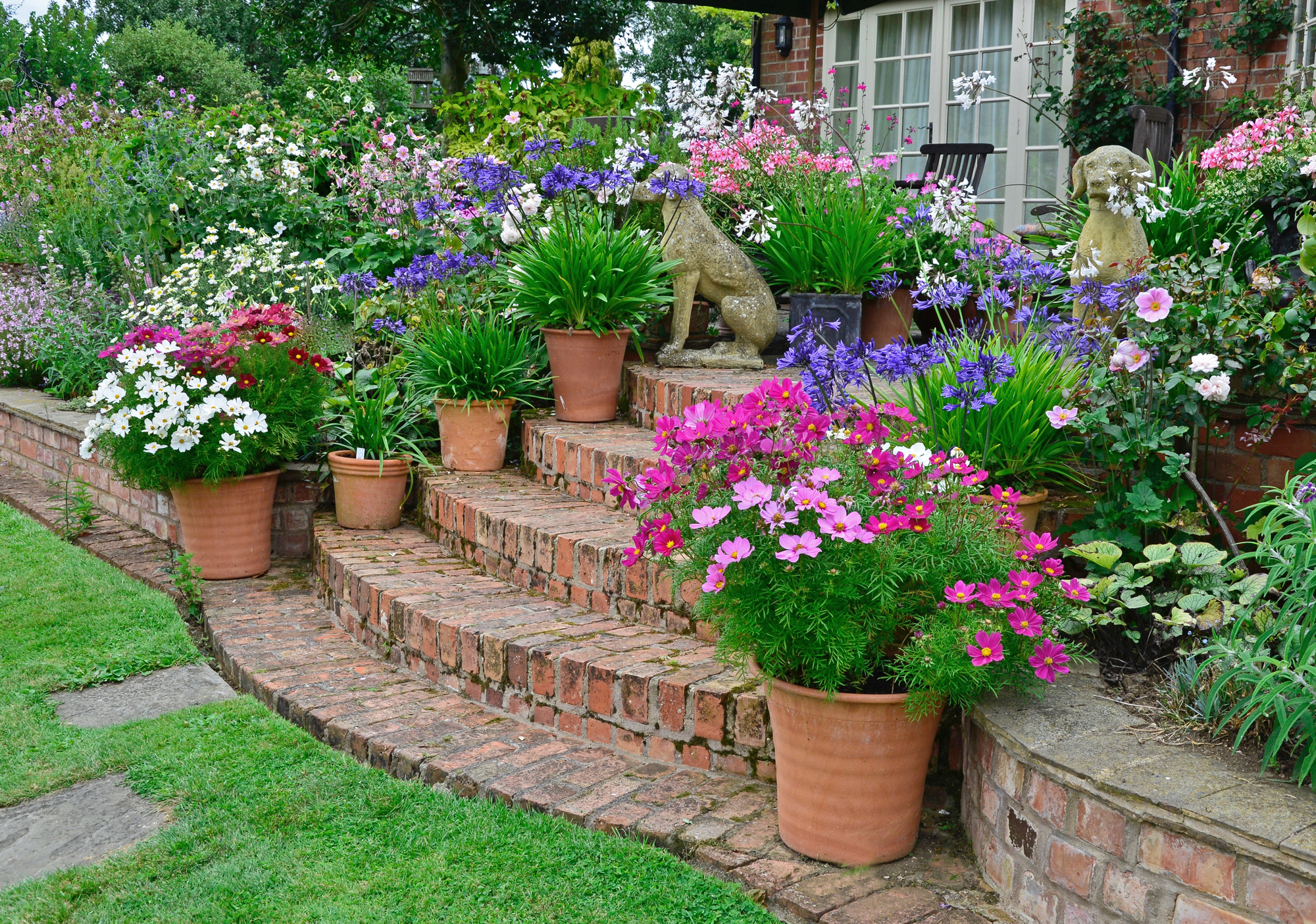
You do not need a huge yard to support pollinators. Bee-friendly container gardening is simply a few well-placed containers with pollinator-friendly flowers. They can offer steady food, shelter, and landing spots for bees all season long. Container gardening also lets you control soil, moisture, and light in ways that are harder to do in the ground. This makes them strong tools for giving bees what they actually need at each point in the year. The goal is simple. Pick plants that provide nectar or pollen, match them to the light you have, and keep enough variety to help different species.
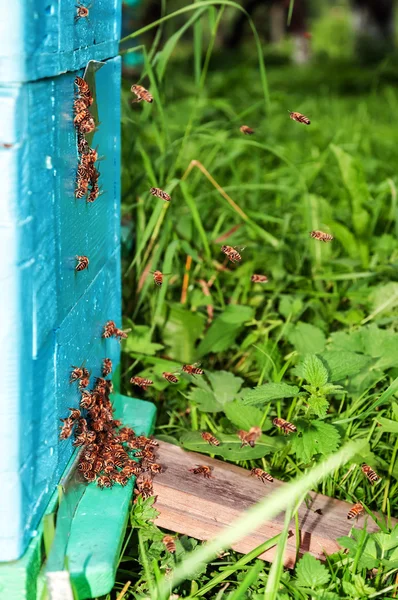
Light is the Key
Light is the main factor that decides what you can grow in containers. Many people guess their exposure. It helps to watch your space for a full day. Full sun means six hours or more of direct sunlight. Part sun means three to four hours of sun. Shade means less than three hours and a lot of reflected light. Each level supports pollinator plants, but the species of plants change with the conditions.
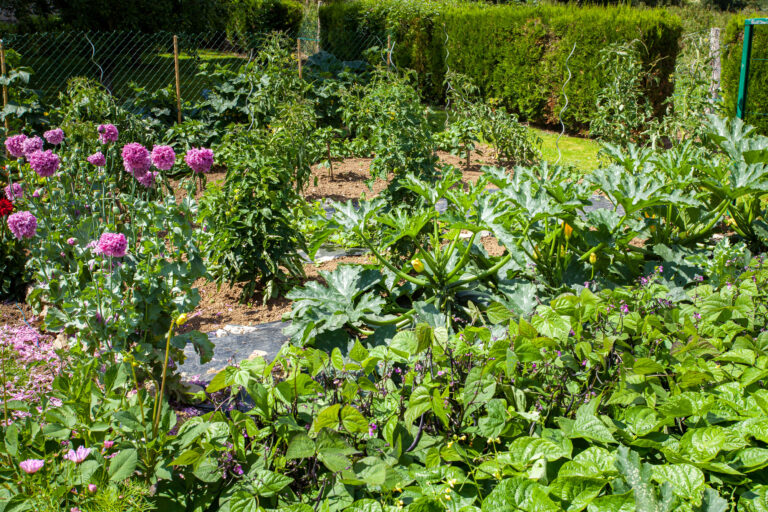
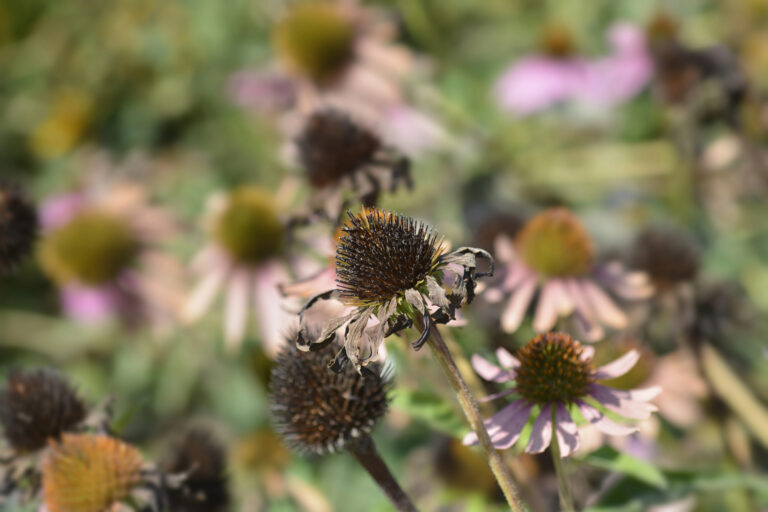
Full-sun containers attract the widest range of bees. These spots work well for plants that can handle heat and produce steady blooms. You can expect vigorous activity from spring to fall when you use a mix of heights and colors. Good options include lavender, dwarf sunflowers, catmint, basil left to flower, coreopsis, petunias and compact zinnias. Annuals are the best choice for containers, since they flower all season long. These plants give bees quick access to nectar and pollen without forcing them to spend extra energy searching. Even one tall plant paired with two lower ones creates a small structure that bees use to rest or move between blooms.
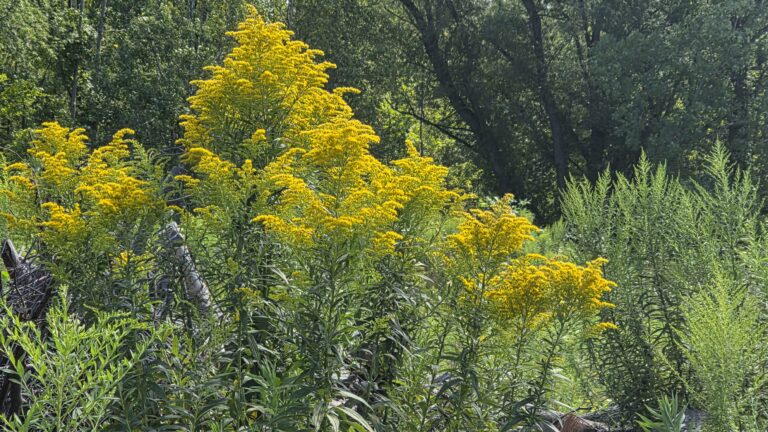
Part sun containers serve bees that prefer cooler spaces or shorter bursts of light. These setups do well on porches, city balconies, and side yards that lose direct light in the afternoon. Plants for these spots stay productive without overheating. Good choices include calendula, borage, chives, oregano, dwarf goldenrod, and phacelia. These species are known for long bloom times and accessible flower shapes. Bees with shorter foraging windows often use these plants because they open early in the day and recover quickly after rain or wind. A container in part sun can support a surprising variety of small native bees that avoid strong heat.

Shade containers help fewer species, but they still play a role. Many small bees rest in cooler spaces, and some plants bloom even with low light. These containers also offer shelter on hot days when bees need a break. Plants that cope with shade include coleus left to seed, native woodland strawberry, heuchera, ajuga, and certain kinds of lamium. Their blooms are not heavy nectar producers, but they give bees small resources when other areas run dry. Shade containers also support hoverflies, which help with pollination and control pests.
Water and soil matter, but containers make them simpler to manage. Good drainage keeps roots healthy, which supports more blooms. Consistent moisture gives plants enough strength to produce nectar. Using a few different pot sizes creates micro spots of shade and shelter that flying insects use during heat spikes.
When you mix exposures across a patio or balcony, you create a small network of food sources that bees can move between. This helps early-season bees that wake up before most flowers open. It also helps late-season bees that need strong plants when summer heat wears everything down. Even one or two containers in the right place can carry a surprising amount of value.
Want to learn more about helping bees? See our article Turning Your Yard Into a Fall Pollinator Garden Refuge or Turning Your Yard Into a Fall Pollinator Garden Refuge.
🌿 Gear Up for a Bee-Friendly Garden
Contains affiliate links, for full disclosure, see FTC Disclosure, here.
Looking for tools that actually work?
We’ve pulled together our favorite picks for beekeeping, gardening, and pollinator-friendly seeds—everything you need to support bees and grow a thriving space.
Browse the full list on Amazon — all in one spot.