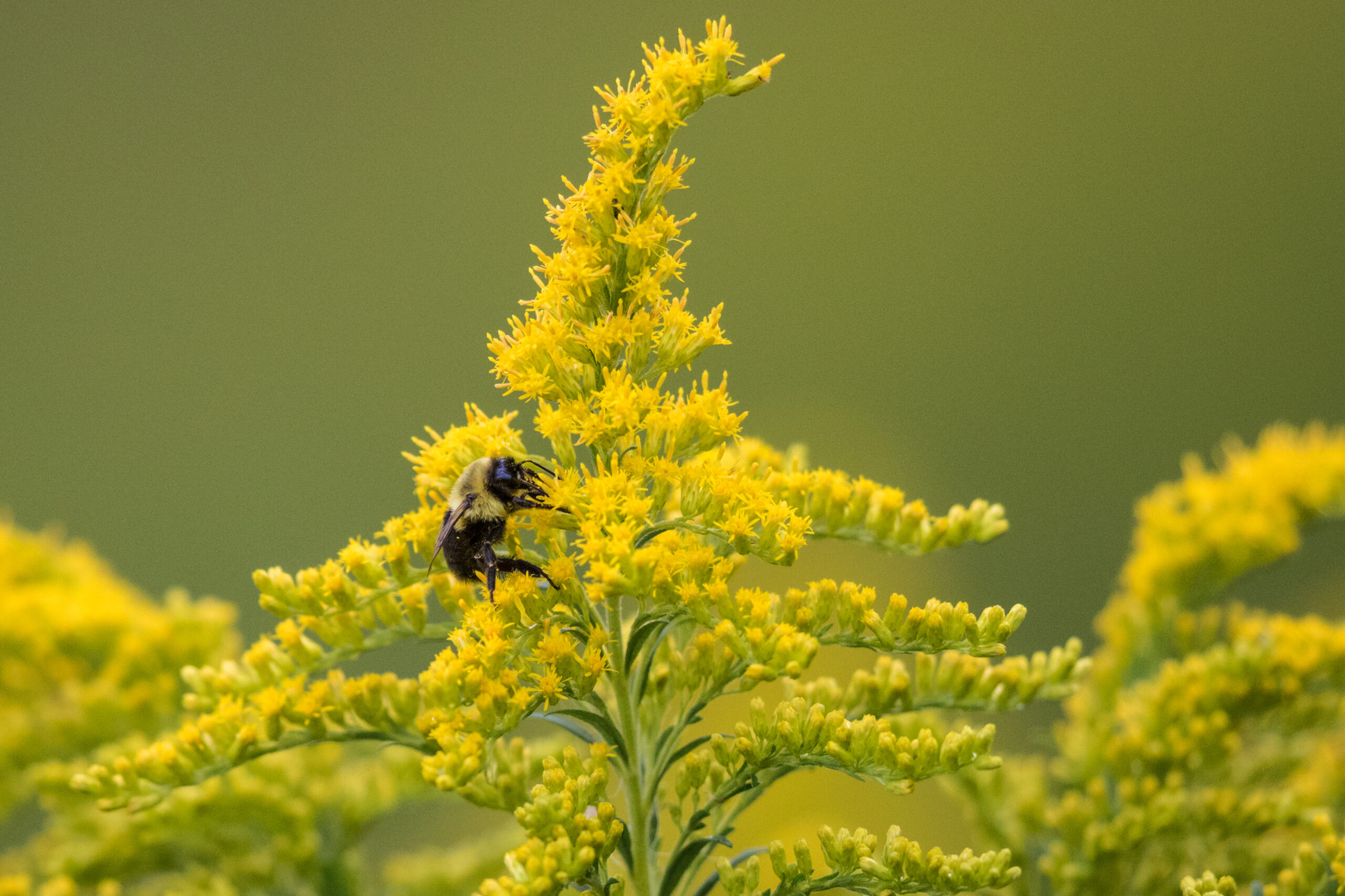
Most people assume bees visit every flower they see. A yard full of blooms looks like an endless buffet to us. In reality, bees can be surprisingly selective.
Sometimes a flower gets completely ignored while another nearby is covered in pollinators. That is not random behavior. Bees constantly make decisions based on energy, reward, timing, and even flower shape. If a flower does not offer enough value, bees often move on.
Not Every Flower Offers Enough Food
Bees need nectar for energy and pollen for protein. Flowers that produce very little of either are often skipped.
Researchers have found that bees quickly learn which flowers are worth visiting. If a bloom consistently offers weak nectar or poor pollen, bees remember it and spend their time elsewhere. They are surprisingly efficient foragers.
Some flowers may already have depleted nectar because earlier visitors emptied them. Bees can sometimes detect this through scent cues left behind by other bees or small chemical changes in the flower itself. Instead of wasting energy, they focus on flowers that provide reliable rewards.
Some Flowers Are Hard To Access
Not all flowers are built the same way. Some have deep tubular blooms or complicated structures that make it difficult for certain bees to reach the nectar inside. These flowers may be better for lesser pollinators like hummingbirds or humminbird moths. A flower may look beautiful to people but still be nearly useless to a bee.
Color also matters. Bees do not see the world the way humans do. They are especially attracted to ultraviolet patterns along with blue and violet shades. Many flowers that look bright red to us may not stand out much to bees unless the petals reflect ultraviolet light.
Scent plays a role too. Bees are attracted to sweet floral fragrances. Flowers with weak scents or unusual chemical compounds may be less appealing.
Some Flowers Actually Repel Bees
Not every plant wants every pollinator. Some flowers produce chemical compounds called pheromones that discourage bees while attracting other insects or animals instead. Others may contain bitter or toxic substances that make the nectar less attractive.
In some cases, this helps protect the plant from having its nectar stolen before successful pollination occurs. Nature tends to reward efficiency. Plants and pollinators often evolve together over time, forming relationships that benefit both sides.

Timing Matters More Than People Realize
Even a flower loaded with nectar can be ignored if bees are not active when it blooms. Many flowers release nectar only during certain hours of the day. Some open early in the morning, while others become more productive later in the afternoon.
Bee activity changes with temperature, sunlight, and seasonal conditions. Cool mornings, rain, or strong winds can dramatically reduce foraging activity.
Climate shifts may also create timing problems. In some regions, warmer temperatures are causing plants to bloom earlier than usual. If bees have not adjusted their life cycles at the same pace, flowers may peak before pollinators are fully active.
That mismatch can shorten the narrow window where both species depend on each other.
Bees Are Efficient, Not Picky
When bees ignore certain flowers, they are not making random choices. They are constantly weighing effort against reward. Flowers that lack strong nectar production, accessible shapes, attractive scents, or proper timing often get passed over. This selective behavior helps bees conserve energy while pollinating the plants that best support them.
The result is a system that looks chaotic at first glance but is actually remarkably organized once you slow down and watch it.
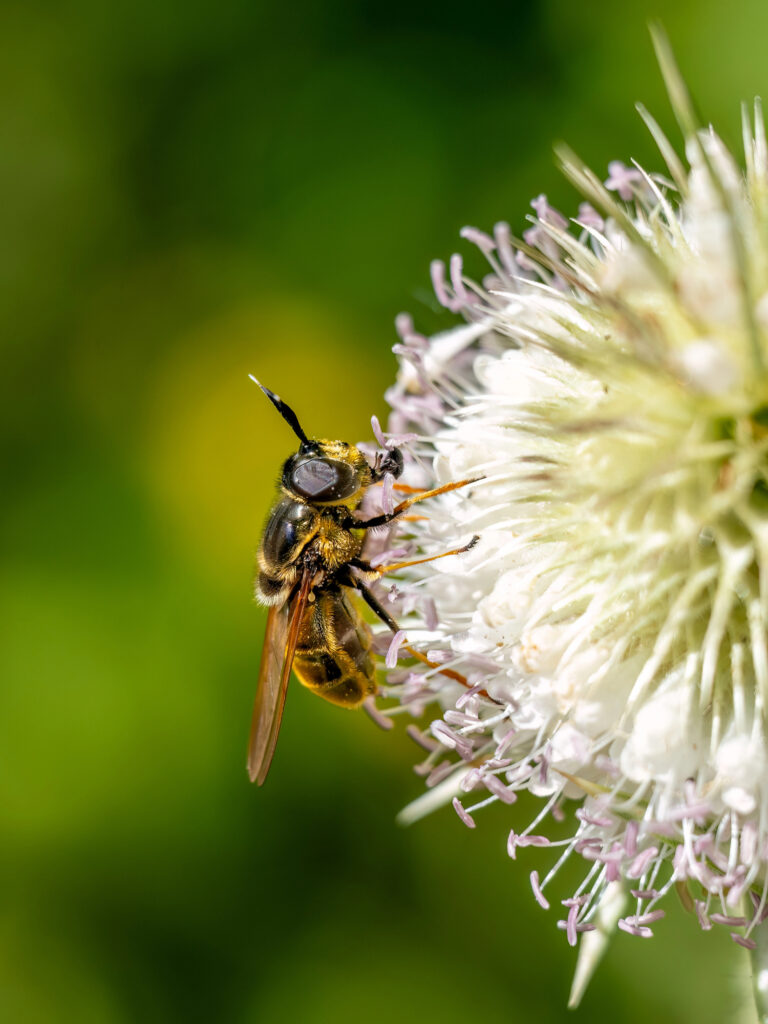
Bees ignore certain flowers not out of preference alone, but rather because they learn that those blooms fail a very practical test: Do I get enough nutrition for the effort I spend? They skip flowers that don’t offer a good return on investment for various reasons, but this selective behavior keeps pollination efficient and helps maintain balanced ecosystems.
🌿 Gear Up for a Bee-Friendly Garden
Contains affiliate links, for full disclosure, see FTC Disclosure, here.
Looking for tools that actually work?
We’ve pulled together our favorite picks for beekeeping, gardening, and pollinator-friendly seeds—everything you need to support bees and grow a thriving space.
Browse the full list on Amazon — all in one spot.