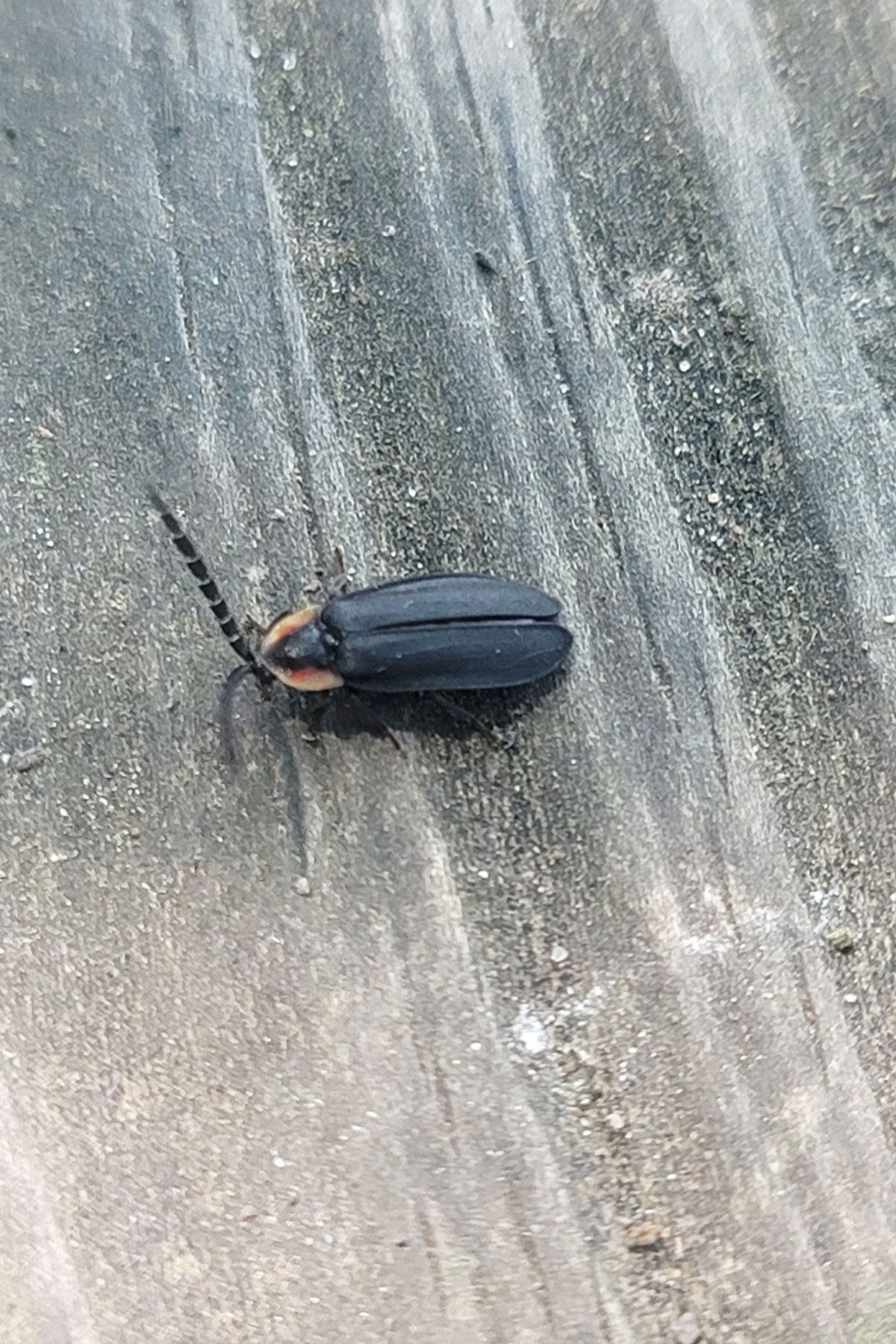
When I was a kid in the 1960s and 70s, fireflies were everywhere. Later, when my own kids were little, we would go outside at dusk and chase them around the yard.
It felt normal then. Summer nights blinked with light. In many places now, they do not.
A few years ago, nights around Bees Haven felt almost dead. The fireflies had dropped off so much that it was honestly depressing.
But over the last couple of summers, they have started coming back.
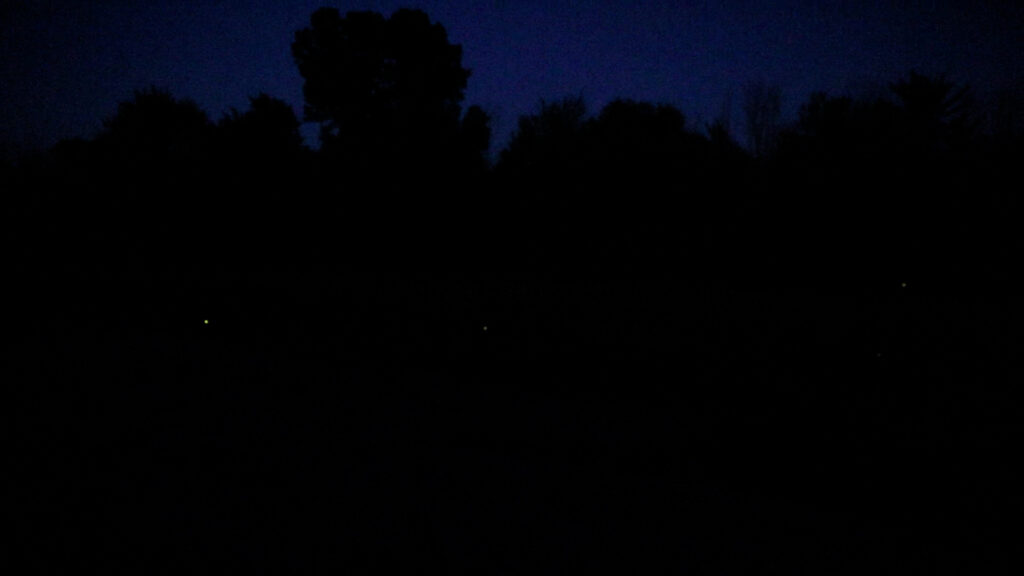
On warm nights now, the fields begin flickering again just after sunset. Not like they once did, but enough to remind us what used to feel common across much of the country.
Most people think of fireflies as harmless summer nostalgia. In reality, they are part of a much bigger ecosystem story.
Fireflies are surprisingly sensitive to environmental change. Their larvae spend up to two years living in soil, leaf litter, and damp areas before ever lighting up the night sky as adults. During that time, they depend on moisture, shelter, healthy soil, and a steady supply of small prey like slugs and worms.
When those conditions disappear, fireflies usually do too.
Why Fireflies Are Struggling
One of the biggest problems is habitat loss. Perfectly manicured lawns may look tidy to people, but they do not offer much for fireflies. Short grass dries quickly, removes shelter, and eliminates many of the damp hiding places larvae need to survive.
Leaf litter matters too. Many people remove every fallen leaf in autumn, but those leaves help protect overwintering insects and maintain moisture near the soil surface.
Wet areas are important as well. Fireflies tend to thrive near ponds, marshy edges, damp fields, and woodland borders. As more wetlands disappear or become heavily managed, fewer places remain where fireflies can complete their life cycle.
Pesticides also play a major role. Lawn chemicals do not only affect pests. They can impact the insects and small organisms that firefly larvae depend on for food.
Too Much Light
Artificial light may be one of the most overlooked threats. I still catch myself telling Eric to turn the outside lights off at night. We have lights around the house too, and it drives me crazy sometimes.
It is easy to forget that darkness is part of the habitat.
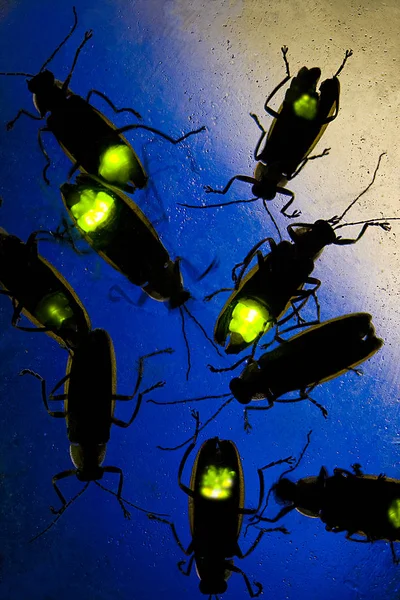
Fireflies communicate through light signals. The flashing patterns people enjoy watching are actually part of how males and females find each other. Bright outdoor lighting can interfere with those signals and make it harder for fireflies to reproduce successfully.
Porch lights, floodlights, commercial lighting, and light pollution spreading into rural areas all affect species that evolved to depend on darkness.
In some places, nights never truly get dark anymore.
Why the Decline at Bees Haven?
I’ve tried to pinpoint the reason for the decline in lightning bugs on our property. The property has always been wet, so I do not think habitat loss alone explains what happened here. Looking back, I suspect several unusually dry summers played a major role.
Even wetlands change during drought. Shallow edges dry out, leaf litter loses moisture, and the damp conditions many insects depend on begin to disappear. And since the larvae depend on those wet areas, it took several years for the lightning bugs to recover.
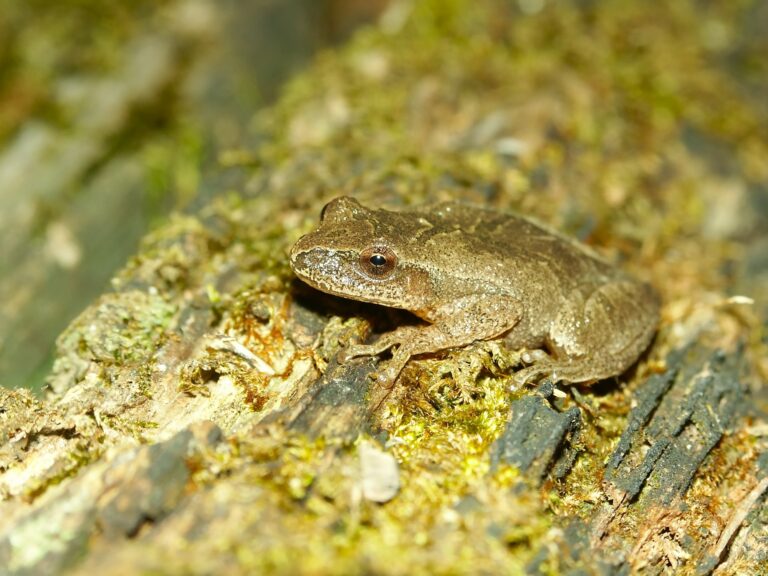
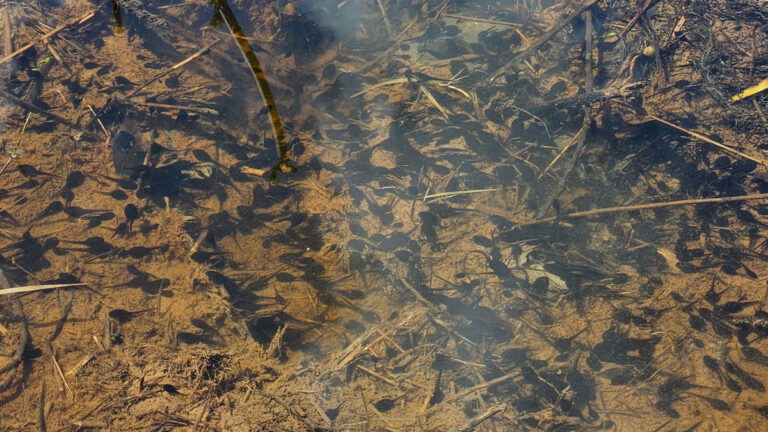
Fireflies and amphibians are especially sensitive to those changes.
Small Changes Can Help
The encouraging part is that fireflies can return when the habitat improves.
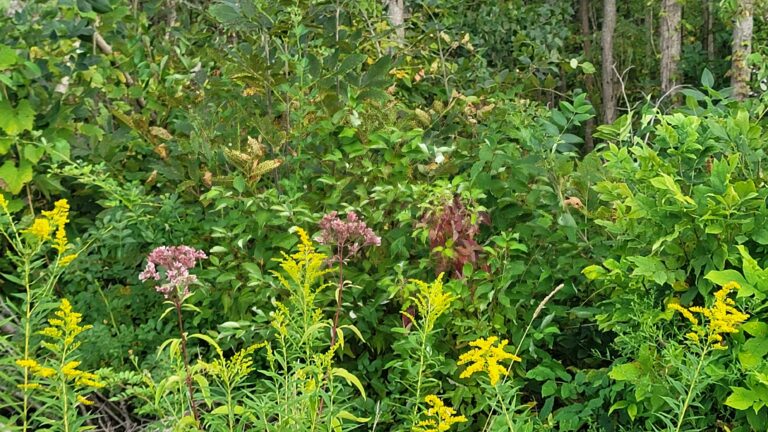
Leaving parts of a yard slightly wild, reducing pesticide use, keeping leaf litter in place, planting native vegetation, and protecting damp areas can all help support firefly populations.
That seems to be part of what happened at Bees Haven. We stopped mowing a three-acre patch around the house and have returned it to the native plants.
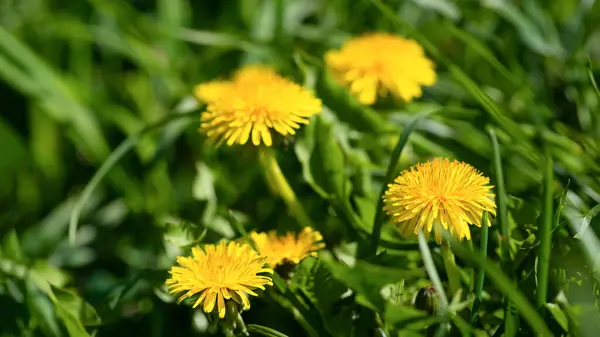
We continue to mow some of it for people and to support the dandelions, which are early food for pollinators. Dandelions become overtaken by some of the taller natives.
Summer nights feel alive again.
🌿 Gear Up for a Bee-Friendly Garden
Contains affiliate links, for full disclosure, see FTC Disclosure, here.
Looking for tools that actually work?
We’ve pulled together our favorite picks for beekeeping, gardening, and pollinator-friendly seeds—everything you need to support bees and grow a thriving space.
Browse the full list on Amazon — all in one spot.