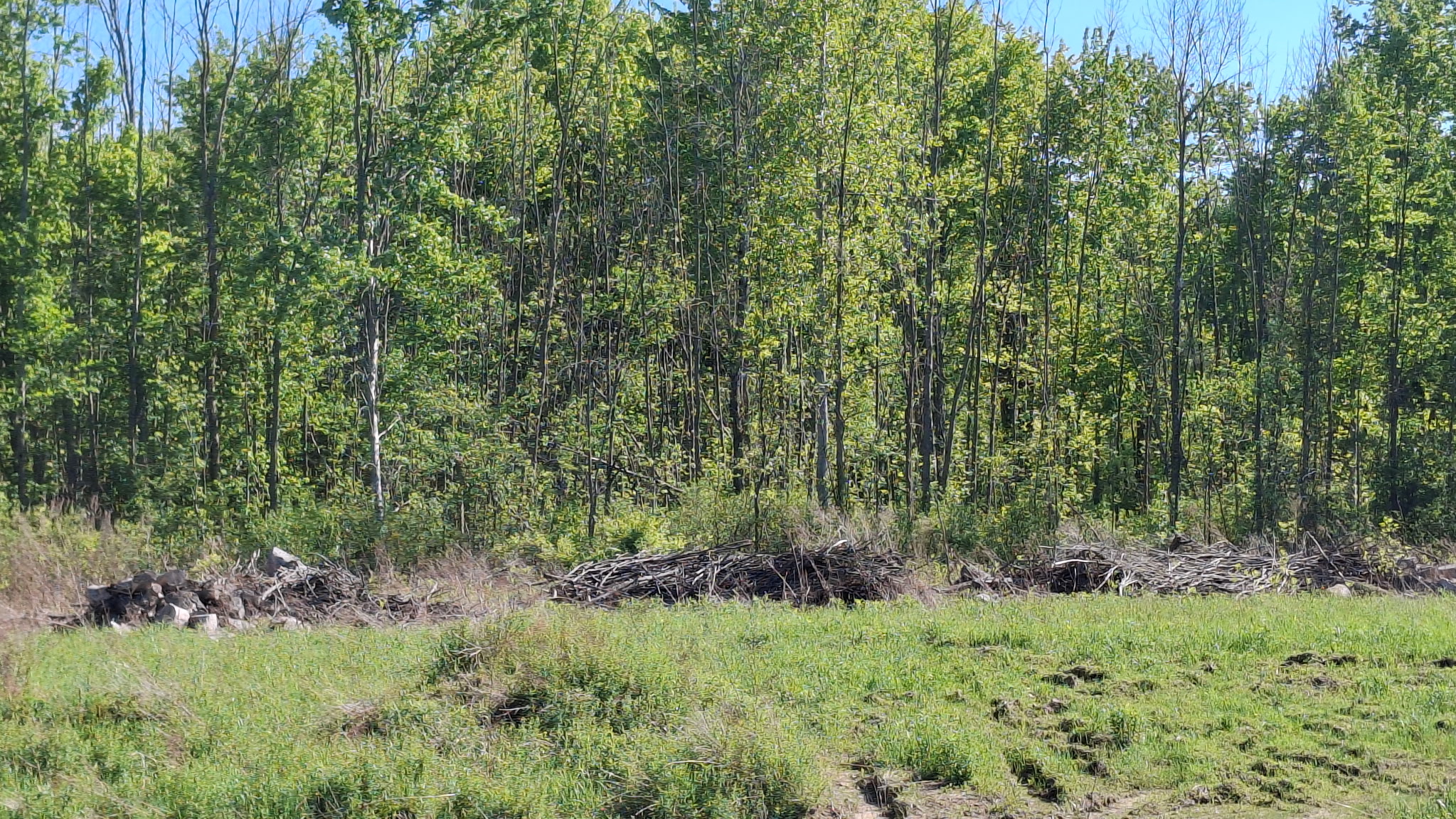
Most people see a brush pile and think of a mess. Wildlife sees shelter.
At Bees Haven, we have brush piles scattered throughout the property. Eric originally kept many of them for the rabbits, but we knew they would support far more wildlife than that.
A brush pile may not look like much at first glance. To animals, though, it can function like a condo.
The outer branches create hiding places for birds and rabbits. The shaded interior stays cooler and damper than the surrounding field. Leaves collect underneath. Insects move in. Fungi begin breaking down the wood. Over time, an entire small ecosystem forms around what most people would haul away or burn.
Why Wildlife Uses Brush Piles
One of the biggest reasons animals use brush piles is protection.
Open lawns may look neat to people, but they leave small animals exposed. Brush piles give rabbits, chipmunks, toads, snakes, and birds a place to hide from predators and harsh weather.
Foxes use them too. In the spring, you can catch a glimpse of kits playing and learning how to survive.
At Bees Haven, we often see signs of wildlife moving in and around the piles. Tracks appear nearby, trails form through the grass, and birds constantly dart in and out of the branches.
The piles create what ecologists call edge habitat. These transition zones between open areas and shelter tend to support a huge amount of biodiversity.
Brush Piles Create Microclimates
One reason brush piles support so much life is that conditions inside them differ from the surrounding landscape.
The interior stays cooler during hot weather and holds moisture longer after rain. In winter, snow and leaves help insulate the spaces underneath. For insects, amphibians, and small animals, those protected conditions can mean the difference between survival and death.
That becomes especially important during drought years and extreme weather. Even small habitat features can help wildlife ride out difficult conditions long enough for populations to recover.
Brush Piles Help More Than Mammals
The benefits do not stop with larger animals. As wood slowly breaks down, brush piles attract insects, beetles, spiders, worms, fungi, and other decomposers that help recycle nutrients back into the soil.
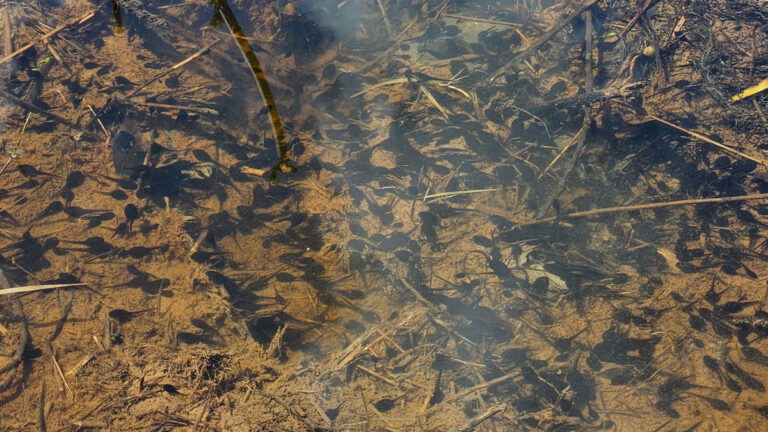
Moisture stays trapped underneath the pile much longer than it would in exposed grass. That creates habitat for salamanders, frogs, toads, and countless tiny organisms that people rarely notice.
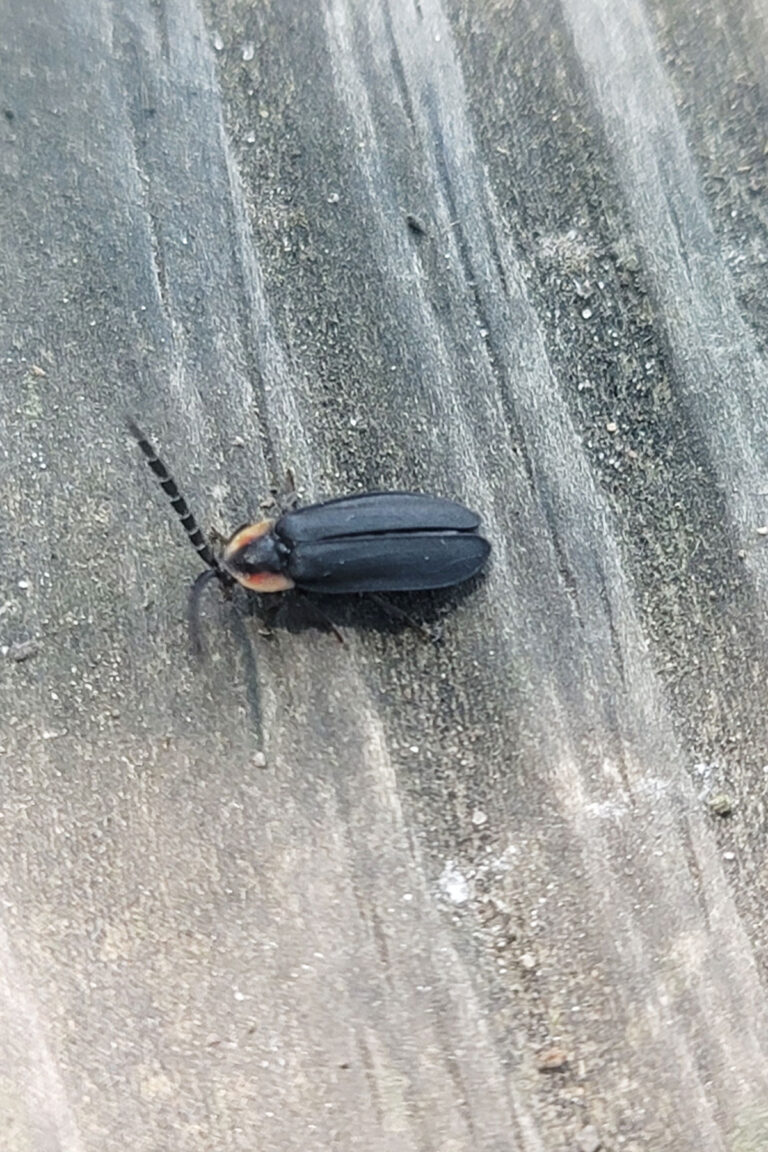
Pollinators benefit too. Many native bees overwinter in hollow stems, dead wood, leaf litter, and protected cavities near the ground. Fireflies also spend much of their lives hidden in damp soil and organic material before appearing as adults on summer nights.
A perfectly cleaned-up yard removes many of those hiding places.
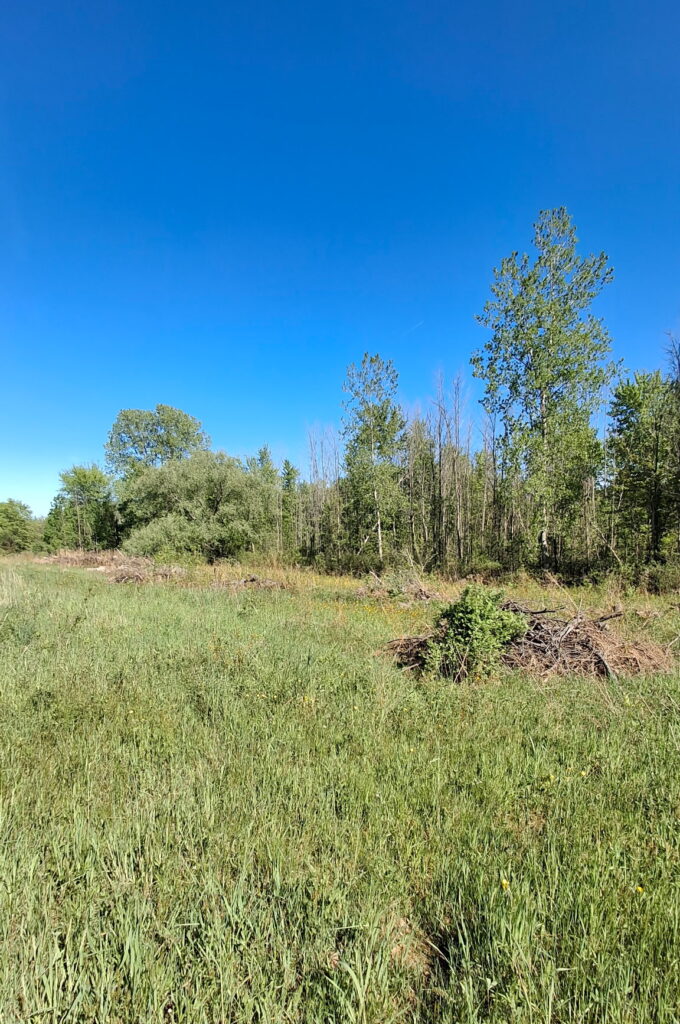
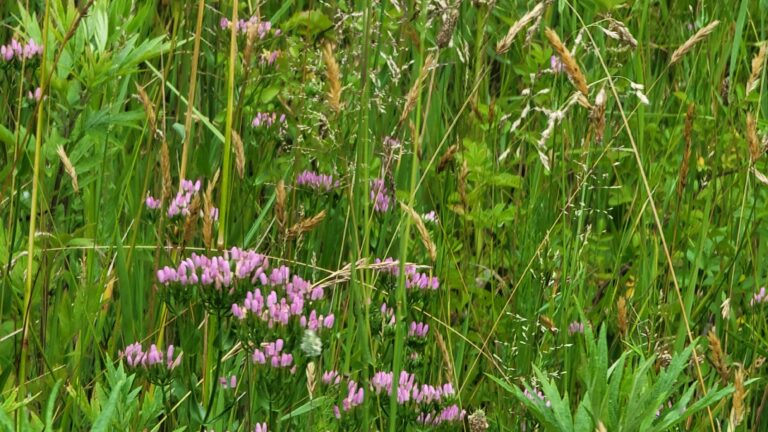
Not every part of a property grows the same way. Some of the brush pile areas at Bees Haven sit on higher, drier, rockier ground where even aggressive pioneer trees struggle to take hold. That leaves more open edge habitat for grasses, insects, rabbits, and ground-level wildlife. The photo above is one such area, which is why the brush piles are so beneficial here.
Messy Areas Often Support More Life
Modern landscaping tends to favor clean edges and open lawns, but nature usually works differently.
Some of the busiest parts of Bees Haven are the places many people would consider untidy. Brush piles, taller grass, wet edges, fallen branches, and native plant areas all support layers of life that disappear in heavily maintained landscapes.
That does not mean every yard needs to become completely wild. But leaving a few natural areas can make a much bigger difference than many people realize.
Small Habitat Changes Add Up
One brush pile will not save an ecosystem on its own. But small habitat features begin stacking together over time.
A brush pile near taller grass. A wet area left unmowed. Native plants replacing part of a lawn. Leaf litter left beneath trees. Darkness at night instead of floodlights.
Each one supports another piece of the food web. Eventually, the results become noticeable. You hear more frogs at night. More birds move through the property. Fireflies return. Rabbits raise young nearby. Foxes pass through the edges.
The landscape starts feeling alive again.
Related Reading
🌿 Gear Up for a Bee-Friendly Garden
Contains affiliate links, for full disclosure, see FTC Disclosure, here.
Looking for tools that actually work?
We’ve pulled together our favorite picks for beekeeping, gardening, and pollinator-friendly seeds—everything you need to support bees and grow a thriving space.
Browse the full list on Amazon — all in one spot.