A major new scientific assessment has found that more than one in five native pollinators in North America are now at elevated risk of extinction, according to Natureserve.org. The finding is drawing concern from researchers because it points to long-term changes in ecosystems that are already under stress.
Pollinators Are More Than Honey Bees
When pollinators are discussed, honey bees usually dominate the conversation. Honey bees are important, but they are not native to North America. Thousands of native pollinator species live across the continent, including native bees, butterflies, moths, beetles, flies, and wasps. Many of these species are now declining quietly, without the same public attention or protection.
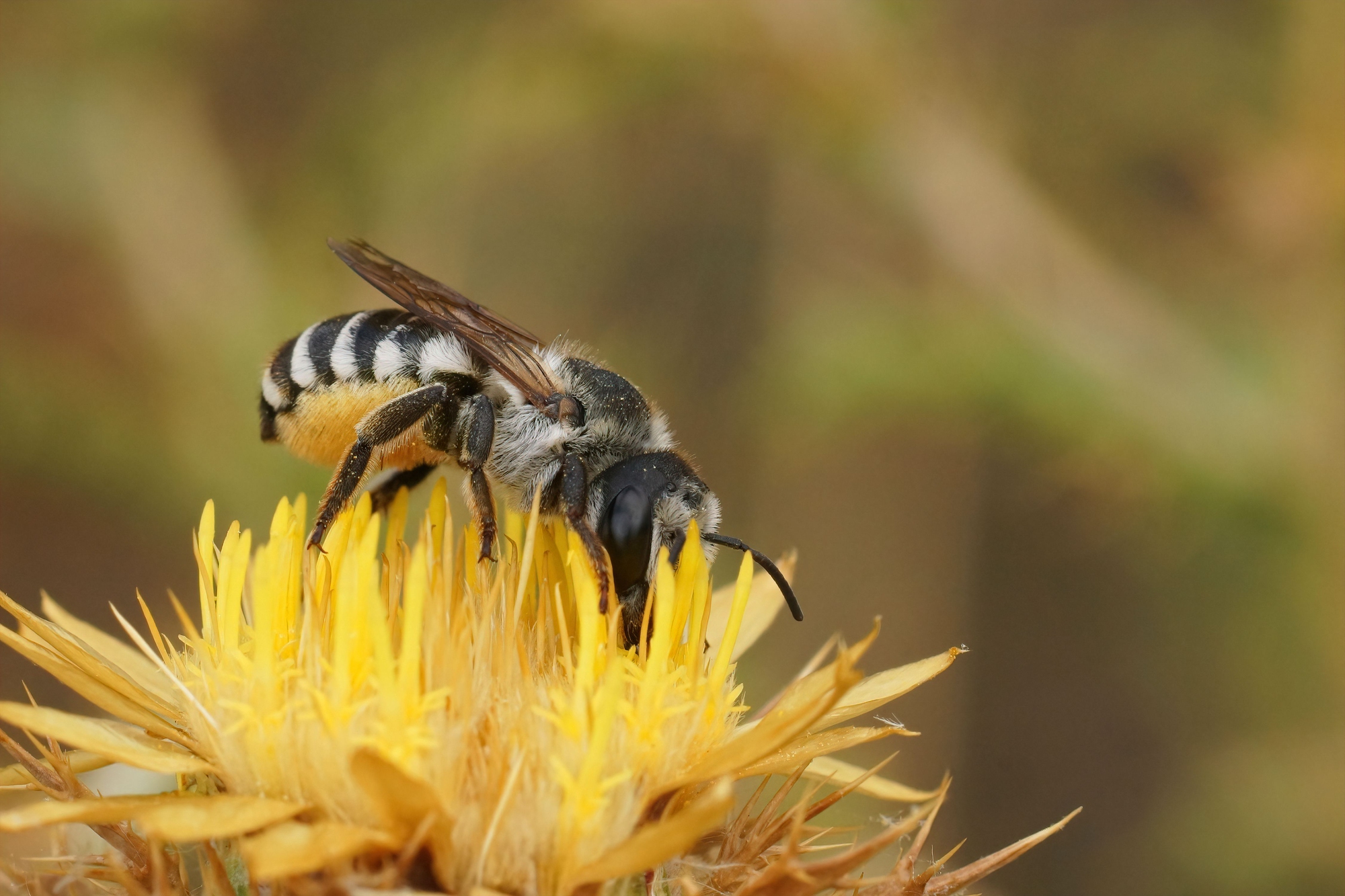
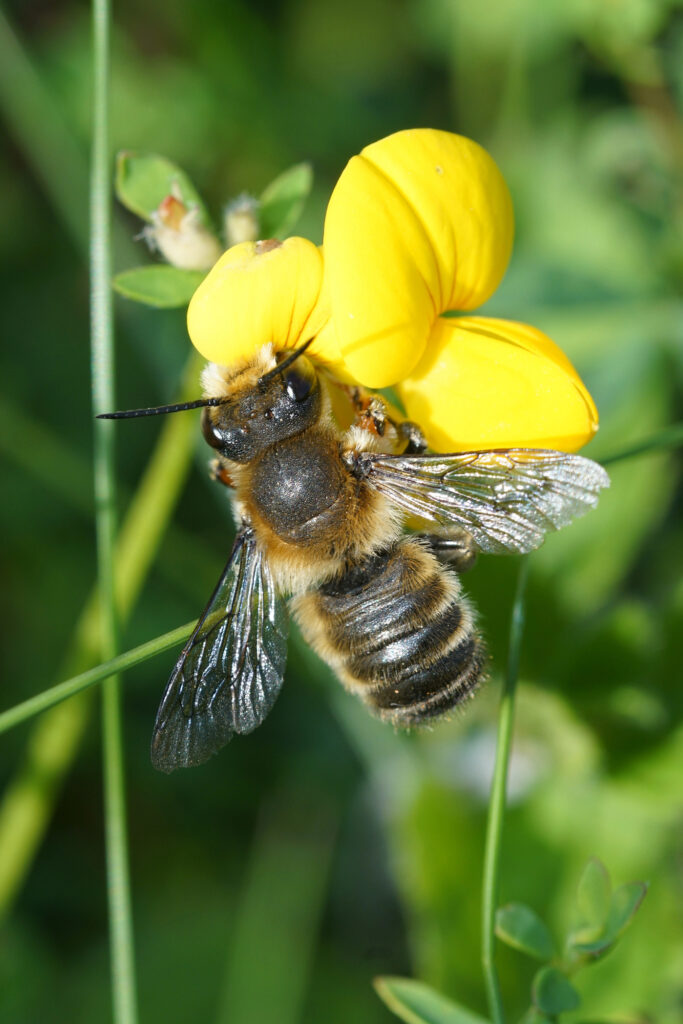
Native bees make up the largest share of at-risk pollinators in the report. Groups such as leafcutter bees and digger bees were flagged as especially vulnerable. These bees live very different lives from honey bees. They do not form large colonies or produce honey. Most live solitary lives, nesting in soil, hollow plant stems, or decaying wood.
Native Bees Are Among the Most Vulnerable
Because of this, native bees are closely tied to the condition of their immediate surroundings. Practices that seem harmless, such as heavy mulching, frequent soil disturbance, or removing dead plant material, can eliminate nesting sites entirely. Even small changes in how yards, roadsides, and field edges are managed can have a large impact on these species.
Native pollinators also fill roles that honey bees cannot. Many native bees are active earlier in spring, later in fall, or during cooler, cloudier weather. Some plants depend almost entirely on native pollinators. Without them, those plants produce fewer seeds and weaker offspring, which can ripple through the food web.
The assessment points to several overlapping causes behind the decline. Habitat loss remains one of the largest drivers. As natural areas are fragmented or converted to lawns, pavement, or monoculture plantings, pollinators lose both food and shelter. Pesticide exposure continues to be a problem, especially for species that nest in soil or forage close to the ground.
Climate-related changes are adding another layer of stress. Warmer winters and early spring heat can cause plants to bloom before pollinators are active. Late frosts can then wipe out the flowers that pollinators depend on. The timing difference leaves pollinators without reliable food sources at critical points in their life cycles.
Why Native Pollinators Matter So Much
The loss of native pollinators affects more than just individual species. Pollinators support healthy ecosystems by helping plants reproduce and maintain genetic diversity. Those plants, in turn, support insects, birds, and mammals. When pollination declines, entire systems become less stable and less resilient.
Food systems are also affected. Native pollinators contribute to the pollination of many fruits, vegetables, and seed crops. While honey bees are often used in large-scale agriculture, native pollinators provide backup and improve overall pollination success. Losing that diversity makes food production more vulnerable.
Small Changes Can Still Help
Despite the seriousness of the findings, researchers stress that native pollinators can rebound when conditions improve. Many species respond quickly when their habitats are restored or better managed. Simple actions can help. Leaving patches of bare soil supports ground-nesting bees. Allowing plants to flower fully and set seed increases food availability. Keeping stems and leaves in place through winter provides shelter.
Protecting native pollinators does not require perfection. It starts with recognizing that these species live all around us, often unnoticed. Small choices, repeated across many yards and landscapes, can create a connected habitat that supports pollinators year after year.
The assessment serves as both a warning and a reminder. Native pollinators have survived alongside North American landscapes for thousands of years. With a little space and consideration, they still can.
Interested in more Bee News? See our What the Honey Integrity Act Would Do and How to Respond.
🌿 Gear Up for a Bee-Friendly Garden
Contains affiliate links, for full disclosure, see FTC Disclosure, here.
Looking for tools that actually work?
We’ve pulled together our favorite picks for beekeeping, gardening, and pollinator-friendly seeds—everything you need to support bees and grow a thriving space.
Browse the full list on Amazon — all in one spot.