Imagine finding your way home without a map, a phone, or even a landmark in sight. Bees do it every day. New research suggests they might outcompete GPS in accuracy. Scientists studying bee navigation have discovered that these pollinators can memorize complex routes, adjust for wind and light conditions, and even share travel directions through the famous “waggle dance.” Understanding how bees navigate could improve our knowledge of animal behavior and inspire new technologies in robotics and mapping. (University if Illionois Extension)
How Bee Navigation Works
Bee navigation relies on multiple tools at once. Bees process visual cues from the landscape, track the position of the sun, and sense light patterns invisible to humans. Together, these methods create a mental map of their surroundings. This multi-layered system allows bees to adapt quickly if the weather or obstacles change their path.
Built-In Sun Compass
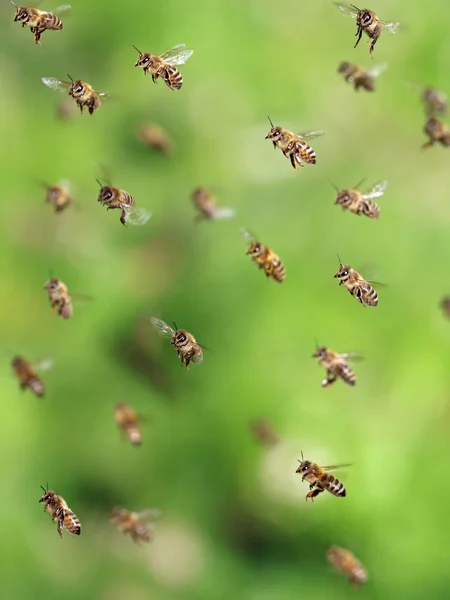
Bees use the sun’s position as a primary directional guide. As the sun moves across the sky, they adjust their flight angle to stay on course. They can also factor in the time of day, which helps them keep their routes accurate even as light shifts.
Polarized Light Vision
On cloudy or overcast days, bees turn to polarized light for navigation. The sky scatters sunlight in patterns that bees can detect with special eye structures. This skill lets them orient themselves when the sun is hidden from view.
Landmarks and Memory
Bees recognize and remember visual features like trees, flowers, and building shapes. They combine these landmarks into mental maps, allowing them to retrace successful routes and avoid obstacles. This memory-driven navigation is critical for returning to rich food sources.
The Waggle Dance as a Map
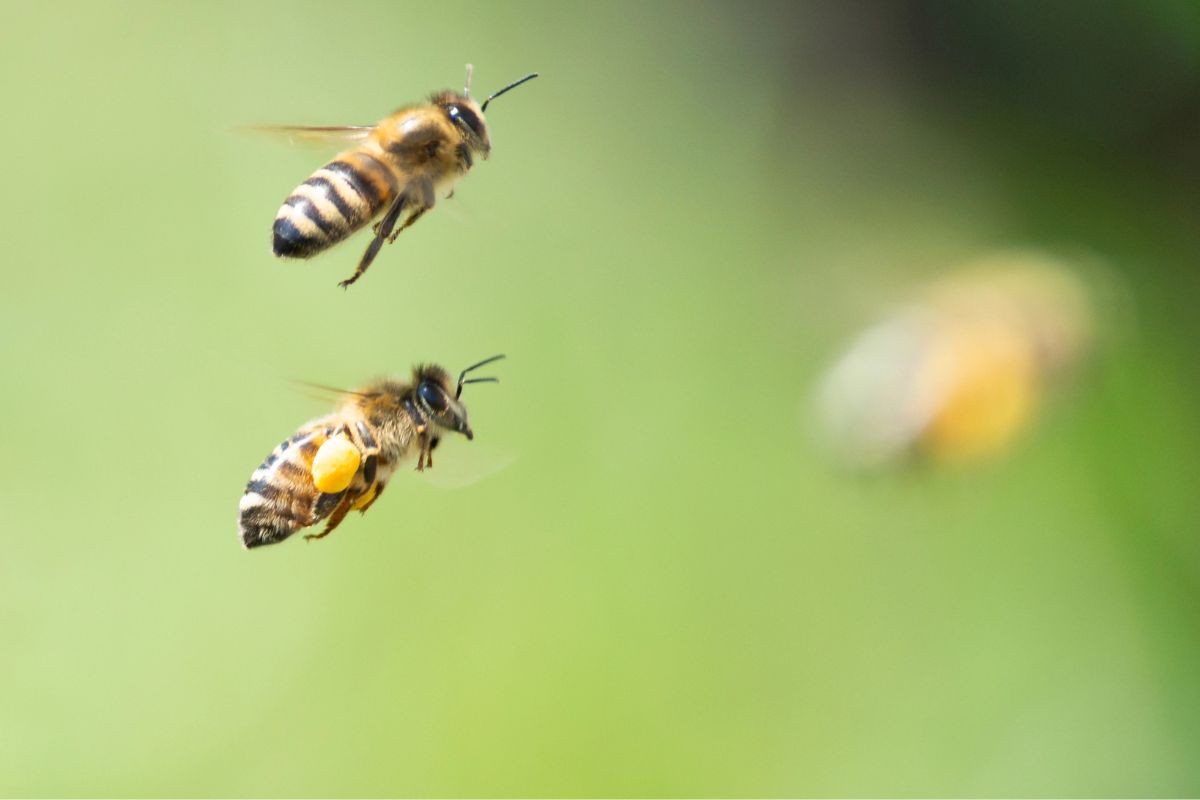
Inside the hive, bees perform the waggle dance to share directions. The angle of the dance shows the direction relative to the sun, and the duration of the waggle indicates distance. This communication method is so precise that other bees can find the exact location without ever seeing it before.
Measuring Distance in Flight
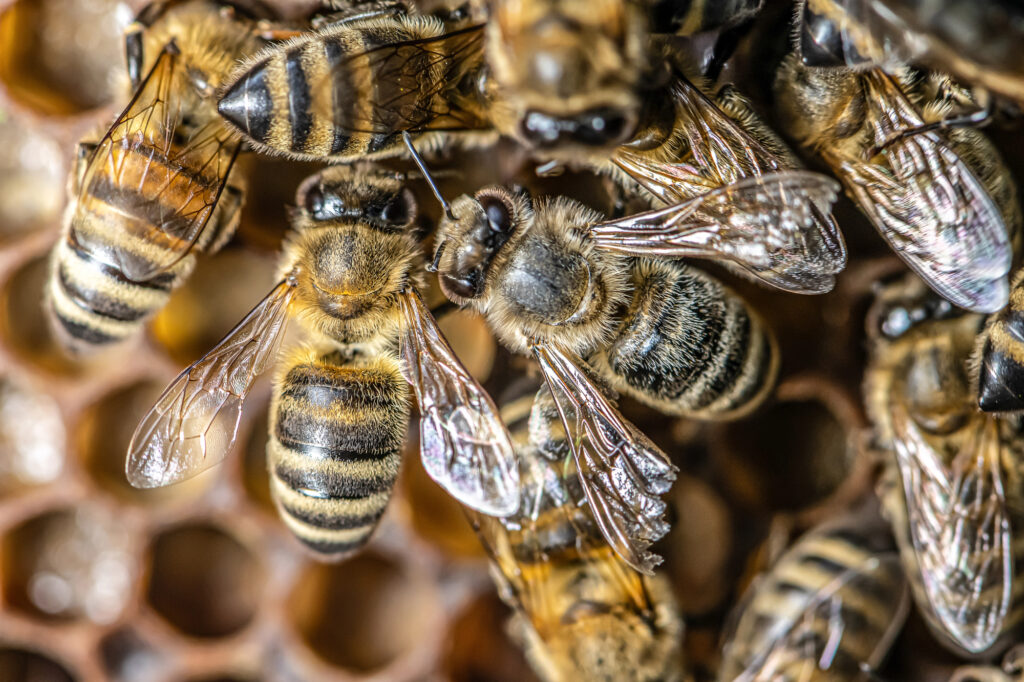
Bees gauge distance by counting visual patterns in the landscape and estimating how far they have traveled. Researchers believe they also track the number of wingbeats during a trip. This combination of visual and physical measurements helps them know when they are close to their destination. (The Journal of Experimental Biology)
Comparing Bee Navigation to GPS
GPS uses satellites to calculate position, but bees navigate without external signals. In environments with tall buildings, forests, or tunnels where GPS might fail, bee navigation can remain reliable. This has led scientists to explore whether bee-inspired systems could improve drone mapping and rescue operations. (The Naked Scientists).
Help Pollinators Thrive
Bee navigation is an incredible natural skill worth protecting. Plant pollinator-friendly flowers, avoid pesticides, and maintain safe habitats to support their survival.
Learn how to make your yard a must-visit stop for pollinators in our post These 13 Native Plants Turn Your Yard Into A Polinator Magnet. You can also learn about Pollinator Week.
🌿 Gear Up for a Bee-Friendly Garden
Contains affiliate links, for full disclosure, see FTC Disclosure, here.
Looking for tools that actually work?
We’ve pulled together our favorite picks for beekeeping, gardening, and pollinator-friendly seeds—everything you need to support bees and grow a thriving space.
Browse the full list on Amazon — all in one spot.