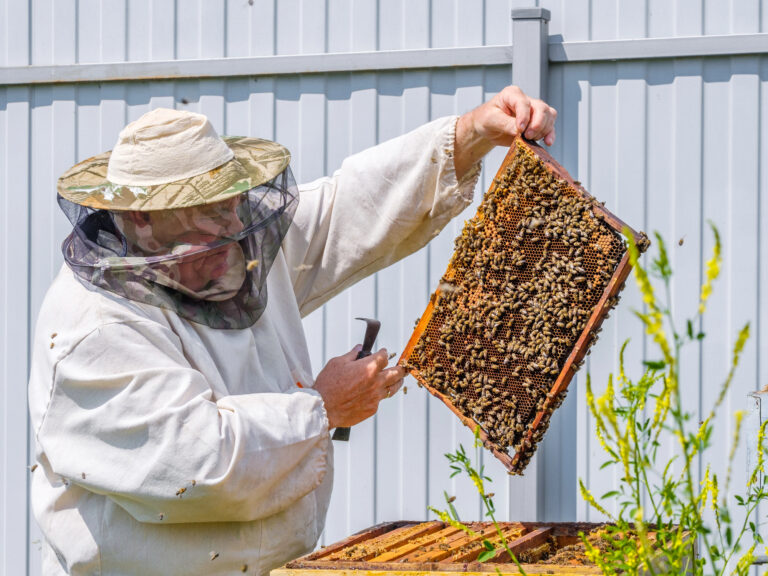

Pollinator Week runs from June 16 to 22 this year, and the timing couldn’t be more urgent. Bee populations continue to face serious challenges across North America, with another season of high losses reported in both managed hives and wild populations. The causes are complex, and they aren’t going away.
Why Pollinator Week Matters
A recent article from North Carolina State University highlights just how difficult the past year has been for honeybees. According to Apiculturalist David Tarpy, winter losses were well above average. Researchers are still investigating the exact mix of factors behind the trend. Some of the major stressors include varroa mites, pesticide exposure, poor nutrition, and climate shifts. In commercial beekeeping, the stress of transporting hives across the country also plays a role.
What’s Causing Bee Losses?
These losses aren’t limited to honey bees. Native bees, such as bumblebees, mason bees, and leafcutter bees, are also declining. Many of these species are solitary, nesting in the ground or hollow stems. They’re just as important to local ecosystems as honey bees. Some are even more efficient pollinators for crops like tomatoes and blueberries.
Pollinator Week is more than a celebration. It’s a call to action.
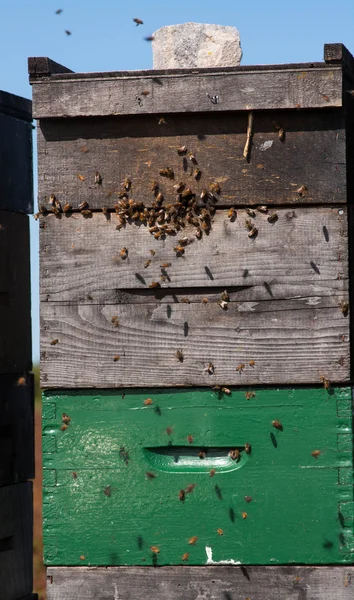
What You Can Do at Home
Supporting pollinators doesn’t require a big yard or fancy garden. In fact, the most effective steps are often simple. Plant native flowers. Skip pesticides. Leave a few wild patches in your yard. These small choices create real habitat for bees, butterflies, and other pollinators.
If you have space, add a bee hotel or let clover and dandelions bloom instead of mowing everything down. Native plants in containers can help, too. The goal is to offer a mix of blooms from early spring through fall. Native species are best because they match what local bees actually need, and they tend to require less water and care.
This week on Bees Haven, we’re sharing tips you can use right away to create a bee-friendly space at home. If you’re curious about what’s really going on with honey bee declines, this NC State article is a great place to start:
🔗 https://cals.ncsu.edu/news/deciphering-all-the-buzz-about-honey-bee-loss
You don’t need to be a beekeeper to make a difference. Every choice helps. Bees are struggling, but together we can give them a better chance to survive and thrive.
Want more information? See our article on the Ultimate Guide to Bee-Friendly Living.
🌿 Gear Up for a Bee-Friendly Garden
Contains affiliate links, for full disclosure, see FTC Disclosure, here.
Looking for tools that actually work?
We’ve pulled together our favorite picks for beekeeping, gardening, and pollinator-friendly seeds—everything you need to support bees and grow a thriving space.
Browse the full list on Amazon — all in one spot.