Every year in late summer, social media fills with alarmed posts about giant “killer bees.” Most of the time, these reports aren’t bees at all. They are bald-faced hornets, a type of yellow jacket that builds big papery nests and defends them fiercely. The confusion is common, but knowing the difference helps protect bees while keeping people safe.
What Bald-Faced Hornets Really Are
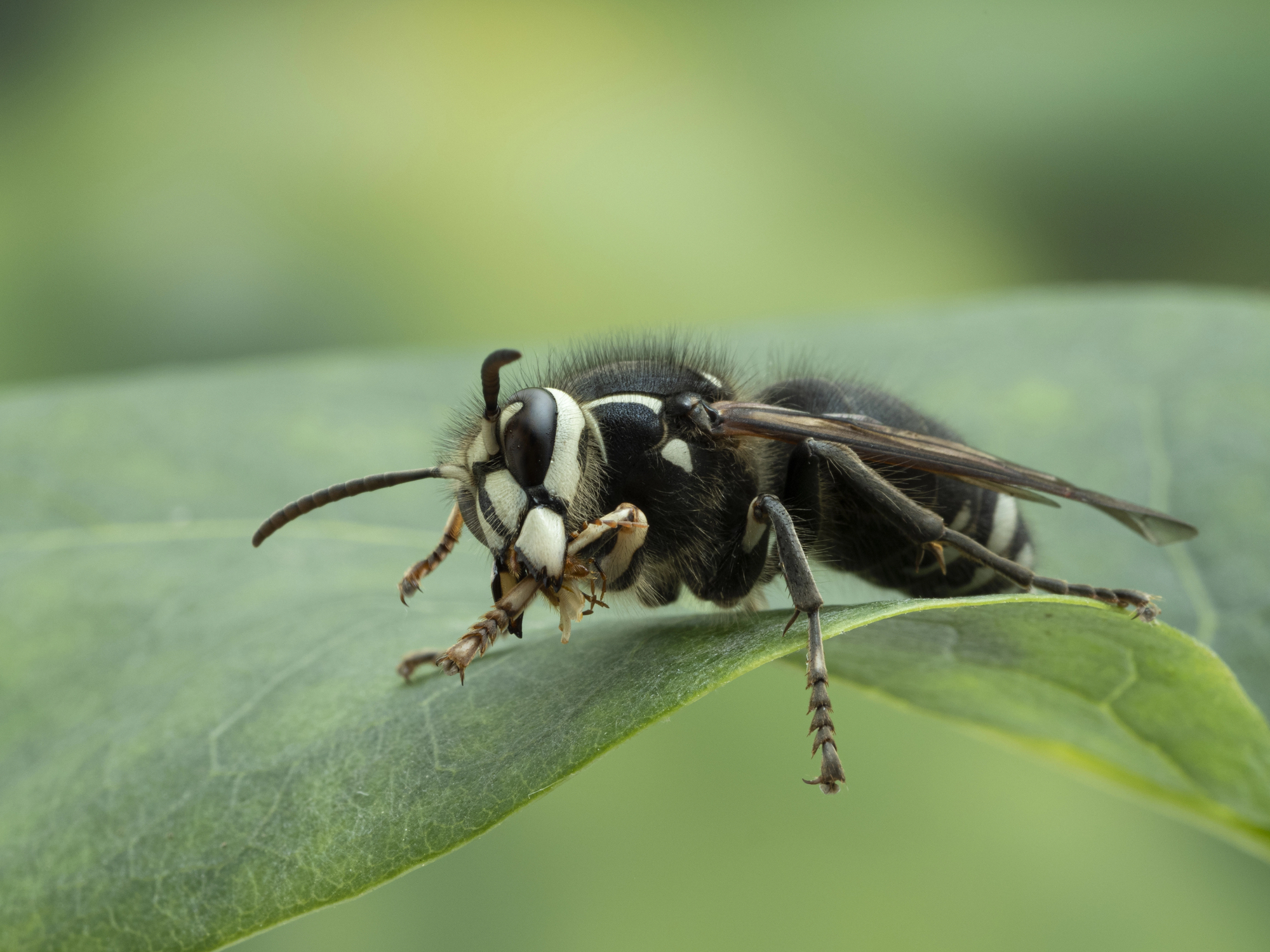
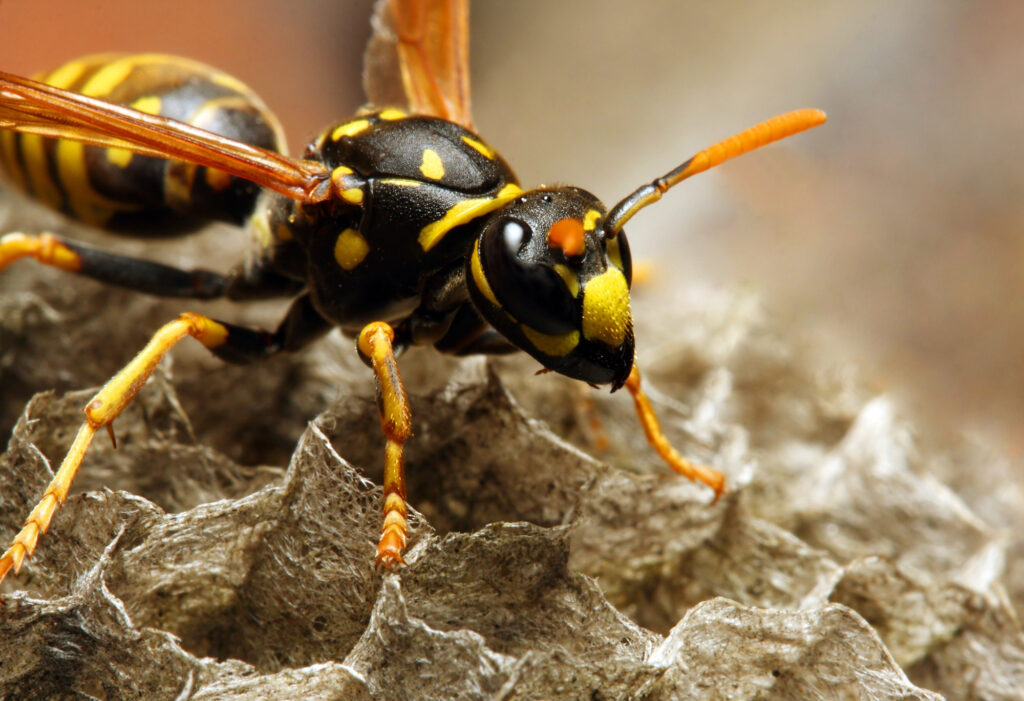
Despite the name, bald-faced hornets aren’t true hornets. They are a species of yellow jacket wasp, Dolichovespula maculata. The “bald-faced” part refers to the striking white markings on their black heads and bodies. Unlike honey bees, they don’t make honey or pollinate crops in a meaningful way. Instead, they are predators that feed on flies, caterpillars, and other insects.
How to Identify Them
Bald-faced hornets stand out if you know what to look for.
- They are larger than most yellow jackets, about ¾ inch long.
- Their bodies are mostly black with distinct white patches on the face, thorax, and tip of the abdomen.
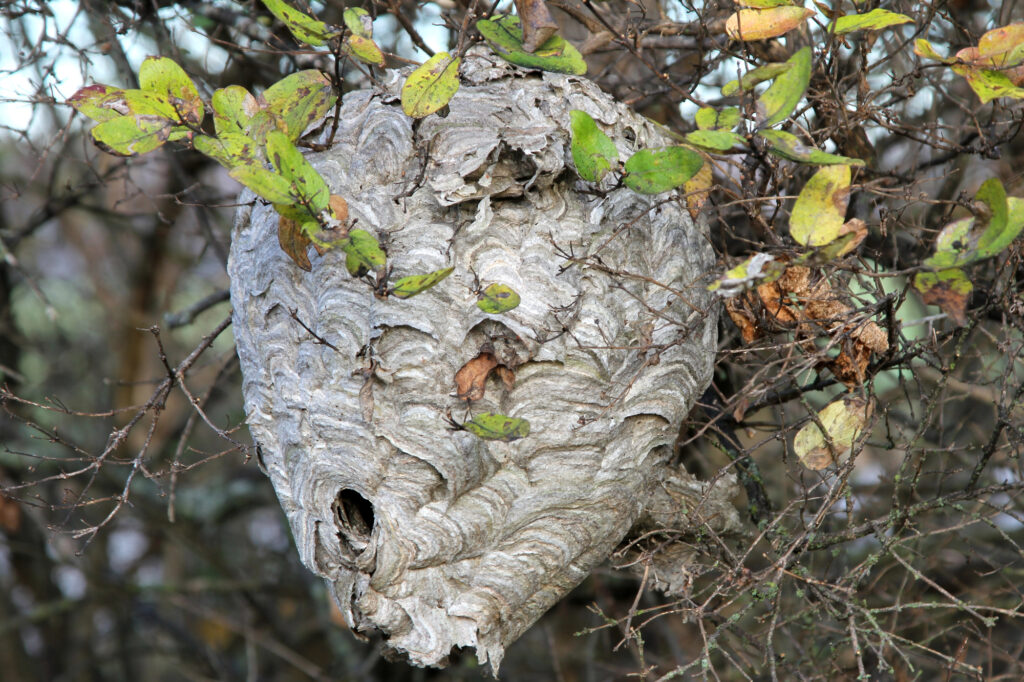
- Their nests are gray and football-shaped, often hanging high in trees, shrubs, or on building eaves.
- Colonies can contain hundreds of individuals by late summer.
If you see a papery oval nest with lots of buzzing activity, it’s probably not bees; it’s hornets.
Why People Confuse Them With Bees
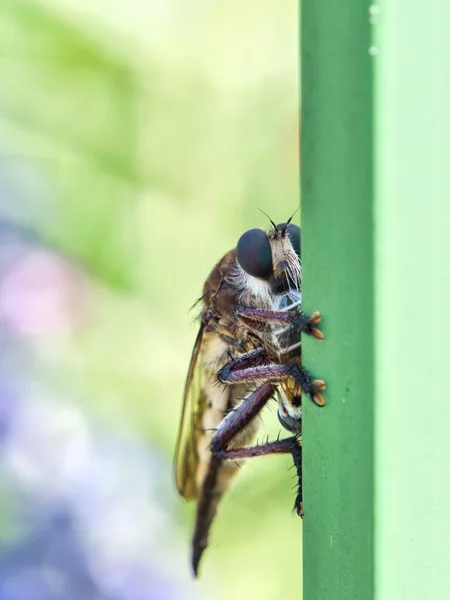
At a glance, anything striped and buzzing often gets lumped together as a “bee.” Both hornets and bees can sting, and both defend their nests. But their roles in the ecosystem differ. Bees are pollinators that spread pollen between flowers. Hornets are hunters that keep other insect populations in check.
Adding to the mix-up, hornets and yellow jackets can sometimes be seen on flowers, sipping nectar for quick energy. That makes them look even more like bees to the casual observer.
Seasonal Spike in Sightings
Late summer is peak season for bald-faced hornets. Colonies that started small in spring have grown to their largest size by August and September. The workers are busy foraging, and the nest becomes more visible as leaves drop. This is the time of year when people notice them most, and when stings are most likely if someone gets too close.
By the first hard frost, the entire colony will die off, leaving only fertilized queens to overwinter in sheltered spots. Those queens will start new nests the following spring.
Why the Difference Matters
Mixing up bees with hornets adds to public fear of insects and can harm conservation efforts. Honey bees and native bees are essential pollinators, facing significant threats from habitat loss, pesticides, and disease. Hornets, while aggressive, play their own role by controlling pest insects. But they don’t deserve the same label as pollinators.
When someone mistakenly destroys a bee colony, thinking it’s a hornet’s nest, it’s a loss for local pollination. Learning to recognize the difference helps people respond appropriately.
What To Do If You Spot a Nest
- Keep your distance. Bald-faced hornets will defend their nest aggressively.
- Don’t swat. Hitting or disturbing them will trigger stings.
- Call a professional. If the nest is close to your home or a high-traffic area, pest control services can safely remove it.
- Leave it alone if possible. Nests in trees or remote spots will naturally die off in the fall.
Bottom Line
Bald-faced hornets aren’t bees, but they are a regular part of late-summer life outdoors. Recognizing them can prevent panic, protect pollinators, and reduce unnecessary extermination. The next time you see a post about “giant bees,” chances are good you’re actually looking at hornets.
For more Bee lookalikes, see our article, Bee ID: How to Spot Real Bees (and the Insects That Fool You).
🌿 Gear Up for a Bee-Friendly Garden
Contains affiliate links, for full disclosure, see FTC Disclosure, here.
Looking for tools that actually work?
We’ve pulled together our favorite picks for beekeeping, gardening, and pollinator-friendly seeds—everything you need to support bees and grow a thriving space.
Browse the full list on Amazon — all in one spot.