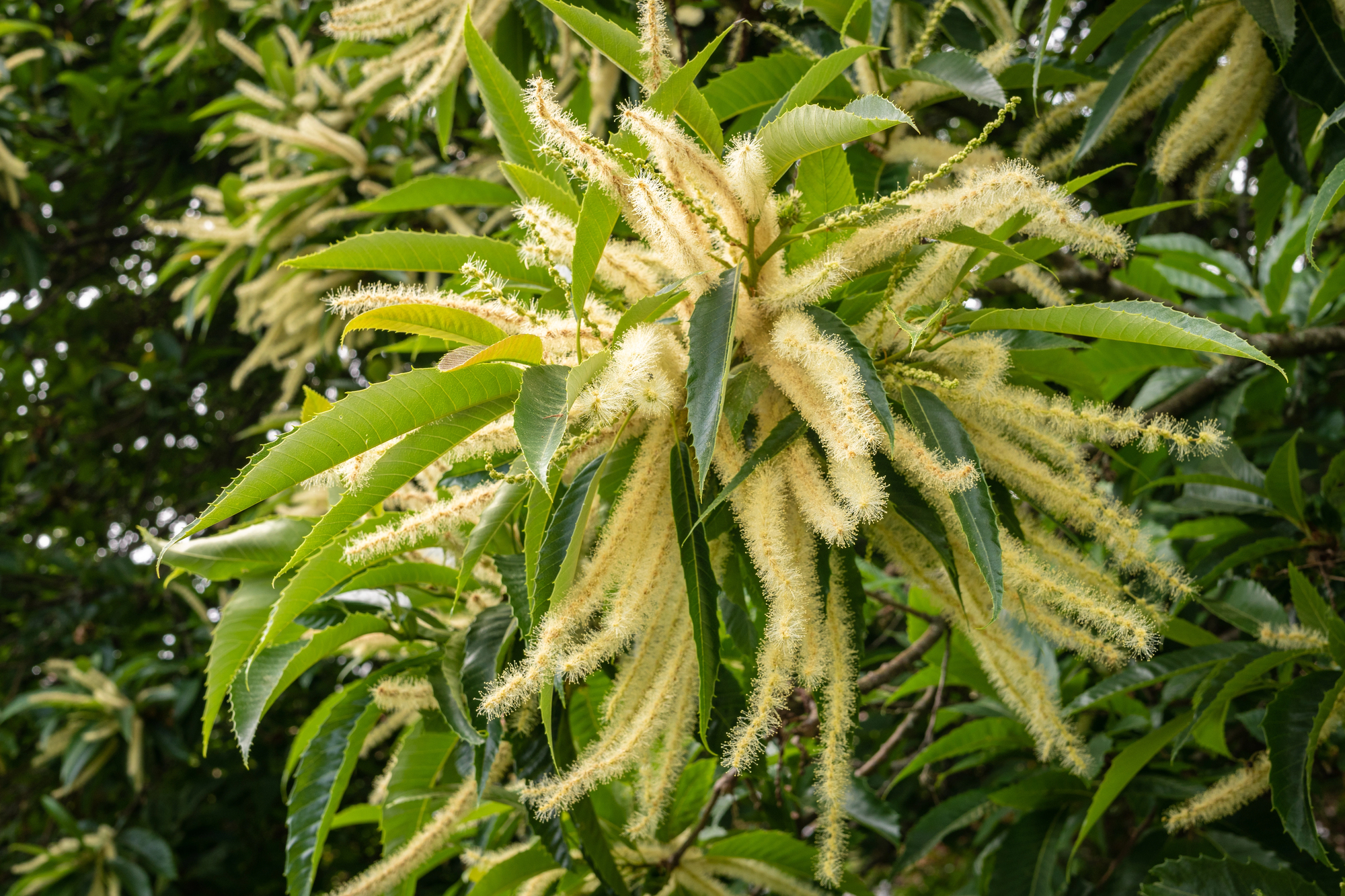
The chestnut mining bee, Andrena rehni, has resurfaced in Syracuse for the first time in recorded history. In July 2025, State University of New York College of Environmental Science and Forestry (SUNY ESF) pollinator ecologist Molly Jacobson collected two specimens of Andrena rehni (chestnut mining bee) from native American chestnut trees at ESF’s Lafayette Road Experiment Station orchard. This is the first confirmed sighting of the species in Central New York, and only the second known population in the state.
This is only the second known population in New York State and a major find for conservationists. For more than a century, researchers wondered if the bee had vanished altogether. Its rediscovery shines a spotlight on the close ties between pollinators and the trees they depend on.
Rediscovery After a Century
The chestnut mining bee is a small, solitary species that nests in the ground. Unlike generalist pollinators, it relies almost entirely on chestnut trees for pollen. When chestnuts bloom for just a few weeks in early summer, the female bee gathers pollen and nectar, builds underground brood cells, and lays eggs that will develop into the next generation.
The species was first recorded in southern New York in 1904. After that, there were no confirmed sightings in much of the state. With the collapse of American chestnut populations, the bee seemed to disappear. Some entomologists even feared it had gone extinct locally.
Recent finds, however, have rewritten that story. The bee reappeared in Maryland in 2018, Connecticut in 2019, and Massachusetts soon after. In 2023, it was confirmed at Lasdon Park & Arboretum in Westchester County, marking its return to New York. The Syracuse discovery shows its range may be wider than expected.
The Fall of the Chestnut
To understand why Andrena rehni nearly vanished, it helps to look back at the fate of its host tree.
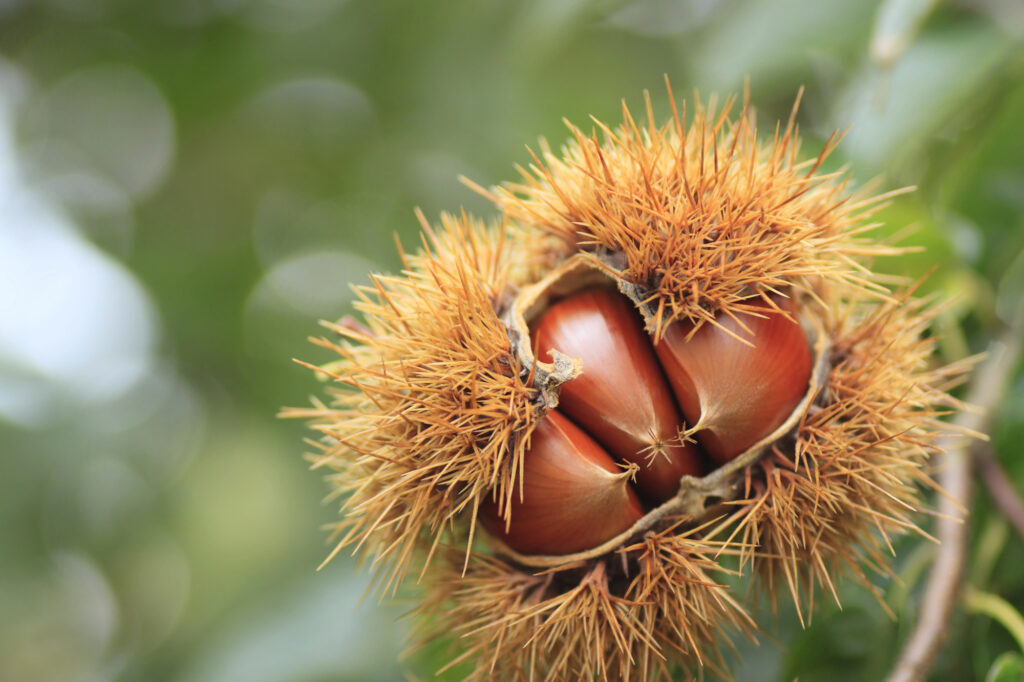
The American chestnut (Castanea dentata) was once one of the most common trees in eastern forests. It grew tall and straight, provided food for wildlife and people, and produced valuable lumber. Everything changed in the early 1900s, when a fungus called chestnut blight infected the species.
By the 1950s, most mature chestnuts across the Appalachians and Northeast had been destroyed. Today, the species survives mainly as root sprouts that die before reaching maturity. Ecologists call it “functionally extinct” in the wild.
That loss set off cascading effects for insects and animals that depended on chestnuts. Leafminers, moths, and pollinators declined or disappeared. The chestnut mining bee, specialized in chestnut pollen, was among the hardest hit.
A Chestnut Specialist
Unlike honey bees or bumble bees that can switch between many flowers, the chestnut mining bee is a pollen specialist. Its life cycle is timed to chestnut bloom in June and July.
When the flowers fade, the bee’s active season ends. The next generation develops underground, waiting until the following summer to emerge. Without flowering chestnut trees, the bee has little chance of survival.
This dependence makes it an indicator species. If chestnuts recover, the bee may rebound. If restoration fails, the bee faces long-term risk.
Signs of Recovery
The Syracuse discovery is encouraging for both pollinators and trees. It shows that chestnut restoration efforts can create real habitat for a species thought to be gone.
Researchers at ESF are studying how the bee interacts with chestnut hybrids and related species like Allegheny chinquapin. Knowing whether A. rehni can use these trees may help guide breeding and planting strategies.
The finding also underscores the value of close monitoring. Small, specialized insects often go unnoticed. Without careful surveys, the bee might still be considered lost.
The Future
Organizations like The American Chestnut Foundation and SUNY ESF have been leading restoration work for decades. Approaches include crossbreeding American chestnuts with blight-resistant species, planting experimental orchards, and even developing blight-resistant chestnut trees developed through modern research that can survive the disease.
These efforts are slow, but they hold promise. If American chestnut trees can once again grow tall and flower widely, specialists like the chestnut mining bee may survive.
For pollinator conservation, the rediscovery offers a hopeful reminder. Species can persist in hidden refuges and reappear when conditions improve. Protecting habitat and supporting native tree restoration may bring back more surprises.
What Readers Can Do
- Support chestnut restoration groups by planting hybrids or donating to research programs.
- Grow native plants that provide food for pollinators across seasons.
- Learn to recognize specialist bees and report unusual sightings to local extension offices or citizen science projects.
Interested in more fascinating Bee News? See our article on Bees Navigating Better Than GPS.
🌿 Gear Up for a Bee-Friendly Garden
Contains affiliate links, for full disclosure, see FTC Disclosure, here.
Looking for tools that actually work?
We’ve pulled together our favorite picks for beekeeping, gardening, and pollinator-friendly seeds—everything you need to support bees and grow a thriving space.
Browse the full list on Amazon — all in one spot.