
Telling the Bees was a widespread custom in parts of Europe during the 18th and 19th centuries. The practice called for families to inform their hives of significant life events such as marriages, births, and deaths. People believed bees were part of the household, and leaving them uninformed could cause illness in the hive, poor honey yields, or even abandonment of the colony.
Where the Tradition Began
Western Europe holds the strongest records of this custom, especially England and parts of Germany. In rural communities, bees were seen as more than livestock. They provided honey, wax, and pollination, and their well-being had a direct impact on the household. By speaking to the bees, families reinforced their bond with them and acknowledged their role in daily life.
Rituals of Telling the Bees
Weddings and New Beginnings
When a wedding was planned, families often told the bees in advance. In some places, the couple would approach the hives together after the ceremony, as if to invite the bees to share in the celebration. Treats such as pieces of cake or wine were left at the hive entrance as offerings.
Death and Mourning
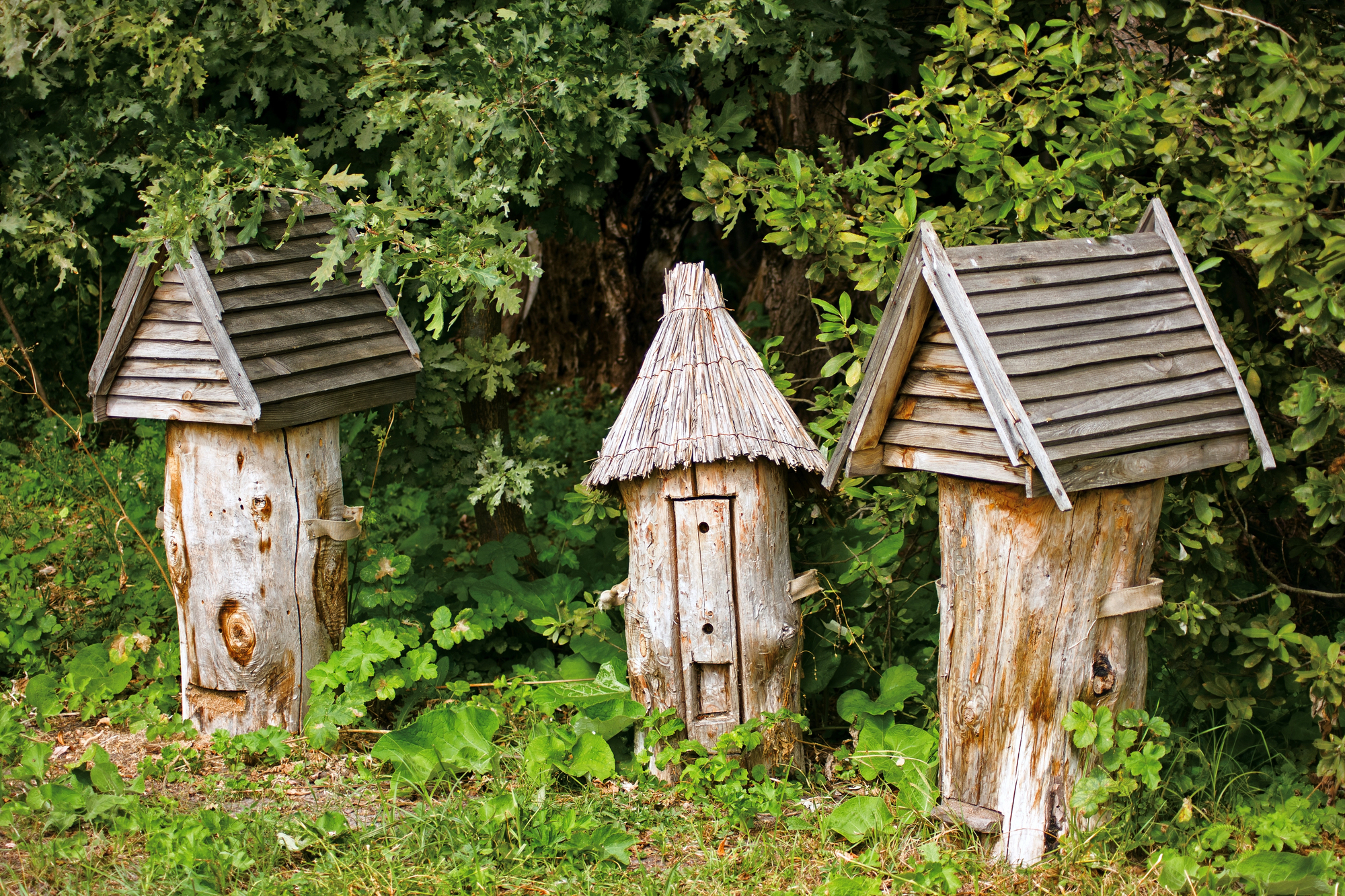
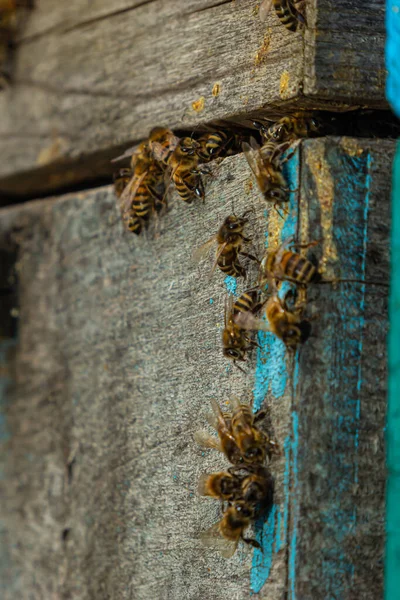
Families created the most detailed rituals around death. Families often draped the hives in black cloth during mourning. The keeper or a close relative would speak directly to the bees, announcing the death.
One description preserved by the Museum of Jurassic Technology explains the procedure clearly. As soon as a member of the family died, a younger member of the household, often a child, was sent to the hives. Carrying a chain of small keys, the child tapped on the hive while whispering three times:
Little Brownies, little brownies, your mistress is dead.
Little Brownies, little brownies, your mistress is dead.
Little Brownies, little brownies, your mistress is dead.
Families repeated the message to be sure the bees understood. In other regions, if the head of the household died, the bees were formally introduced to the new keeper so the colony would recognize its caretaker.
Everyday News for the Hive
Not every announcement was so serious. Families sometimes told their bees about smaller events such as a child leaving home, a change in the household, or even shifts in the weather. The ritual was a reminder that bees were woven into the rhythm of life.
Why It Mattered
To outsiders, these customs might seem superstitious. For the families who practiced them, they were acts of respect. Bees were unpredictable but essential. A hive that failed could mean hardship. Including them in family news helped ensure harmony between people and pollinators.
On another level, the tradition reflected how people made sense of life and death. Speaking to the bees offered comfort and reinforced the idea that humans and nature were linked in unseen ways.
Folklore Meets Fact
Did bees actually respond to being told news? Scientifically, there is no evidence that words mattered. Yet bees are sensitive to vibrations, scents, and tone. A calm, gentle approach might have reduced disturbance at a stressful time.
Folklore often grows around truths hidden in behavior. By creating a ritual of speaking softly and tapping lightly, families may have found a practical way to handle their bees without fear or aggression.
The Meaning for Us Today
We may no longer whisper family secrets to our hives, but the meaning behind Telling the Bees is still relevant. It shows how closely people once felt tied to the natural world. Bees were not just insects; they were companions in survival.
Today, our challenge is different but just as important. Bees face threats from habitat loss, pesticides, and disease. Honoring them does not require black cloth or whispered words. It requires thoughtful choices: planting native flowers, leaving safe spaces, and avoiding harmful chemicals.
These modern practices are our way of keeping the spirit of Telling the Bees alive. They show respect and recognize the role bees continue to play in our lives.
Bringing the Spirit into Bees Haven
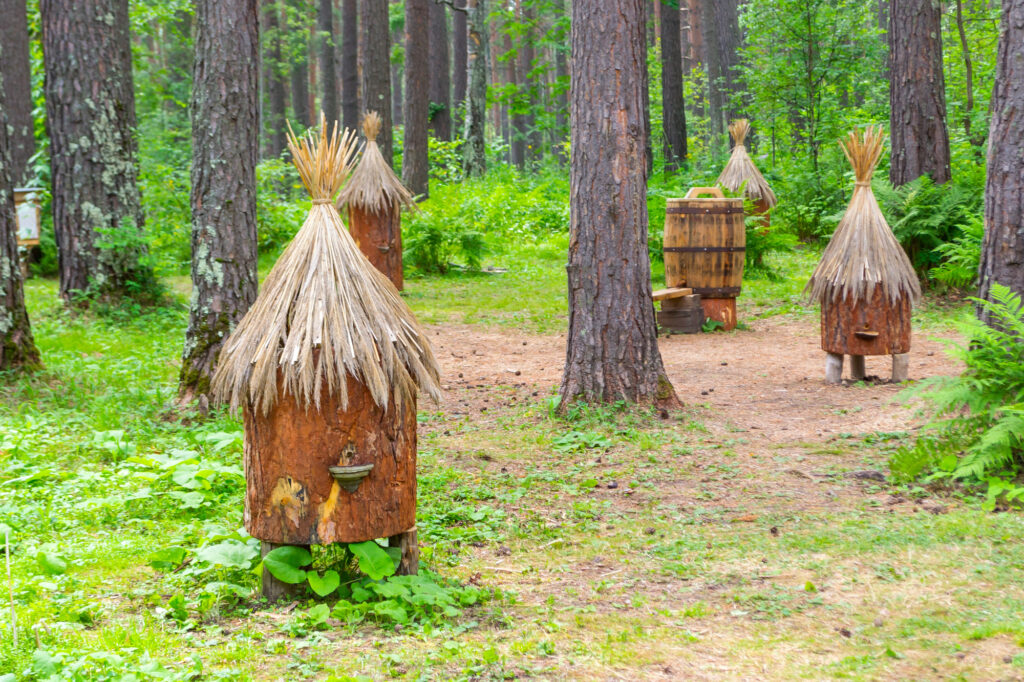
At Bees Haven, the word “haven” is central. It reflects the idea of safekeeping for pollinators. The tradition of Telling the Bees aligns with this purpose. Just as families once paused to share their joys and sorrows with their hives, we can pause to make choices that protect and sustain them.
Every step, from choosing pollinator-friendly plants to leaving a patch of wild growth, can be seen as a new version of this old tradition. It is not about superstition but about connection.
Telling the Bees reminds us that humans once spoke directly to nature. In a time when pollinators need our help, that reminder carries more weight than ever. Planting for their needs, and seeing them as partners rather than pests, we carry the spirit of the tradition forward.
In the end, Telling the Bees is not only about folklore. It is about connection. It shows us how humans once spoke directly to nature and listened in return. That reminder is worth keeping alive, especially today.
Interested in learning more about what bees need? See our article: What Bees Really Need to Survive in Your Yard.
🌿 Gear Up for a Bee-Friendly Garden
Contains affiliate links, for full disclosure, see FTC Disclosure, here.
Looking for tools that actually work?
We’ve pulled together our favorite picks for beekeeping, gardening, and pollinator-friendly seeds—everything you need to support bees and grow a thriving space.
Browse the full list on Amazon — all in one spot.