
Many gardeners rush into planting without thinking about how their soil, layout, and early decisions will impact pollinators and the crops they help produce. Proper garden preparation, the right way, creates a thriving space for both crops and the bees, butterflies, and beneficial insects that help them grow. With a few extra steps, your spring prep can set the stage for a season of healthy plants and busy pollinators.
Start With a Pollinator-Friendly Layout
When mapping your vegetable garden, think beyond neat rows and group crops with companion flowers that bloom through the season.
- Early bloomers: Alyssum, Calendula, Early-blooming dwarf cosmos
- Mid-season bloomers: Borage, Zinnias, Cornflowers (Bachelor’s buttons)
- Late bloomers: Marigolds, Nasturtiums, Tithonia (Mexican sunflower)
In vegetable beds, it’s better to keep soil covered with plants or mulch to reduce weeds and erosion. Ground-nesting bees will find open spaces in nearby paths, borders, or undisturbed areas outside your main planting beds.
Be sure only to use annuals in your garden bed. The garden can be tilled and crops rotated easily with annuals. For perennial plants like echinacea, thyme, chives, or asters, plant them in borders or nearby flower or herb beds instead of inside vegetable beds. This prevents root competition, avoids disease carryover, and allows you to rotate crops in the beds while still benefiting from their blooms.
Test and Amend Your Soil
Before planting, start your garden preparation with a soil test through your local Cooperative Extension or a home kit. Aim for a pH between 6.0 and 7.0 for most vegetables, which also suits many herbs and flowers that attract pollinators. Adjust as needed with lime to raise pH or elemental sulfur to lower it. Adding compost not only improves nutrient balance but also boosts soil life, which supports a healthier garden ecosystem. Having a pH that promotes plant health and flowering will feed the pollinators throughout the season.
Prepare the Soil For Planting
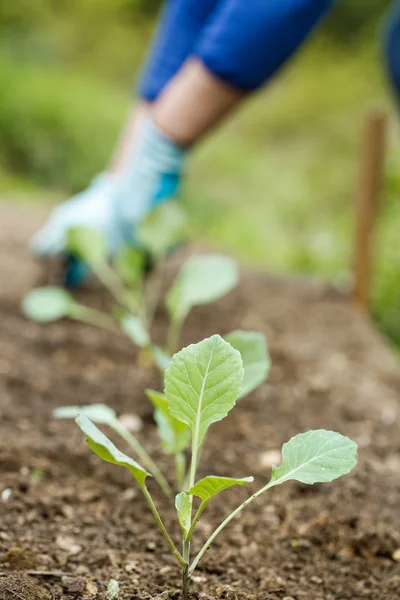
Healthy soil is the foundation of adequate garden preparation, feeding both plants and the pollinators that depend on them. Skip synthetic fertilizers that can disrupt soil life. Instead, work in compost, leaf mold, or aged manure. For no-till gardens, add organic matter on top and let earthworms do the mixing. This preserves the habitat of soil-dwelling pollinators and beneficial insects.
Loosen compacted soil with a broadfork or spade, but avoid deep tilling that disrupts soil structure. Shape rows or raised beds for efficient planting and harvesting. Where space allows, mix in insectary plants like dill or sweet alyssum between vegetable rows so pollinators have a steady food source as crops grow.
Build or Repair Garden Infrastructure
Check trellises, stakes, and netting before planting. Trellises for crops like pole beans and cucumbers can double as supports for climbing flowers such as scarlet runner beans, which draw hummingbirds and bees. By lifting blooms off the ground, trellises can make nectar sources easier for pollinators to spot and reach while also improving air circulation around the plants.

Use Mulch Wisely
Mulching retains moisture and reduces weeds, but thick mulch can block nesting access for some native bees. Aim for 3-4 inches of mulch for best weed control.
- Best choices for pollinator gardens: Straw, shredded leaves, untreated aged wood chips. Do not use fresh wood chips; they’ll leach nitrogen from the soil.
Plan for Water Access
Lay out soaker hoses or drip lines to keep both vegetables and pollinator plants evenly watered without splashing blooms. Pollinators need water too. A shallow dish with pebbles or marbles lets bees land safely while they drink. Place it in a sunny, sheltered spot in your garden so pollinators have an easy water source during dry spells. If you water the garden, it will be filled with fresh water anytime you water the plants.
Manage Weeds Early
Knock back early weed growth with a hoe, hand pulling, or by laying down mulch before planting. For unused sections, try the stale seedbed method; lightly water the soil to encourage weeds to sprout, then remove them before planting your vegetables and companion flowers. This reduces competition for both crops and nectar plants.
Avoid Chemical Shortcuts
Even “natural” pesticides can harm pollinators if used incorrectly. If you must intervene, spray in the early morning or evening when pollinators are less active, and target specific pests instead of the entire garden. But, try everything else first. Bring in beneficial insects like ladybugs, mantids or lacewings to control aphids, whiteflies, lacewings and more.
Plan Succession Planting
After early crops, like lettuce and radishes finish, use the open space for quick-blooming flowers like calendula, zinnia, or nasturtium. These fill gaps in vegetable beds, extend your harvest window, and give pollinators a reason to stay in your garden all season long.
Remember, many of our favorite produce items require pollinators for proper pollination of their flowers to grow fruit. The list is long, but tomatoes, cucumbers, squash, and berries are just a few examples. Proper garden preparation will ensure your crops are pollinated and healthy.
Want to learn more about pollinator-attracting vegetable gardening? See Planning a Productive, Pollinator-Friendly Garden.
For a more detailed look at soil prep, bed setup, and other techniques, see my complete vegetable garden preparation guide on Binky’s Culinary Carnival.
🌿 Gear Up for a Bee-Friendly Garden
Contains affiliate links, for full disclosure, see FTC Disclosure, here.
Looking for tools that actually work?
We’ve pulled together our favorite picks for beekeeping, gardening, and pollinator-friendly seeds—everything you need to support bees and grow a thriving space.
Browse the full list on Amazon — all in one spot.