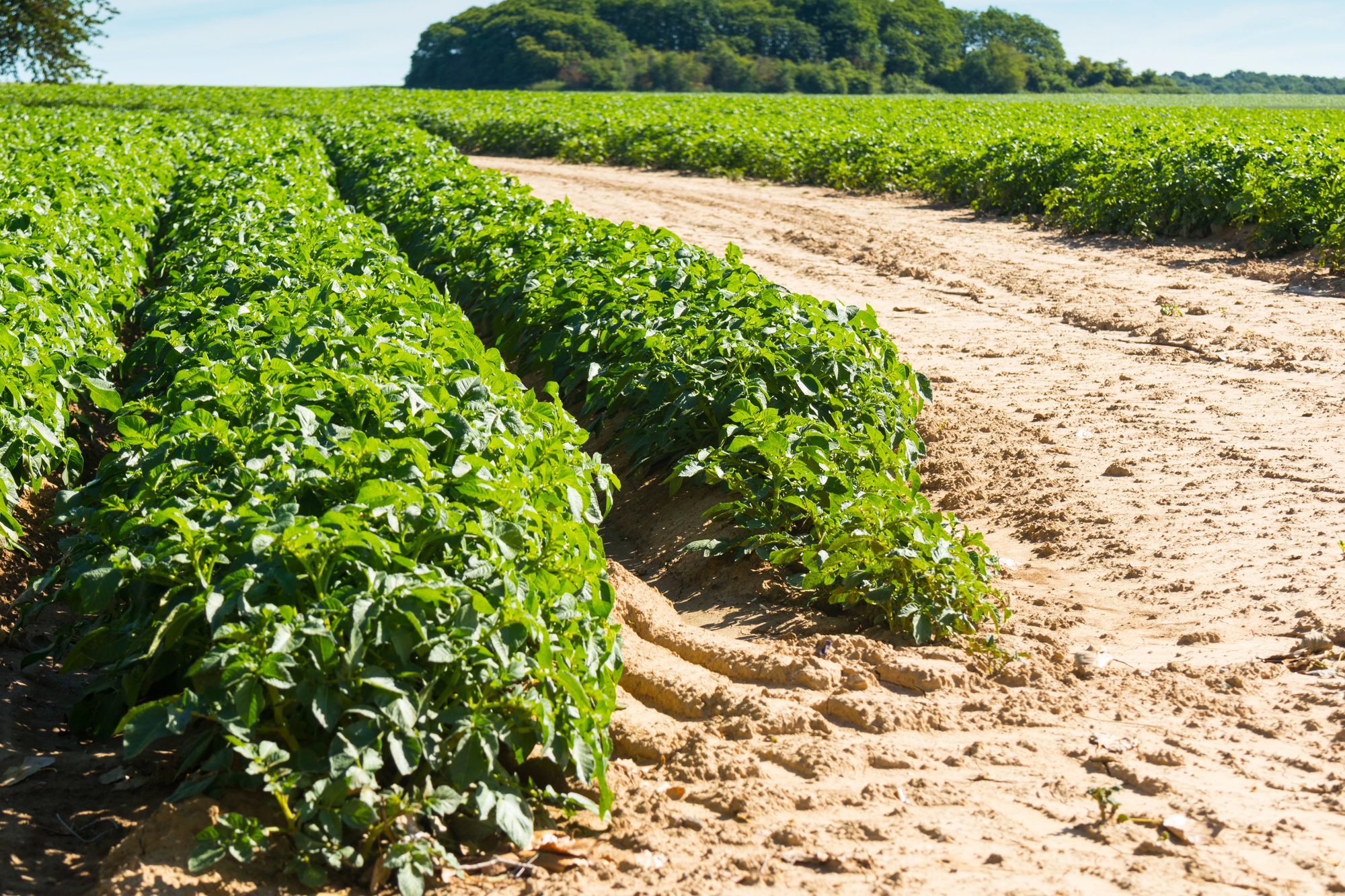
Potatoes may seem like a set-and-forget crop, but their success often depends on what is growing around them. The right companions can keep pests in check, boost soil health, and give you a better harvest. The wrong neighbors can make pest problems worse and drain the nutrients your potatoes need.
Companion planting uses the natural properties of certain plants to protect and support others. Potatoes benefit from this method because they face a long list of common pests and diseases. Some vegetables, herbs, and flowers deter pests, enrich the soil, and make the garden more resilient. This guide lists the best companion plants for potatoes, explains why they work, and covers the ones you should avoid.
Why Companion Planting Works for Potatoes
Potatoes are heavy feeders that need fertile, well-drained soil. Their long growing season leaves them vulnerable to waves of pests and disease. Choosing the right companion plants can help you:
- Repel or confuse pests using scent or chemical signals
- Attract beneficial insects that prey on potato pests
- Improve soil health through nitrogen fixation or deep root systems
- Make better use of garden space by pairing plants with different growth habits
Best Companion Plants for Potatoes
Beans
Beans help fix nitrogen in the soil, which supports potato growth in the early season. Their flowers also attract pollinators such as bumblebees, which can improve bean yields while keeping your garden ecosystem active. Bush beans work best so they do not shade the potato plants.
Cabbage Family Crops
Cabbage, broccoli, kale, and Brussels sprouts can help deter some potato pests. While brassicas are not a major nectar source, their flowers can still attract pollinators if allowed to bolt at the end of the season. Rotate these crops each year to prevent disease buildup in the soil.
Horseradish
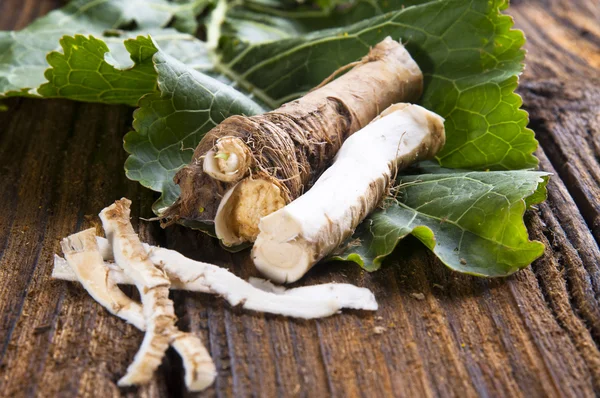
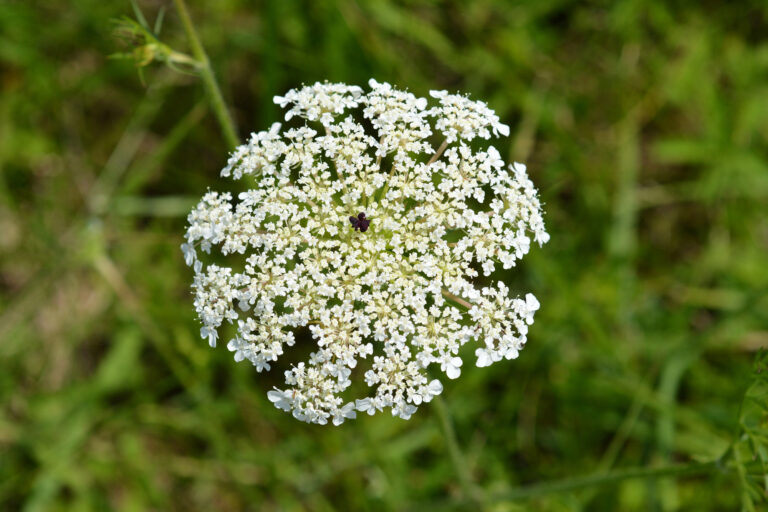
Often planted at the ends of potato rows, horseradish’s strong scent can help discourage certain insects from moving in. Some pollinating flies and small bees visit its late-spring blooms.
Marigolds
Marigolds are valued for reducing nematode populations in the soil and attracting beneficial insects like lady beetles. Their flowers also support pollinators by offering nectar and pollen throughout the summer.
Basil
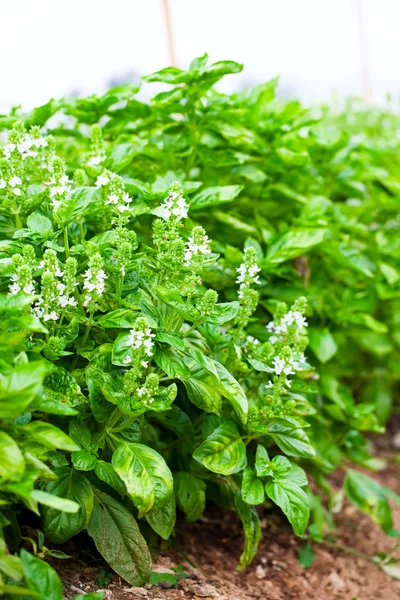
Basil repels thrips, aphids, and beetles. If allowed to bloom, its small flowers are visited by bees and other pollinators. Plant basil in large pots to prevent it from taking over your garden, and remove blooms before they seed.
Chives and Onions
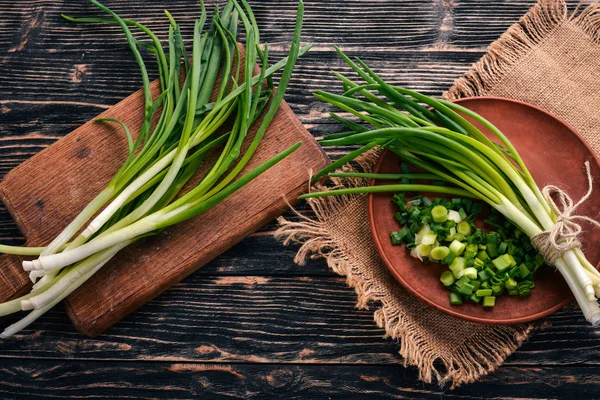
These alliums release strong scents that make it harder for pests to locate potato plants. When allowed to flower, their globe-shaped blooms are a valuable nectar source for bees.
Cilantro
When it flowers, cilantro draws hoverflies, whose larvae eat aphids. Its blooms also offer nectar to small native bees.
Nasturtiums
Act as a trap crop by attracting flea beetles and aphids away from potatoes. Their colorful blooms also provide nectar for pollinators.
Plants to Avoid Near Potatoes
Tomatoes, Peppers, and Eggplant
These nightshade relatives share pests and diseases with potatoes, including early and late blight. While their flowers attract pollinators such as bumblebees, planting them near potatoes increases the risk of pest and disease problems.
Sunflowers
Sunflowers release natural chemicals that can slow potato growth and they may also cast too much shade. Their blooms are highly attractive to bees, so consider planting them in a separate area to keep both crops healthy.
Raspberries
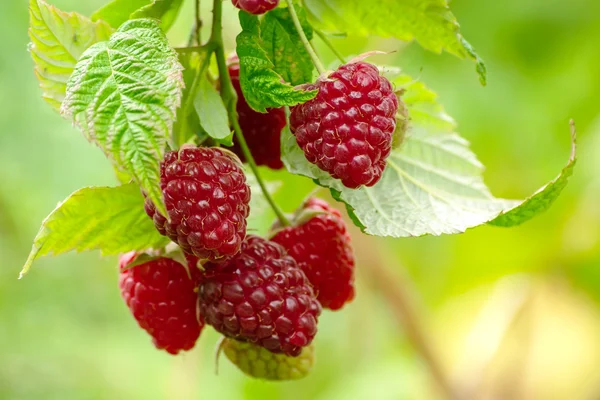
Raspberries can carry verticillium wilt, which affects potatoes and reduces yields. Their flowers are a magnet for honeybees and native bees, so plant them well away from potatoes to protect both.
Carrots
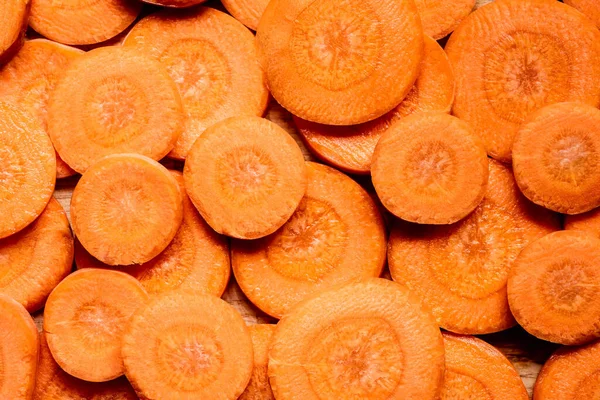
Compete for underground space and nutrients, which can limit potato production. If left to flower, they attract a wide range of pollinators, including beneficial wasps that help with pest control.
Cucumbers
Can attract aphids and leafhoppers that spread diseases to potatoes. However, their flowers provide both nectar and pollen for bees, making them a good candidate for a separate bed.
Tips for Planting Potatoes with Companions
- Rotate potatoes and their companions to a new garden bed each year.
- Stagger planting times so early-blooming herbs and flowers are established before pests arrive.
- Give potatoes plenty of space so companions do not compete for root room.
- Include flowering plants where possible to support pollinators alongside pest control.
- Use mulch such as straw to keep soil moist and reduce weed competition.
Plan your potato patch with companions that protect against pests and strengthen the garden as a whole. With a mix of protective and pollinator-friendly plants, you can grow healthier potatoes and keep your garden ecosystem thriving.
🌿 Gear Up for a Bee-Friendly Garden
Contains affiliate links, for full disclosure, see FTC Disclosure, here.
Looking for tools that actually work?
We’ve pulled together our favorite picks for beekeeping, gardening, and pollinator-friendly seeds—everything you need to support bees and grow a thriving space.
Browse the full list on Amazon — all in one spot.