


Carrots and their cousins belong to the Apiaceae family and are known for their umbrella-shaped flower clusters called umbels. Most gardeners never see a carrot bloom. That’s because carrots are biennial plants; they spend their first year growing leaves and storing energy in the root, then flower and set seed in their second year. In most gardens, carrots are pulled long before they reach that second stage, so their umbels stay a hidden secret.
This hidden second-year bloom is part of what makes their relatives so special in the garden. They show off their flowers every season or are left in place long enough to flower. These plants are some of the most pollinator-friendly choices you can grow that act like landing pads for bees, butterflies, and other beneficial insects.
Meet the Apiaceae Family
The Apiaceae family includes many herbs and vegetables we grow for the kitchen, along with some wild species that pop up on their own. Dill, fennel, parsley, and cilantro are all cousins of the carrot. So is Queen Anne’s lace, the wild carrot you might see growing along roadsides and field edges.
The flowers all share a similar look: flat clusters packed with tiny blooms that offer easy access to nectar and pollen. That shape is perfect for a wide range of pollinators, from small native bees to hoverflies and butterflies. There are many other flowers that pollinators love.
Top Pollinator-Friendly Apiaceae Plants
Queen Anne’s lace (wild carrot) (Daucus carota)

This tall wildflower produces lacy white blooms in midsummer. It’s a host plant for black swallowtail caterpillars and a nectar source for many native bees.
Dill

Besides being a kitchen staple, dill is excellent for attracting beneficial wasps, hoverflies, and butterflies. Let a few plants go to seed for weeks of bloom. Then use the dill in pickles, relish, salads and more.
Fennel
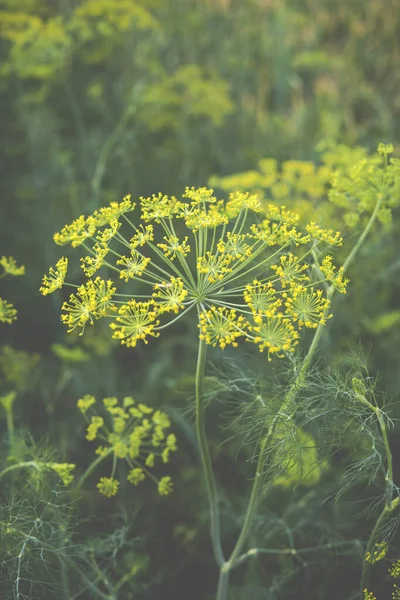
Fennel’s golden umbels are a long-lasting buffet for pollinators. Like dill, it’s a host plant for swallowtail caterpillars. Fennel has a fresh anise flavor. It is a must for Italian sausage and many curry recipes.
Parsley

If you let parsley overwinter, it sends up flowers in its second year that feed pollinators and host swallowtail larvae. Parsley has a fresh, clean somewhat floral flavor and is used in everything from salads to pestos and Italian favorites.
Cilantro (coriander)

When it bolts, cilantro produces delicate white flowers that are highly attractive to small native bees. Cilantro has a unique flavor. Many tasters label it as soapy, while others don’t taste anything but a fresh bite of greens. Cilantro is essential for Mexican dishes. A cilantro plant that is left to flower and seed produces coriander seeds, used in Mexican dishes, pickling and more.
Growing Tips for Maximum Blooms
- Plant in full sun and well-drained soil
- Stagger sowing times for a longer bloom season
- Let a few plants bolt instead of harvesting everything early
- Avoid pesticides, which can harm visiting insects
Why They’re Good for the Garden
Apiaceae plants provide food for pollinators and habitat for the insects that keep pest populations in check. They’re an easy way to add both beauty and ecological value to your yard.
Add at least one of these carrot cousins to your next planting plan, and you’ll be rewarded with more pollinators, healthier plants, and a livelier garden.
🌿 Gear Up for a Bee-Friendly Garden
Contains affiliate links, for full disclosure, see FTC Disclosure, here.
Looking for tools that actually work?
We’ve pulled together our favorite picks for beekeeping, gardening, and pollinator-friendly seeds—everything you need to support bees and grow a thriving space.
Browse the full list on Amazon — all in one spot.


