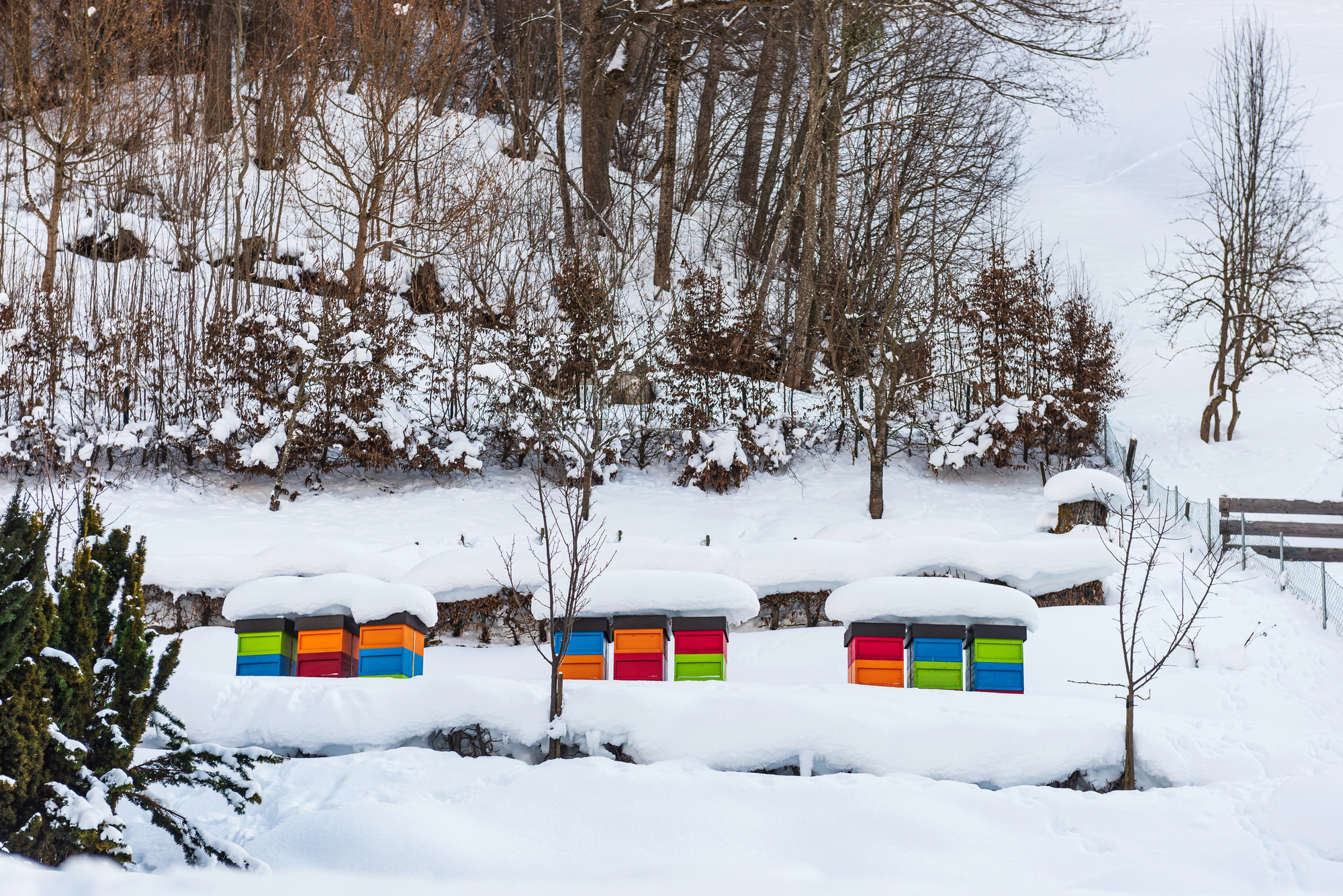
In temperate climates, the hive shifts into a distinct winter mode. As outside temperatures drop, the worker bees gather into a tight cluster around the queen and any remaining brood. The outer layer of bees acts like insulation, while bees in the center stay warmer. This thermoregulating cluster keeps the internal hive temperature stable, even when the air outside is frigid.
As the temperature drops, the bees form a tight ball deep inside the hive. People call this a cluster. It works a bit like a living blanket. The bees on the outside press their bodies together to keep the shape firm. The bees in the center feel the warmest spot, which is where the queen rests. She is the heart of the colony, so keeping her safe becomes the main goal of every worker around her.
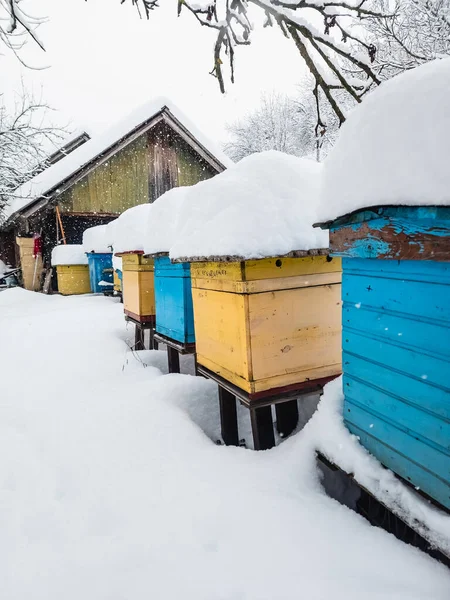
The cluster is not frozen in place. It moves in slow waves. As the bees on the outer edge begin to cool, they move toward the inside. Bees from the warm center take their place on the outside. This gentle rotation continues throughout the season. It keeps the cluster at a steady temperature even when the air outside drops far below freezing. This behavior shows how strong and organized a colony is, even when everything else looks quiet.
Winter also changes how bees eat and use energy. They do not search for nectar or pollen because flowers are gone. Instead, they rely on honey stored during the warm months. This honey acts like a solid supply of fuel. As the bees warm the cluster with small body movements, they burn energy and need to replenish it. They eat tiny amounts of honey at a time, just enough to keep themselves going. A colony that prepared well during summer and fall will have plenty of honey to last until spring.
During winter, the colony stops most brood rearing, reduces activity, and relies on stored honey for fuel. The queen’s egg laying slows or pauses, and the colony’s focus becomes survival rather than growth.
Another interesting part of winter life in the hive is how bees manage moisture. Even with cold air outside, the cluster creates heat. This heat mixes with the bees’ breath, creating a bit of warm humidity inside the hive. If this moisture collects in the wrong place, it can drip down as cold drops, harming the bees. The shape of the hive, the placement of frames, and the natural airflow all help reduce this risk. Bees do not stop being builders during winter. They make minor changes as needed and keep the hive comfortable.
Overwintering Losses Increasing
Since 2006, honeybee overwintering losses have been reported at 30% of the population of the hive. Prior to 2006, losses reported were closer to 10%. Researchers have determined that this increase in mortality rates is primarily due to Varroa and tracheal mite infestations in the hives.
Several key factors determine how well a colony weathers the cold months: the number of healthy “winter bees” produced in autumn, the amount of honey stored, control of pests like the mite Varroa destructor, and proper hive insulation and ventilation.
Recent research shows that unusually warm autumns or winters can actually make things harder for colonies. When bees continue flying late into the fall or brood rearing doesn’t pause soon enough, the age structure of the colony shifts. Instead of a strong group of long-lived winter bees, you may get older workers entering winter, which reduces survival rates.
Research also highlights that the weather during the growth season matters. Warm, dry summers or precipitation and forage conditions can influence how much honey bees collect and store, which directly affects overwintering success.
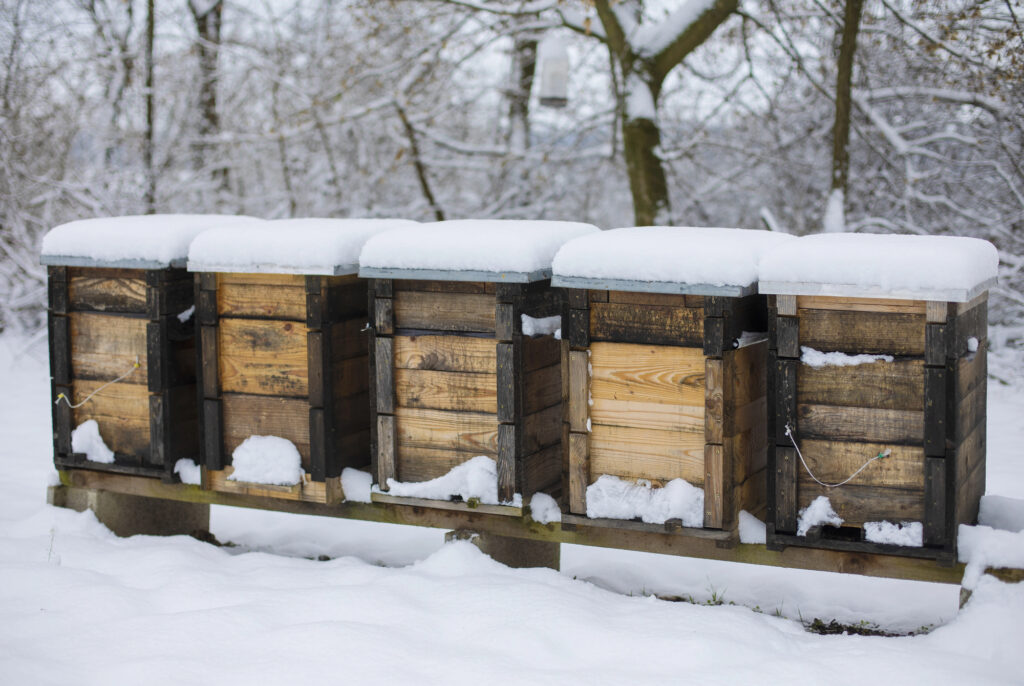
The Cluster
The cluster itself is the remarkable physical mechanism the colony uses. As it moves slowly through the hive to reach new stores and avoid cold spots, the bees maintain a core temperature around 90-95 °F (32-35 °C) near the brood, while the outer surface may be much cooler, still above critical levels.
Moisture and ventilation are also essential. If moisture from the bees’ respiration condenses inside the hive and drips on the cluster, it can chill the bees and harm them. Good ventilation, but reduced drafts are needed. The proper hive setup helps this balance.
When spring arrives, the colony begins to loosen the cluster. The queen increases egg laying, brood rearing resumes, and foraging starts again. The work done in winter, storage of honey, production of strong winter bees, and pest control sets the stage for spring growth.
Winter shapes the future strength of a bee colony in ways that are easy to miss from the outside. The quiet months decide how well the bees recover once the weather warms. Their cluster, their stored honey, and their ability to manage pests and moisture all work together to carry them through the cold. Studies continue to show how changing seasons and shifting climate patterns can place new pressure on colonies, making healthy winter bees more important than ever. When a hive reaches spring with steady numbers and enough energy left, the colony can grow quickly and return to its normal rhythm. Understanding what happens inside the hive during winter helps explain why this season plays such a major role in the year-round health of bees.
If you want to learn more about how to help pollinators, see this article on Leave the Leaves: Help Pollinators Survive Winter
🌿 Gear Up for a Bee-Friendly Garden
Contains affiliate links, for full disclosure, see FTC Disclosure, here.
Looking for tools that actually work?
We’ve pulled together our favorite picks for beekeeping, gardening, and pollinator-friendly seeds—everything you need to support bees and grow a thriving space.
Browse the full list on Amazon — all in one spot.