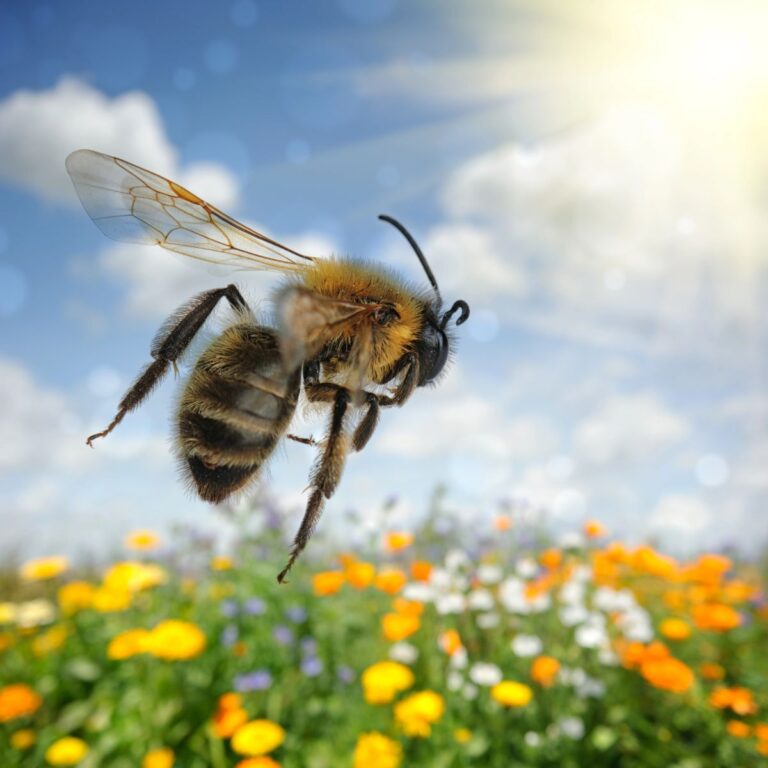
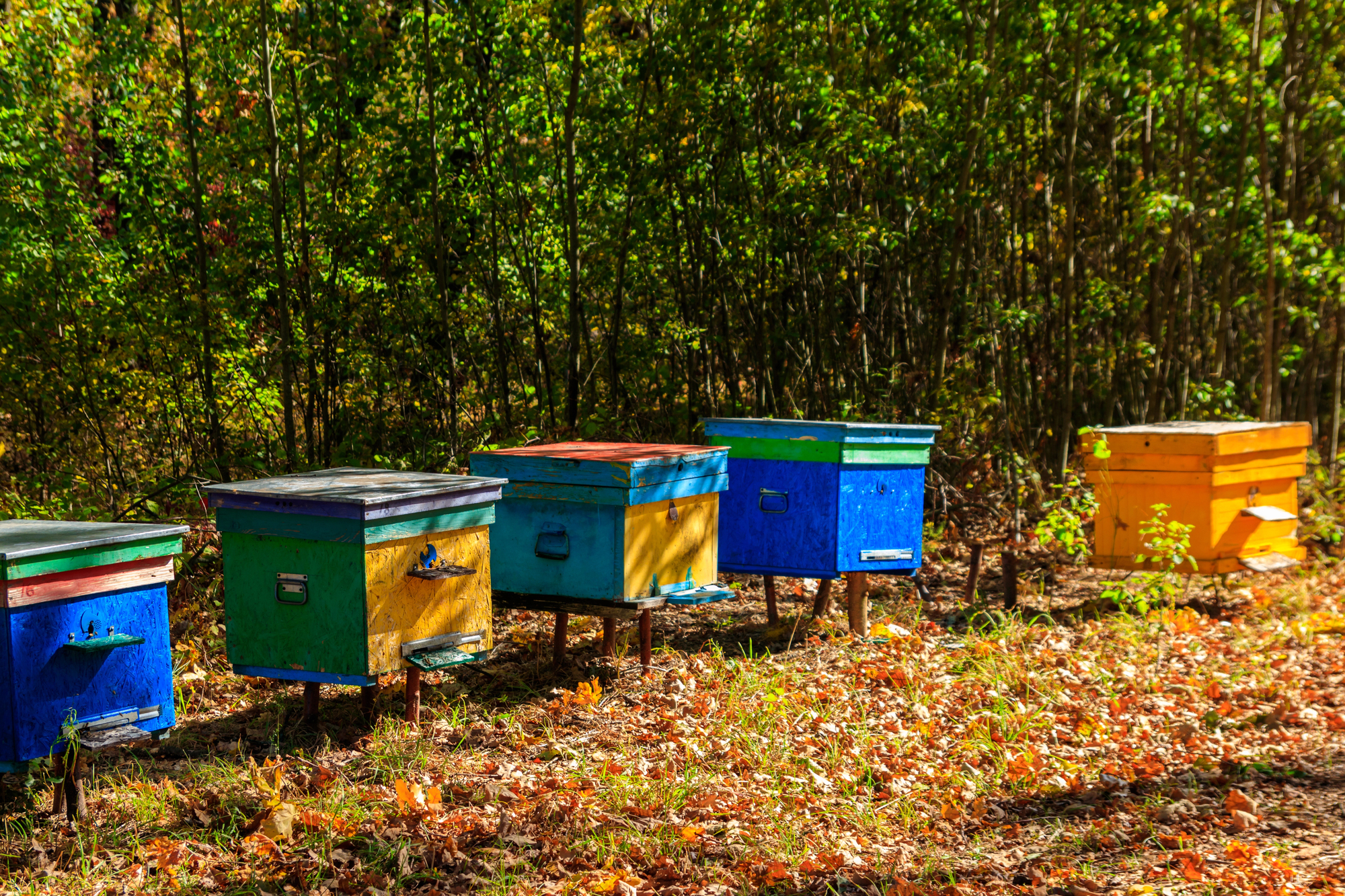
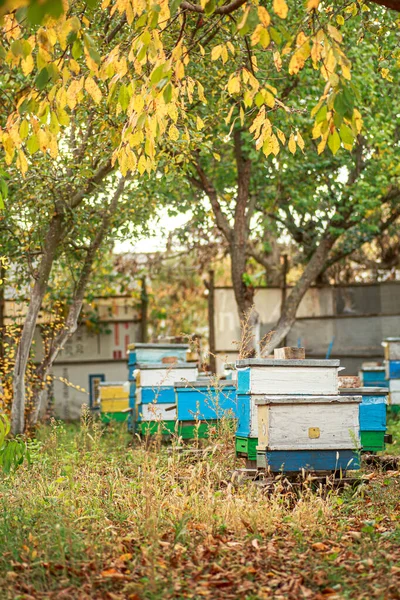
From the outside, a beehive can look quiet as temperatures drop. Inside, the colony is anything but idle. Autumn is when bees reorganize for survival. Every action, from conserving honey to evicting drones, helps prepare the hive for the long, cold months ahead.
The Summer Rush Slows Down
By early fall, the population inside a healthy hive may still number tens of thousands, but activity begins to shift. Worker bees stop raising drones, and the queen reduces egg laying. Instead of building comb or collecting nectar, the colony turns inward to protect the resources it already has.
Workers cap honey cells with wax to seal in their stores. They also bring in the last pollen of the season to feed the remaining brood. These workers will soon die, replaced by a tougher generation of long-lived “winter bees” whose role is to keep the colony alive until spring.
Evicting the Drones
Drones, the male bees, exist mainly to mate with queens from other colonies. Once mating season ends, they become a drain on food stores. Female workers drive them from the hive to conserve honey. It may seem harsh, but it is essential for the colony’s survival.
To read more about this behavior, see Bees in the Fall: Nature’s Most Ruthless Housekeepers.
Building the Winter Cluster
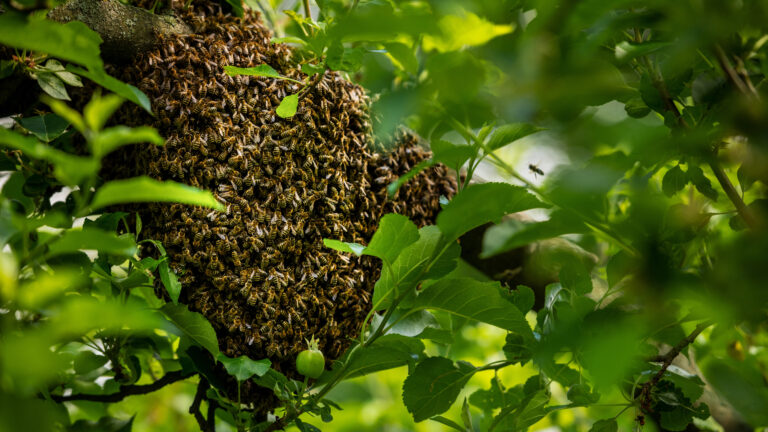
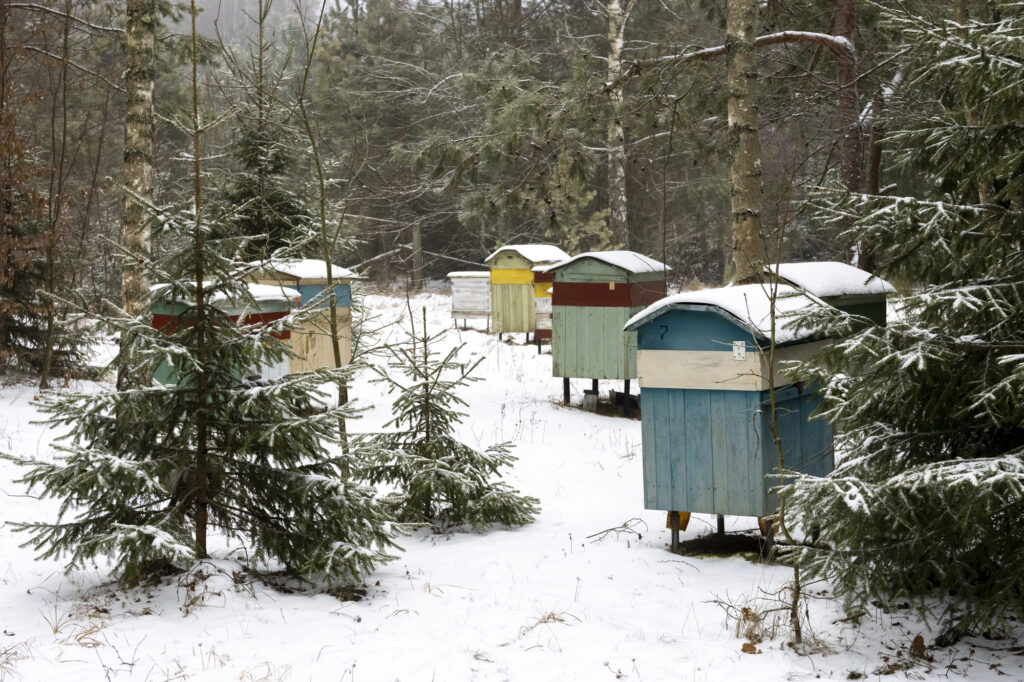
As nights cool, bees begin forming the winter cluster. Thousands of workers press together in a living sphere surrounding the queen. Those on the outer layer act as insulation, while those in the center vibrate their flight muscles to generate heat.
Even in freezing weather, the core of the cluster can stay close to 90°F. Bees take turns moving inward and outward, so no one bee remains chilled for long. Slowly, the cluster shifts across the combs, eating through stored honey as it goes.
Communication and Cooperation
Inside the dark hive, communication does not stop. Bees sense vibrations and pheromones to stay coordinated. Subtle temperature differences help them know when to tighten or loosen the cluster. This teamwork allows thousands of individuals to function as one superorganism, maintaining a steady microclimate despite the cold.
A microclimate is the small, controlled environment bees create inside the hive. Even when outdoor temperatures swing widely, the air around the queen and brood stays within a narrow range. By clustering tightly and generating heat, bees maintain a safe zone where moisture, temperature, and air flow are balanced for survival.
The Colony’s Energy Plan
A strong colony needs about 60 to 80 pounds of honey to make it through a northern winter. Worker bees ration their stores carefully. They seal cracks with propolis, a sticky resin that reduces drafts and acts as an antimicrobial barrier.
Ventilation is equally important. Bees fan their wings to control humidity, preventing moisture from dripping onto the cluster and freezing. The balance between heat retention and airflow can determine whether the colony survives until spring.
What Beekeepers Listen For
Experienced beekeepers often check hives by sound rather than sight once winter nears. Using a simple tube or stethoscope, they listen for a low, steady hum that signals a healthy cluster. Loud or erratic buzzing can mean the colony is stressed or disturbed.
They may also lift hives gently from the back to estimate honey weight, ensuring stores are sufficient. Heavy inspections are avoided because opening a hive in cold weather can cause dangerous heat loss.
Waiting for Spring
When daylight grows longer, the queen begins laying again. Brood cells appear near the warm center of the cluster, and bees start consuming more honey to fuel their activity. By the time the first willows or crocuses bloom, the colony is ready to expand.
The hive that looked lifeless all winter bursts back to life, and the cycle begins again.
Learn more in this article from Penn State, Honey Bee Management Throughout the Seasons, for more information about inside a hive in Autumn.
Signs of a Healthy Winter Hive
- Steady low hum: A consistent, gentle buzz means the cluster is active and the temperature is stable.
- Good hive weight: A full hive feels heavy when lifted slightly, showing the colony still has honey stores.
- No moisture buildup: Condensation on the inner cover or entrance can signal ventilation problems.
🌿 Gear Up for a Bee-Friendly Garden
Contains affiliate links, for full disclosure, see FTC Disclosure, here.
Looking for tools that actually work?
We’ve pulled together our favorite picks for beekeeping, gardening, and pollinator-friendly seeds—everything you need to support bees and grow a thriving space.
Browse the full list on Amazon — all in one spot.