

Some people think of fall as the time to wind the garden down, but for pollinators, it’s one of the most important seasons of the year. As bees, butterflies, and other insects prepare for winter, they search for the last flowers, safe shelter, and places to build next year’s nests. Turning your yard into a fall refuge helps them survive until spring and keeps your landscape buzzing with life for years to come.
In the 1980s, there was a big marketing slogan in the horticulture industry. “Fall is for Planting.” The goal was to extend the planting season and, of course, a garden center’s profits.
Don’t get me wrong, horticulturally speaking, it was and still is 100% true. Planting in the fall is often better than planting in the spring. The soil stays warm while the air cools, there is usually more moisture, and roots continue to grow until the ground freezes. Those unseen roots give plants a head start for next summer’s droughts.
There’s also less need for watering, which saves time and avoids chlorinated tap water that can stress new plantings. When spring arrives, there’s plenty of moisture to fuel growth before the heat sets in.
But today, Fall is for Planting can mean something more. Instead of planting only for curb appeal, we can plant to restore the balance between our yards and nature. The same conditions that help trees and shrubs establish roots also help native perennials, grasses, and groundcovers that feed pollinators long after the garden center season ends.
Why Fall Matters for Pollinators
A fall pollinator refuge starts with understanding timing. As bees, butterflies, and other insects prepare for winter, they need two things: energy and shelter. Late blooms provide the last bursts of nectar, while seed heads and leaf litter offer cover for overwintering.
When you plant in the fall, you give these species a foundation that will last for years. Root systems establish quickly, resulting in stronger plants and more flowers next spring. Many native plants sown in the fall also need cold exposure to germinate properly, so this season sets them up for success.
What to Plant
Choose native species that bloom into fall and provide both food and structure.
- Asters and goldenrod extend nectar supplies for late-flying bees and butterflies.
- Joe-Pye weed, bee balm, and rudbeckia provide both seed and nesting stems.
- Native grasses like little bluestem and switchgrass add movement and winter cover.
- Shrubs such as buttonbush, dogwood, and viburnum offer shelter and berries for birds.
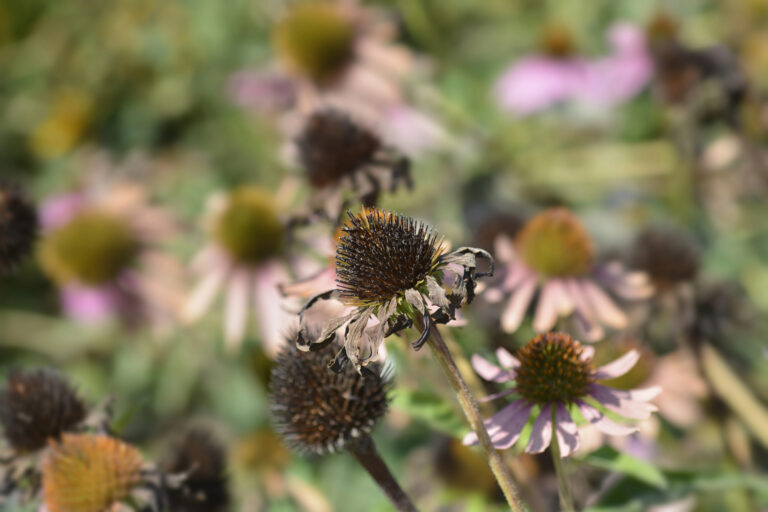
Mixing perennials and grasses builds a layered habitat that stays useful long after the flowers fade.
Leave a Little Mess
One of the easiest ways to turn your yard into a refuge is simply to do less. Resist the urge to cut everything down in the fall. Uncut stems, dry seed heads, and fallen leaves become homes for overwintering insects and natural mulch that protects soil life.
If you prefer a tidier look, dedicate one section of your yard as a “wild corner.” It can be small, but the impact is big. Even a few square feet of untouched habitat can support hundreds of beneficial insects through the cold months.
Leave the Leaves: Nature’s Insulation Layer
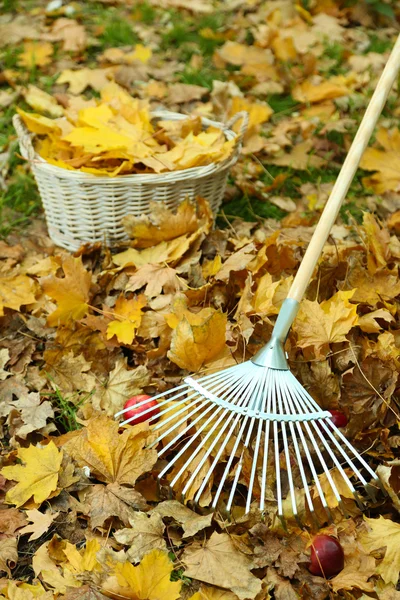
Raking every leaf used to be considered good garden hygiene, but fallen leaves are one of the most important parts of a healthy habitat. They form a protective layer that shelters countless species through winter. Butterflies, solitary bees, beetles, and even fireflies rely on leaf litter to stay safe until spring.
Instead of bagging them, let leaves stay in garden beds and under shrubs where they can break down naturally. They act as free mulch, keeping the soil moist and adding organic matter as they decompose. A few leaves on the lawn won’t harm your grass either; mowing them lightly helps return nutrients to the soil.
Leaving the leaves supports the entire web of life, from decomposers like millipedes and worms to pollinators waiting out the cold just beneath the surface. What looks like a pile of leaves is really next year’s garden coming to life.

Think Beyond Blooms
Refuge also means protection from chemicals, heavy mulching, and soil disturbance. Skip pesticides and herbicides whenever possible, especially in late fall when many pollinators are seeking shelter. A safe, undisturbed yard helps ensure that more species survive to emerge in spring.
Add a shallow water dish or leave a birdbath filled throughout the season. Pollinators and birds both benefit from access to clean water before freezes set in.
The New Meaning of Fall Is for Planting
Fall planting will always be good horticulture, but it can also be an act of stewardship. The same conditions that once helped gardeners establish shrubs and trees now help pollinators, birds, and soil life survive the winter ahead.
Back then, I sold “Fall is for Planting.” Now, I still believe it, but only this time, I plant for the bees.
Learn more about fall bees and fall pollinator gardens with our articles, Fall Seed Heads Worth Keeping for Birds and Bees and What Happens Inside a Hive in Autumn.
For additional reading, see the National Wildlife Federation article Forget Fall Cleanup- Fall Gardening Tips for Pollinators.
🌿 Gear Up for a Bee-Friendly Garden
Contains affiliate links, for full disclosure, see FTC Disclosure, here.
Looking for tools that actually work?
We’ve pulled together our favorite picks for beekeeping, gardening, and pollinator-friendly seeds—everything you need to support bees and grow a thriving space.
Browse the full list on Amazon — all in one spot.