

When fall arrives, many gardeners are tempted to clear everything away. But those fading flower stalks and seed heads still have a purpose. They feed birds, shelter pollinators, and keep the garden’s ecosystem alive long after the blooms are gone. Leaving a few plants standing through winter turns your garden into a haven when food and shelter are hardest to find.
Why Seed Heads Matter
Each seed head is a miniature habitat. The dry flower heads that once fed bees and butterflies now feed finches, chickadees, sparrows, and other seed-eating birds. Beneath the snow, insects overwinter inside the hollow stems, waiting for warm weather to return. By skipping the fall cutback, you give both birds and pollinators what they need most: food and protection.
Food for Birds All Winter
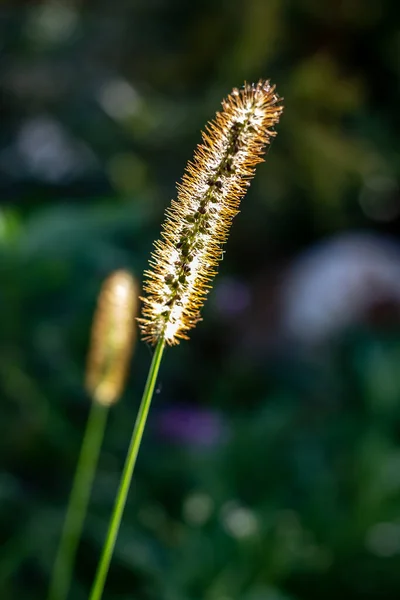
Native birds depend on seed heads through winter when insects and fruits are scarce. Goldfinches pull seeds from coneflowers, sparrows peck at rudbeckia, and juncos cling to tall grasses to reach the remaining seeds. These natural sources offer more than calories. They contain fats and proteins that help birds survive the cold.
Seed heads also create perches and cover. Tall stems break the wind and give small birds safe places to rest. Even snow-covered stalks continue to serve a purpose by trapping seeds that might otherwise blow away.
Shelter for Pollinators
Many solitary bees, beetles, and small wasps spend the cold months tucked inside dry stems. Some seal themselves inside with mud or leaf fragments. Others spin cocoons that blend perfectly with the stem’s interior. When temperatures rise, they emerge to pollinate the garden’s first blooms.
Leaving hollow or pithy stems standing through winter supports these insects year after year. The practice is simple, but it has a measurable impact on local biodiversity.
The Hidden Life Within Seed Heads
What looks lifeless in winter is often full of activity. Lady beetles and lacewing larvae hide among the dry clusters, feeding on tiny insect eggs that would otherwise hatch in spring. Spiders attach their egg sacs to sturdy stems, and cocoons cling beneath seed heads where snow provides insulation.
Each stalk holds a microhabitat for dozens of species. By leaving those stems standing, you protect the insects that pollinate your garden, feed birds, and keep pest populations in check. These quiet survivors ensure your garden’s food web stays balanced through every season.
The Underground Benefits of Leaving Seed Heads
When seed heads and stems break down, they do more than feed wildlife above the surface. They also feed life below it. As stems decay, they return organic matter to the soil, enriching it with nutrients that support fungi, bacteria, and decomposers such as beetles and worms.
This slow release of nutrients builds healthier soil structure, improving water retention and root growth. A thriving soil community also helps store carbon, which supports long-term ecosystem stability.
Each uncut stem becomes part of a natural recycling system. By letting plants decompose in place, gardeners create a self-sustaining loop that nourishes both the next generation of flowers and the pollinators that depend on them.
Native Seed Heads to Leave Standing
Below are a few native plants that serve both birds and bees through the cold season.
Purple Coneflower (Echinacea purpurea) – Goldfinches love its spiky seed heads, and the rigid stems remain standing into winter.

Black-Eyed Susan (Rudbeckia hirta) – Seed heads stay intact well into early spring, offering food long after other sources disappear.
Joe-Pye Weed (Eutrochium purpureum) – Hollow stems become nesting tubes for small bees and shelter for overwintering insects.
Bee Balm (Monarda fistulosa) – The round seed heads attract chickadees, while the sturdy stalks shelter leafcutter bees.
Goldenrod (Solidago spp.) – Provides both seed and habitat; its tall stems often house gall-forming insects that birds later eat.
Blazing Star (Liatris spicata) – Upright stalks hold seed heads above the snow, easy for finches to find.

Asters (Symphyotrichum spp.) – The final food source of the year for many birds and butterflies.
When to Cut Them Back
Wait until late winter or early spring to remove old stems. By then, most overwintering insects have emerged, and birds have eaten the remaining seeds. Cutting everything too soon eliminates both shelter and food.
When trimming, leave about 12 to 18 inches of stalk. Many native bees reuse these hollow stems for nesting the following season.
Easy Ways to Keep the Garden Tidy
You can support wildlife and still keep a neat garden. Group seed-bearing plants in one area or along a fence line. Leave that section standing through winter while cutting back the rest. This balance keeps your yard attractive while maintaining valuable habitat.
A Living Garden Through Winter
A garden filled with dried stalks may look empty, but it remains full of life. Beneath the frost, bees rest inside hollow stems, and above them, finches pick at seed heads dusted with snow. Leaving part of your garden untouched through winter helps both birds and pollinators survive until spring returns.
Learn more about Leaving Leaves and Flowers Stalks for Wildlife in this University of New Hampshire article.
Want to learn about What Happens in a Hive in the Fall? This article has lots of information.
🌿 Gear Up for a Bee-Friendly Garden
Contains affiliate links, for full disclosure, see FTC Disclosure, here.
Looking for tools that actually work?
We’ve pulled together our favorite picks for beekeeping, gardening, and pollinator-friendly seeds—everything you need to support bees and grow a thriving space.
Browse the full list on Amazon — all in one spot.