
Not sure what to plant in April? This is the time to set the stage for a pollinator-friendly season. From early vegetables to hardy flowers, here’s what to start now so your garden supports bees and blooms all season.
April marks the start of true spring in the Northeast. Trees bud out, bulbs open up, and pollinators are officially back on the move. These 12 plants help bridge the early-season gap, feeding native bees, flies, and butterflies until the bigger blooms of May arrive.
Willow (Salix spp.)

Willows provide nectar and pollen through their fuzzy catkins. They bloom early and support a wide range of bees and butterflies.
Salix discolor. I earn a commission if you buy through these affiliate links, at no extra cost to you.
Red Maple (Acer rubrum)
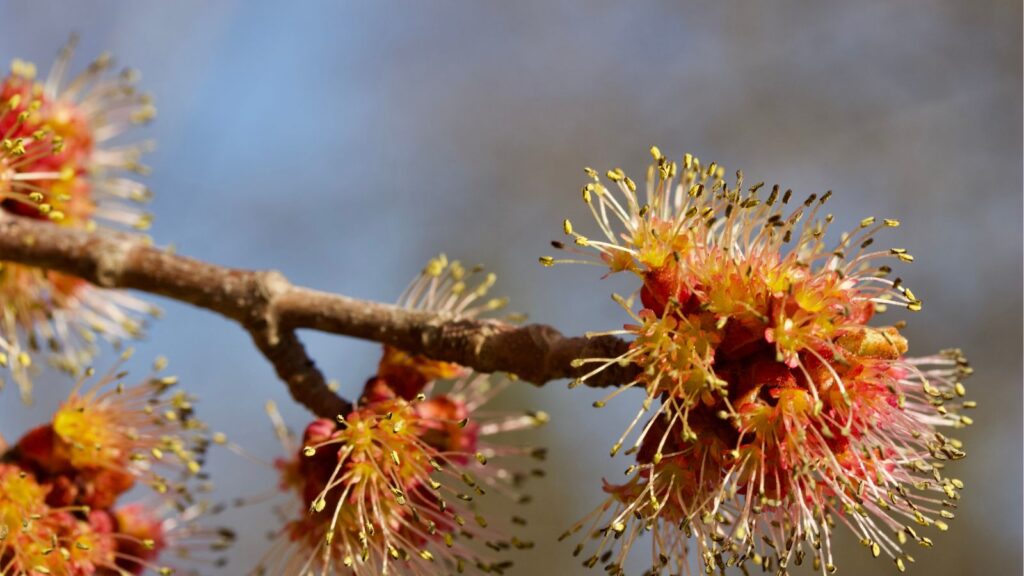
This native tree flowers before it leafs out, offering bright red blooms rich in pollen that attract early bees and beetles.
Acer rubrum.
Bloodroot (Sanguinaria canadensis)

This native woodland wildflower produces delicate white flowers and blooms for just a few days. It’s an early favorite for native bees.
Sanguinaria canadensis.
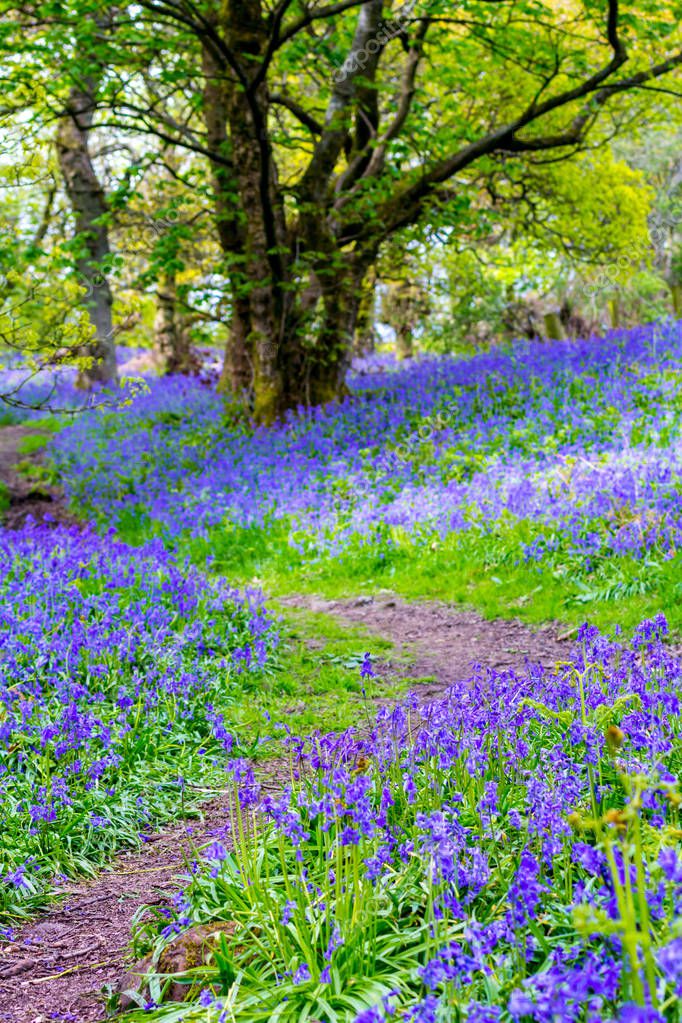
Virginia Bluebells (Mertensia virginica)

These funnel-shaped flowers shift from pink to blue and are excellent nectar sources for bumble bees and butterflies.
Mertensia virginica.
Dandelion (Taraxacum officinale)

Often dismissed as a weed, dandelions are among the most accessible food sources for bees emerging from hibernation.
Taraxacum officinale
Lungwort (Pulmonaria spp.)

One of the earliest perennials to bloom in shade, lungwort draws in bees with its multi-colored flowers and long bloom time.
Pulmonaria spp.
Trout Lily (Erythronium americanum)

These native spring ephemerals carpet forest floors in April and are visited by early solitary bees and flies.
Erythronium americanum
Siberian Squill (Scilla siberica)

Low-growing and early, squill offers a burst of blue flowers that provide early nectar to bees and other insects.
Scilla siberica
Spicebush (Lindera benzoin)

This native shrub blooms before leaf-out and supports bees as well as spicebush swallowtail butterflies later in the season.
Lindera benzoin
Birch (Betula sp.)

Birch trees are early-blooming deciduous trees found across much of North America. Their catkin flowers release pollen in early spring, offering an important food source for native bees emerging from dormancy.
Betula nigra.
Columbine (Aquilegia canadensis)

This native wildflower is a favorite of hummingbirds and long-tongued bees. It blooms toward the end of April in many zones.
Aquilegia spp.
Pussytoes (Antennaria spp.)

This low, fuzzy native wildflower blooms in April and supports spring-flying butterflies and a small native bee.
Antennaria spp
Need ideas for what flowers to add this season? Our bee seeds and plants list covers great options for every time of year. And learn about the Earliest Bloomers in the Northeast.
Contains affiliate links, for full disclosure, see FTC Disclosure, here.
🌿 Gear Up for a Bee-Friendly Garden
Contains affiliate links, for full disclosure, see FTC Disclosure, here.
Looking for tools that actually work?
We’ve pulled together our favorite picks for beekeeping, gardening, and pollinator-friendly seeds—everything you need to support bees and grow a thriving space.
Browse the full list on Amazon — all in one spot.