Fall cleanup is essential for keeping your garden healthy, but too much tidying can do more harm than good. Pollinator-friendly fall garden cleanup is easy to do, once you know what works. Many pollinators spend winter right in your yard, tucked into stems, buried in soil, or hiding under leaves. A careful cleanup keeps diseases away while giving bees, butterflies, and other beneficial insects the shelter they need until spring.
What to Cut Back for Plant Health
A few plants really do need cutting back before winter sets in. Focus on removing anything that could spread disease or pests next season. Generally, you want to do these things for the entire garden.
- Trim and remove leaves with mildew, rust, or black spots.
- Pull out annuals that are finished and won’t self-seed.
- Cut back perennials showing rot or fungal damage.
- Compost healthy material, but bag diseased clippings instead of reusing them.
Leave strong, healthy seedheads like coneflowers, rudbeckia, and asters in place. They not only look pretty dusted with frost but also feed songbirds through winter and reseed naturally when spring arrives.
Cut Back Plants That Will Benefit the Whole Garden’s Health
Specific plants that benefit from fall maintenance are:
- Bee balm (Monarda) – prone to powdery mildew; cut to the ground after frost.
- Hosta – leaves turn mushy and can harbor slugs; remove once they yellow.
- Peony – foliage often carries botrytis; cut back to a few inches above the soil.
- Iris – trim leaves to 4–6 inches to reduce iris borer and fungal issues.
- Lily (Lilium) – remove spent stalks to prevent botrytis and stem rot.
- Phlox (Phlox paniculata) – powdery mildew magnet; cut to soil level, unless you have one of the few varieties that are not susceptible to mildew.
- Daylily (Hemerocallis) – cut back foliage after frost to discourage pests,
- Coreopsis – tidy up spent growth to prevent self-seeding and mildew.
What to Leave for Pollinators
Pollinators depend on what’s left standing. Hollow stems, fallen leaves, and even patches of bare soil give them a safe spot to overwinter.
- Cut perennial stems to about 8–12 inches tall. The hollow cores make perfect nesting tubes for stem-nesting bees.
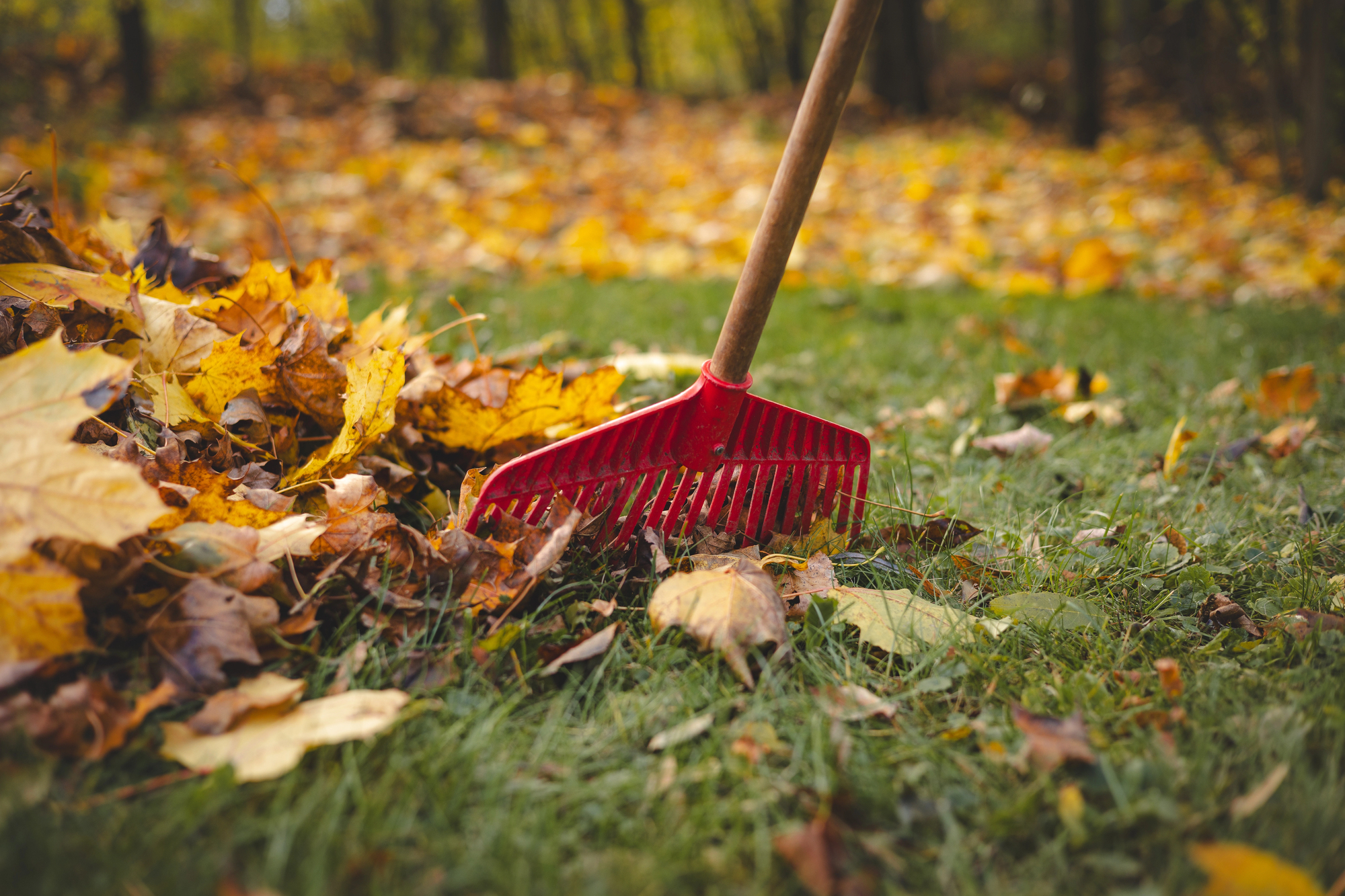
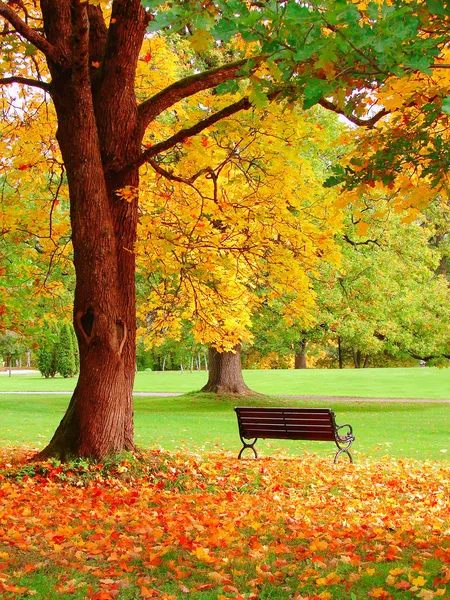
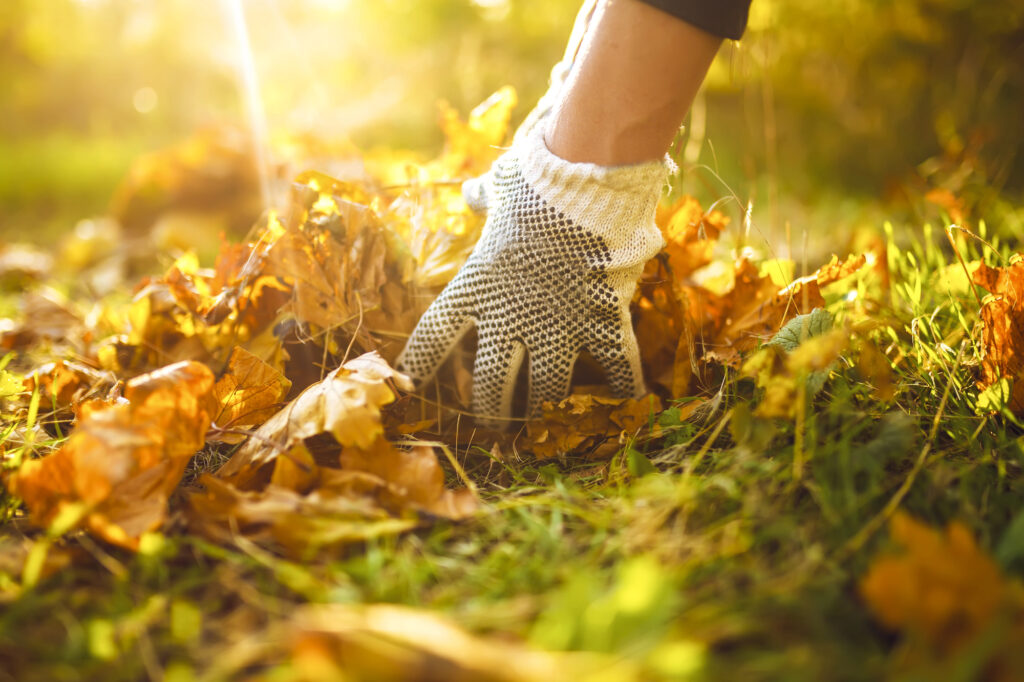
- Skip raking under shrubs and trees. Many butterflies and moths overwinter in leaf litter at the base of plants.
- Keep some undisturbed soil for ground-nesting bees. Even small patches make a difference.
- If you prefer a tidier look, gather cut stems and leaves into one “wild corner” where pollinators can stay protected.
These simple steps transform your yard into a year-round haven for beneficial insects without making it look unkempt.
Dealing With Invasive or Aggressive Species
Fall is the right time to cut back invasive plants before they drop their seeds. Removing them now prevents bigger problems next year.
- Cut or pull plants like bird’s-foot trefoil and spotted knapweed before seed pods dry.
- Toss the seedheads in the trash rather than composting.
- After clearing an area, add a light layer of mulch or leaf litter to protect the soil from erosion until spring.
This helps protect both your native plants and the wildlife that depends on them.
Preparing for Next Spring
A few fall habits make spring easier and help you remember where pollinators are resting.
- Mark areas with overwintering material so you don’t disturb them during early spring cleanup.
- Clean and sharpen tools before storing them for winter.
- Once the ground starts to freeze, spread a light layer of compost or mulch to protect roots and add nutrients.
- Make a quick note of which plants bloomed longest and drew in the most bees. That list will come in handy when planning next year’s garden.
The Bottom Line
A pollinator-friendly garden cleanup is about balance. You’re not skipping maintenance, just adjusting it to support life through the colder months. Leaving stems and leaves in the right places keeps beneficial insects safe while healthy plants rest and rebuild. When spring returns, your yard will thrive and support all of the bees, butterflies and native pollinators.
For more information on the fascinating world of pollinators, see our article for the Ultimate Guide to Bee-friendly living.
🌿 Gear Up for a Bee-Friendly Garden
Contains affiliate links, for full disclosure, see FTC Disclosure, here.
Looking for tools that actually work?
We’ve pulled together our favorite picks for beekeeping, gardening, and pollinator-friendly seeds—everything you need to support bees and grow a thriving space.
Browse the full list on Amazon — all in one spot.