Real Christmas trees do more than bring a natural scent indoors. Tree farms often support insects and wildlife long before the trees are harvested, and the branches can continue to offer small benefits once the holidays end. Even in deep winter, when temperatures stay too low for insect activity, the habitat created by these farms matters for pollinators during the growing season.
Tree Farms Function as Seasonal Habitat
Many Christmas tree farms are planted in rows with open patches of soil, grass, and wildflowers between them. These areas support ground-nesting bees, hoverflies, moths, and other beneficial insects. Spring and summer vegetation between the trees provides nectar and pollen, while the trees themselves create windbreaks and shaded pockets that insects use to rest.
Some farms also avoid mowing every section at the same time. This leaves small patches of clover, aster, goldenrod, and other wild plants that help fill bloom gaps. These seasonal nectar sources support early bees in spring and late foragers in fall.
Christmas Trees Do Not Release Insects Indoors
A common concern is that real trees bring bugs inside the house. In reality, insects that are active during warm months are not active at freezing temperatures. Most overwintering insects are deep in the soil, in stems, or in protected leaf piles. Trees harvested for the holidays have already been exposed to cold conditions, so they do not carry active pollinators. This makes real trees a safe choice for winter decorating while still supporting habitats year-round.
How to Use Your Tree After the Holidays
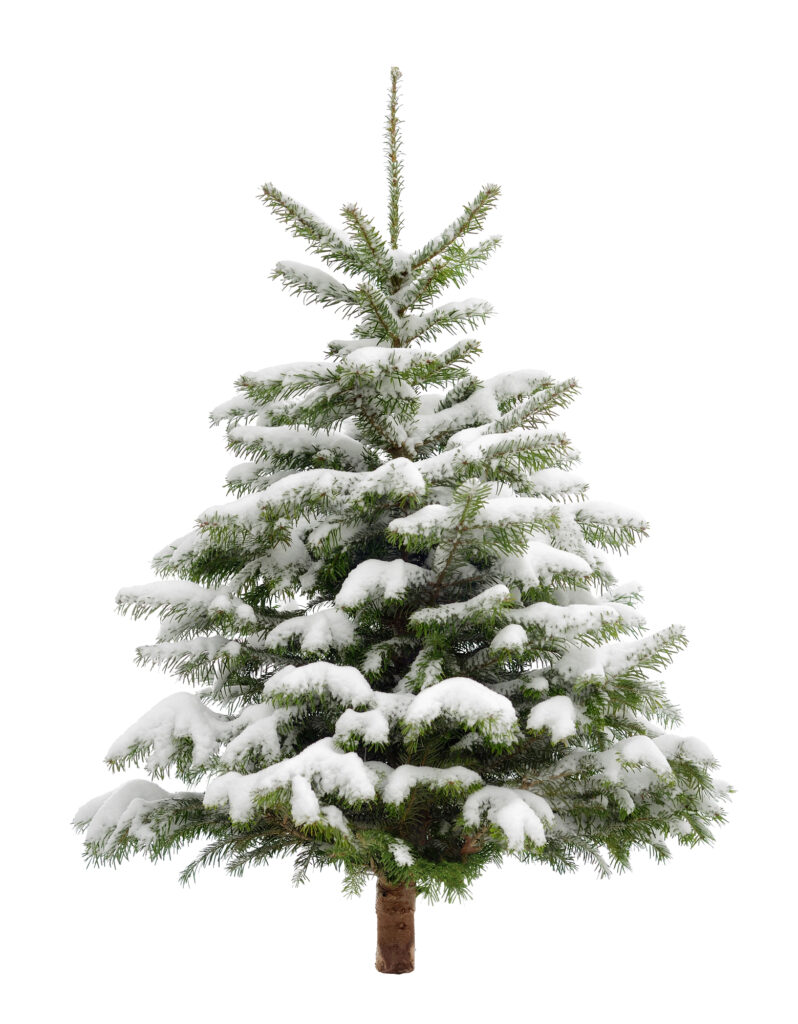
Even though it is too cold for insects to wake up now, your tree can still serve a purpose once you are done with it. Placing it outside creates shelter for overwintering wildlife. Branches break the wind, trap blowing leaves, and build pockets of still air that small insects and birds use to stay protected. As the tree dries out, needles fall and form a thin mulch layer that protects soil from temperature swings.
If you trim the branches, you can scatter them around garden beds. These pieces slow down snowmelt, help hold leaves in place, and provide cover for dormant native bees and other insects. The trunk can be chipped, composted, or cut into sections for natural edging. Every part can be reused in a way that supports habitat without attracting pests.
Why This Matters for Pollinators
Pollinators depend on habitat structure even when they are not active. Winter cover protects the next season’s populations. Christmas tree farms play a role by keeping fields open and mixed with diverse plants. Reusing your tree outdoors extends that value in a small way. These steps provide shelter until temperatures rise and insects begin to forage again.
Even in the coldest parts of winter, your choices can support the systems that pollinators rely on throughout the rest of the year.
Want to learn more about how to help pollinators this winter? See our post A Simple Look at Overwintering Plants and Pollinator Health
🌿 Gear Up for a Bee-Friendly Garden
Contains affiliate links, for full disclosure, see FTC Disclosure, here.
Looking for tools that actually work?
We’ve pulled together our favorite picks for beekeeping, gardening, and pollinator-friendly seeds—everything you need to support bees and grow a thriving space.
Browse the full list on Amazon — all in one spot.